





The Unbreachable Container
The single-location story, known in television as a "bottle episode," is a deliberate choice to amplify tension. By removing the possibility of escape, a screenwriter immediately establishes life-or-death stakes. There’s no running to the neighbors, no flagging
down a passing car. The characters must confront the threat—and each other—within the confines of the same four walls. This forced proximity turns the setting into a psychological battleground where every slammed door and creaking floorboard heightens the claustrophobia. The narrative becomes less about where the characters can go and more about how they can survive right where they are, making the audience feel just as trapped.
Every Floorboard a Threat
In a contained horror film, the location isn't just a backdrop; it becomes a character in its own right, and often an antagonist. An ordinary home, a place of supposed safety, is twisted into something menacing. A rattling pipe isn't just a plumbing issue; it’s a potential sign of an intruder. The familiar becomes foreign and threatening. This technique forces both the characters and the audience to re-evaluate their surroundings. Think of the isolated cabin in "The Evil Dead" or the desolate Antarctic research station in "The Thing"; the environment itself is an active participant in the horror, offering both potential weapons and inescapable dangers. A good writer weaponizes the mundane, turning a kitchen knife, a fireplace poker, or a child’s toy into an instrument of terror.
No Room for Secrets
When you lock a group of people in a room, you strip away their social masks. The pressure-cooker environment forces secrets, resentments, and true personalities to the surface. This is the engine of character development in a contained story. A hero’s bravery is tested, a coward’s weakness is exposed, and the quiet one might reveal an unexpected strength. Writers use this confinement to explore what happens when people can't walk away from their problems—or each other. Suddenly, the interpersonal drama becomes as dangerous as the monster outside. The conflict isn't just about survival, but about whether the group will implode from suspicion and paranoia before the external threat even gets to them.
Why Halloween Works Best
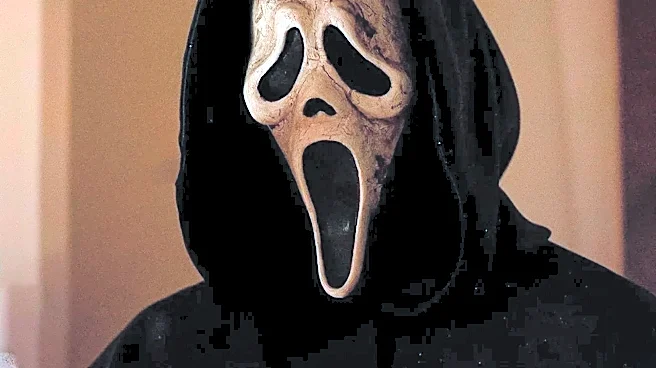
Setting this contained nightmare on Halloween adds another layer of potent symbolism and practical storytelling advantages. The holiday provides a built-in excuse for isolation; most people are either at parties or holed up at home, ignoring the doorbell. It’s a night where masks are expected, blurring the line between friend and foe, and where spooky decorations can easily become real threats. The very atmosphere of Halloween—a time when the veil between worlds is supposedly thin—primes the audience for the supernatural and the macabre. A story set on this night doesn't have to work as hard to establish a scary mood; the cultural context does half the work. The holiday essentially gives the screenwriter a narrative shorthand for fear.