




The Allure of the Velvet Rope
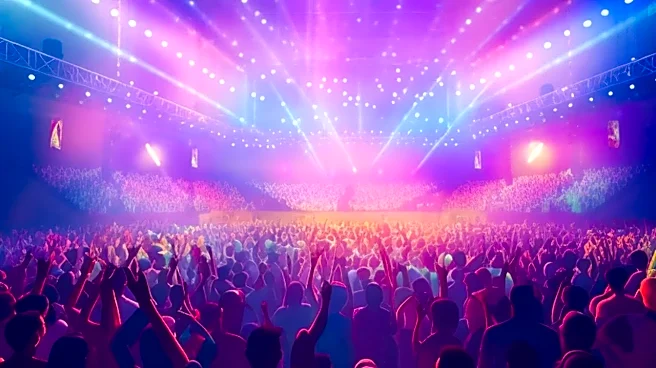
Las Vegas nightlife is a masterclass in manufactured desire. The ecosystem of the megaclub is built on tiered access, where the best experience is explicitly for sale. At clubs like XS, Omnia, and Hakkasan, the ultimate prize is not just entry but a VIP
table. This isn't just a place to sit; it's a statement of status. Table minimums, the amount a group must spend on alcohol, can start at $1,500 or $2,000 on a standard weekend and skyrocket into five figures for a prime location on a holiday or with a headliner DJ. For this price, you get a private space, a dedicated server, and the ability to bypass the crowded bar. But what you’re really buying is visibility and exclusion. The velvet rope separates the general admission crowd from those who can afford a domain of their own, creating a spectacle where economic power is the main event. It’s a culture of consumption as participation, where your value is tied to your spending.
The Promise of Radical Inclusion
About 450 miles northwest, another city rises from the dust with a completely opposite ethos. Burning Man operates on ten core principles, including “radical inclusion,” “gifting,” and, most crucially, “decommodification.” From its origins as a small bonfire on a San Francisco beach, the event was designed as an environment unmediated by commercialism. There are no brands, no sponsorships, and no cash transactions (with minor exceptions like ice and coffee). Instead of buying drinks, you receive them as gifts from other participants in a vast, open-air gift economy. Status is not derived from wealth but from participation and creativity—the art you build, the experiences you offer, the effort you contribute to the temporary city. Where Vegas builds walls between its guests, Burning Man is founded on the idea of breaking them down, encouraging immediate, authentic connection.
When Worlds Collide
Despite their philosophical gulf, the lines between these two worlds are blurring. Critics of Burning Man point to the rise of so-called “plug-and-play” or “turnkey” camps, where wealthy attendees can pay tens of thousands of dollars for a luxury RV, meals, and staff, effectively importing a VIP experience into a culture designed to reject it. This has sparked intense debate within the community about whether the event is losing its decommodified soul. Simultaneously, Las Vegas has noticed the appeal of Burning Man's participatory art. The city, particularly downtown, has begun integrating large-scale, interactive art installations reminiscent of those found on the playa, suggesting a recognition that modern spectacle requires more than just passive consumption. It seems each world has something the other desires: Burning Man’s authentic, participatory spirit is a currency that money wants to buy, while Vegas’s infrastructure and resources provide a canvas for spectacle that artists can use.
Two Models of Transcendence
At their core, both Las Vegas nightlife and Burning Man are selling a form of transcendence—a break from the mundane reality of everyday life. They are both deliberately constructed fantasies in the middle of the desert. The fundamental difference lies in how they propose you achieve it. Las Vegas offers transcendence through consumption. By spending enough money, you can become a VIP, elevated above the masses and catered to like royalty. It is an individualistic fantasy, achieved by separating yourself from the crowd. Burning Man offers transcendence through contribution. By participating, creating, and gifting, you become part of a collective effort, achieving a sense of belonging and communal joy. It is a collective fantasy, achieved by integrating yourself fully into the community. One model says, “You are special because you can afford to be separate.” The other says, “You are special because you choose to be a part.”