







The Era of Oils and Hopeful Thinking
For much of the 20th century, the approach to stretch marks was more ritual than remedy. From ancient Greeks using olive oil to modern mothers slathering on cocoa butter, the solutions were rooted in hydration and hope. These products, containing ingredients
like shea butter and vitamin E, felt nourishing and became a staple in bathrooms everywhere. They made skin feel softer and more comfortable, but they did little to address the underlying issue. Stretch marks, or striae, are scars that form in the dermis—the skin's middle layer—when it tears due to rapid stretching. Simply moisturizing the surface couldn't repair that deep structural damage. As a result, consumers grew accustomed to products that promised the world but delivered very little, creating a cycle of trial, expense, and disappointment.
The Clinical Breakthroughs That Changed Everything
The real revolution began not on store shelves, but in dermatology clinics. Researchers identified the key to improving stretch marks: stimulating the production of collagen and elastin, the proteins that give skin its structure and elasticity. This led to three major advancements. First came topical retinoids, like prescription tretinoin. Derived from vitamin A, these compounds were shown to speed up cell turnover and, crucially, signal the skin to rebuild its own collagen. This was particularly effective on newer, reddish stretch marks (striae rubrae). Then came energy-based treatments. Procedures like fractional laser therapy and microneedling created controlled micro-injuries in the skin. This process triggers the body's natural healing response, prompting it to generate fresh collagen and remodel the scarred tissue from within. For the first time, there were proven, science-backed methods that could visibly reduce the appearance of even older, white stretch marks (striae albae).
From the Doctor's Office to Your Vanity
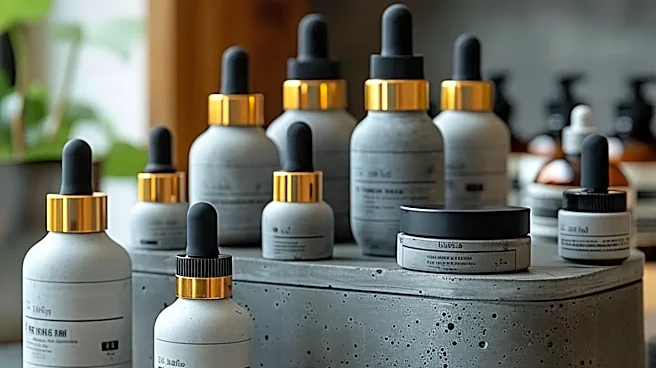
Innovation rarely stays locked in a clinic. As the effectiveness of retinoids and collagen-stimulating procedures became clear, the mass-market skincare industry took notice. The focus shifted from basic moisturization to active, science-led formulations. Brands began incorporating ingredients like retinol (an over-the-counter retinoid), hyaluronic acid, and peptides into their stretch mark creams. The language on the packaging changed, too. It was no longer just about “cocoa butter softness” but about “collagen support,” “improving elasticity,” and “clinically proven ingredients.” This shift created a new, premium category of body care—products that borrowed their philosophy from high-tech facial serums. The global market for anti-stretch mark products grew into a multi-billion dollar industry, driven by consumer demand for solutions that actually worked.
How One Problem Raised the Bar for All Skincare
The successful tackling of stretch marks had a powerful ripple effect across the entire skincare landscape. Consumers, having seen that a notoriously stubborn problem could be improved with the right science, began to demand more from all their products. If a cream could visibly fade a scar, why couldn't a serum deliver real results on wrinkles or hyperpigmentation? This elevated expectation pushed the industry as a whole toward greater transparency and efficacy. Brands were pressured to invest in research, use active ingredients at meaningful concentrations, and provide evidence for their claims. The body care aisle, once an afterthought filled with simple lotions, started to look more like the face care aisle: sophisticated, targeted, and results-driven. The quest to fade stretch marks forced the beauty world to grow up, trading vague promises for tangible, science-backed performance.