

1. The Constant Color
The simplest way to tie worlds together is with color. Imagine a story where a deep, melancholic blue defines the cold, lonely space timeline. By seeding that same blue into the past—a character's childhood blanket, a rare flower, the evening sky—a filmmaker
creates an emotional throughline. The color becomes a symbol of an inescapable destiny or a persistent memory, linking the character's origin to their ultimate fate in the stars. It's a subconscious anchor that makes disparate scenes feel part of the same soul.
2. Echoing Architecture
This one is about finding patterns in the environment. The elegant, curving branches of an ancient tree in the past can be mirrored in the sweeping, structural supports of a space station in the future. A cramped, rectangular childhood room can echo the claustrophobic dimensions of a spaceship cabin. This technique suggests that no matter how much technology or time changes our surroundings, fundamental human experiences—feeling sheltered, feeling trapped—remain the same. It’s a powerful, non-verbal way to comment on the story's core themes.
3. A Shared Symbolic Object
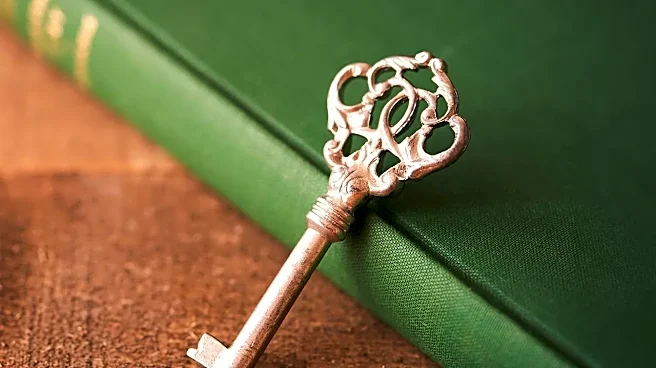
This is a classic for a reason. An object—a worn wooden toy, a simple compass, a piece of jewelry—that appears in both timelines serves as a direct, tangible link. In the past, it represents innocence or a promise. In the future, that same object, now weathered and aged, becomes a symbol of loss, hope, or a burden carried across decades. Each time it appears, it accumulates more emotional weight, transforming from a simple prop into a cornerstone of the character's journey.
4. Light and Lens Flares
Light is pure emotion. A specific quality of light can unify wildly different settings. For instance, the soft, golden-hour sunlight filtering through trees in a flashback can be recreated artificially in the future timeline via a ship’s interior lighting system during a moment of peace or nostalgia. A distinct, sharp lens flare could punctuate moments of shocking revelation in both the past and the future, teaching the audience to associate that specific visual artifact with narrative turning points.
5. Reflections and Surfaces
Mirrors and reflections are often used to explore a character’s duality. This can be expanded across timelines. In the past, a character might see their youthful face in a clear pond. In the future, they see their older, wearier face reflected in the polished chrome of a control panel or the glass of their helmet. These matching shots create a conversation between the character’s two selves, highlighting the journey, the cost of their choices, and the person they’ve become.
6. Juxtaposed Textures
Connecting timelines can also be about contrast. Consistently showing the textures of the past—rough-hewn wood, soft soil, coarse fabrics—and contrasting them with the sleek, cold, and unyielding surfaces of the future—metal, glass, hard plastics—creates a sensory narrative. When a character in space touches a rare, organic object, the memory of those past textures is invoked. This makes themes of nature vs. technology, or authenticity vs. artificiality, something the audience can almost feel.
7. The Match Cut
A match cut is a transition between two shots that are linked by a similar shape or movement. Think of the bone turning into a spaceship in 2001: A Space Odyssey. This technique can create a stunning bridge between a story's timelines. A hand reaching for a piece of fruit in the past could cut to a hand reaching for a control lever in the future. A character falling into water could cut to them floating in zero gravity. It’s a bold, intellectual edit that forges a direct, often metaphorical, connection.
8. Overlapping Geometric Shapes
Nature and technology are full of repeating patterns. The spiral of a seashell in the past can be echoed in the spiral galaxy on a star chart in the future. The branching patterns of a frost-covered window from a character’s childhood home can reappear in the circuitry of their spaceship’s computer. These recurring geometries suggest a universal order or an inescapable design, hinting that the laws governing a simple life on Earth are the same ones that govern a complex life in space.
9. Atmospheric Elements
Weather and atmosphere are storytelling gold. The gentle rain of a spring shower in a flashback can be mirrored by the sterile, recycled water misting over hydroponic plants on a starship. The dense fog that obscured a childhood secret could be visually rhymed with the cosmic gas of a nebula that hides a destination in the future. These atmospheric echoes tie moments of uncertainty, cleansing, or foreboding together, no matter how many light-years separate them.
10. Costuming Threads
A character’s clothing tells a story. Unifying timelines can be as simple as a recurring detail in the wardrobe. The hand-stitched patch on a childhood jacket could have its design replicated in the insignia on a futuristic uniform. The color of a loved one's dress in a memory could become the color of the ship's warning lights. These details provide a subtle but constant reminder of the past, suggesting that everything a character was continues to inform who they are now.