




The Character Is King
At NYCC 2026, the evidence for individual character devotion is everywhere. The convention's 20th anniversary celebration has a distinct 'Coney Island' theme, encouraging creative, retro takes on classic heroes. Cosplayers have responded not by wearing
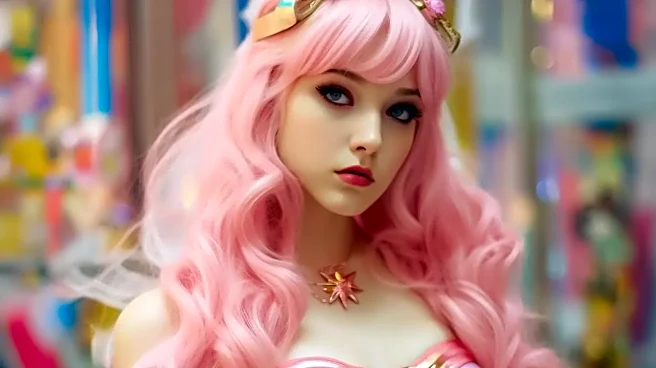
the latest official movie costumes, but by creating personalized variants: steampunk Batmen, 1940s-era Captain Americas, and gothic Wonder Women. This isn't just about dressing up; it's a form of personal expression, a testament to a deep connection with a character's core idea, not necessarily their latest corporate-approved storyline. Artist Alley, the heart of any comic con, confirms this trend. The longest lines are often for artists known for their definitive runs on specific characters. Fans want a sketch of that artist's Wolverine or that writer's signature on a key Superman issue, demonstrating an allegiance to creators and their interpretations over the publisher's broader cinematic or comic universe.
Franchise Loyalty Is Faltering
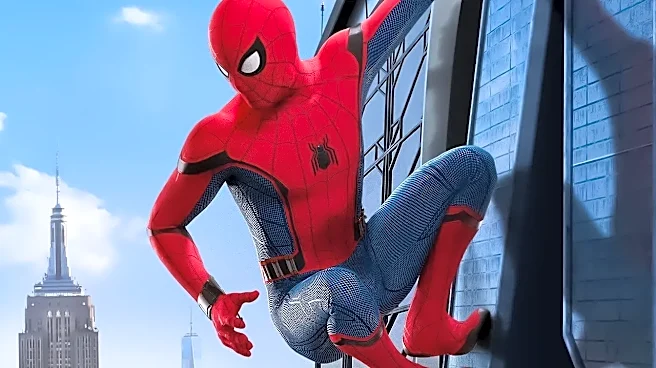
While individual heroes thrive, the monolithic brands behind them are facing a more skeptical audience. In years past, a major Marvel or DC panel would be a guaranteed packed house, with fans desperate for any scrap of news about the interconnected universe. Now, the energy is more selective. While a presentation for a highly anticipated project like Marvel's upcoming 'Avengers: Doomsday' or a 'Spider-Verse' meetup still draws massive crowds, other panels are met with a more reserved, 'wait-and-see' attitude from an audience burned out on multiverse bloat and continuity homework. Fans openly discuss feeling overwhelmed. The consensus is that loving a character no longer requires buying into every single movie, TV show, and comic book tie-in that the franchise machine produces. This shift is subtle but significant; it marks a transition from unconditional loyalty to conditional engagement.
Why the Great Divide?
So, what's causing this split between character love and franchise fatigue? The primary culprit is oversaturation. Studios have spent the last decade building sprawling, interconnected universes, a strategy that once felt novel but now often feels like a chore. For every brilliant, self-contained story, there are multiple entries that feel like mandatory viewing just to keep up. This has trained fans to be more discerning. They've learned that they can skip a few chapters without losing their affection for the main players. Furthermore, the constant churn of reboots, recasting, and conflicting timelines has eroded the sense of a single, coherent world. When there are three different versions of Batman active across film and television, fans are free to pick their favorite and ignore the rest. This isn't a rejection of the character, but a rejection of the confusing, high-commitment ecosystem built around them.
A Shift to Creator and Community
In the absence of unbreakable franchise loyalty, fans are placing their trust elsewhere: in specific creators and in the fan community itself. The appeal of NYCC is increasingly about this communal experience. Fans come to meet other fans, to see and be seen in cosplay, and to interact directly with the writers and artists whose work they admire. Loyalty is being re-forged on a more human scale. A fan might not be loyal to the entire DCU, but they are fiercely loyal to a writer's run on 'Green Lantern' or an artist's interpretation of the 'X-Men'. This is a more grassroots, authentic form of fandom. It’s driven not by top-down corporate marketing, but by the shared passion for a great story, a compelling character, or a breathtaking piece of art. It’s a powerful reminder that before these characters were billion-dollar assets, they were ideas on a page, and that is where the real magic still resides.