
An Oasis Beyond the Main Stage
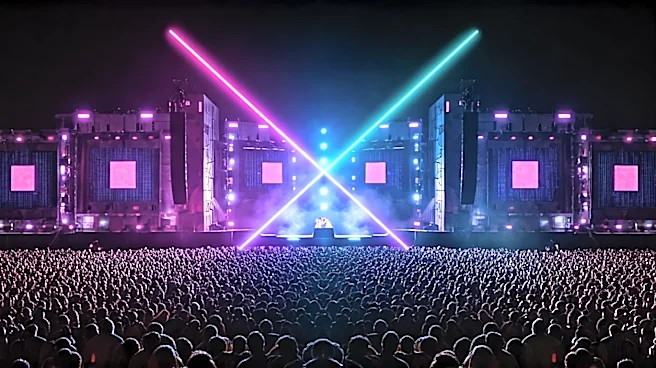
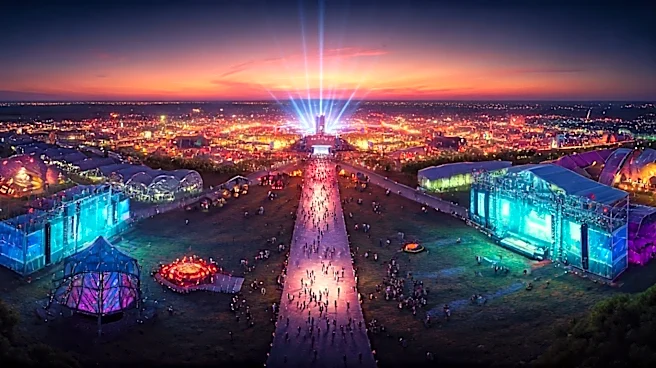
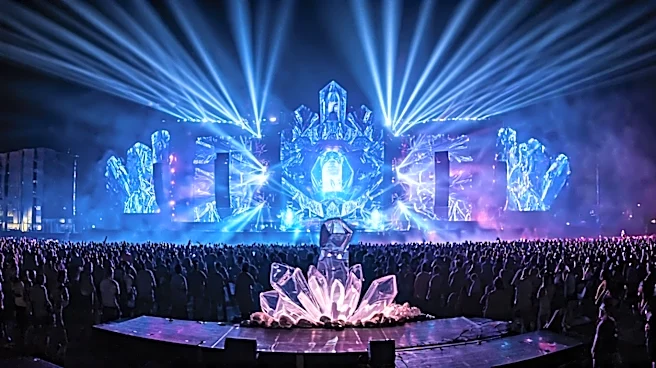
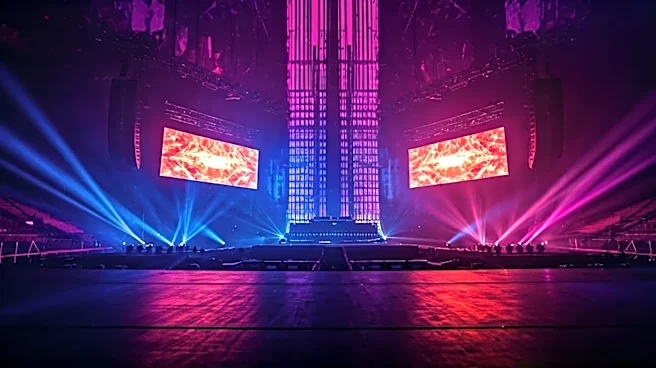
Walk away from the kinetic, fire-breathing spectacle of kineticFIELD, EDC’s colossal main stage, and you’ll find it. The vibe at quantumVALLEY, the festival’s dedicated trance sanctuary, is noticeably distinct. The crowd isn't just a sea of phones capturing
the next pyrotechnic blast. Instead, you see eyes closed, faces turned upward, and hands reaching for the sky in unison. It’s a collective exhalation. While other stages thrive on explosive, high-impact moments built for short attention spans, the trance stage operates on a different clock. The energy is a slow burn, a steady build of emotion and melody that prioritizes a shared feeling over a singular, jarring moment. Here, the DJ isn’t just a hype man; they are a storyteller, guiding the audience through an extended emotional arc. For the uninitiated, it can seem almost reverent, a stark contrast to the wild, party-centric energy pulsating across the rest of the Las Vegas Motor Speedway.
The 'Lore' of a Decades-Old Genre
The “deep-lore” appeal of trance isn’t an exaggeration; it’s a reference to the genre’s rich, almost mythological history. Born in the clubs of Germany and the Netherlands in the early 1990s, trance was built on melody, ethereal soundscapes, and hypnotic, repeating arpeggios designed to induce a state of euphoria. Pioneers like Paul van Dyk and Ferry Corsten weren’t just making dance tracks; they were composing electronic symphonies. This history is the bedrock of the fan community, often called the “trance family.” They trade stories of legendary sets from 20 years ago, revere classic anthems like they’re sacred texts, and follow specific sub-labels and radio shows with academic dedication. When a DJ drops a beloved classic from 2001, the roar from the crowd isn’t just recognition; it’s a powerful jolt of nostalgia and shared history. This sense of lineage gives the music a weight and meaning that newer, more trend-driven EDM genres often lack. It’s a culture with roots, not just a fleeting sound.
Music That Demands You Feel Something
So what makes the music itself so different? At its core, trance is fundamentally emotional. Its structure is based on long, melodic progressions that build tension over several minutes before releasing into a soaring, cathartic breakdown. Unlike big-room house or trap, where the percussive “drop” is king, trance’s peak moment is often the return of the melody after a beatless, atmospheric interlude. It’s a structure designed to make you *feel* something—joy, melancholy, hope, or pure, uplifting energy. The genre’s name itself refers to the quasi-meditative state it aims to create. With its driving BPM (beats per minute), typically between 130 and 140, and its layered, intricate melodies, the music encourages listeners to get lost in the sound. This focus on internal experience rather than external spectacle is what fosters such a strong personal connection for so many fans. It’s music for closing your eyes and going on an inner journey, even in a crowd of thousands.
A Global Community of Believers
The trance family is a real, tangible community that transcends borders. Its fans are famously loyal and multi-generational; it’s not uncommon to see seasoned veterans who have been following the scene since the 90s standing next to teenagers discovering the genre for the first time. This shared passion creates an instant bond. At quantumVALLEY, strangers embrace during a particularly emotional breakdown, united by the music. This communal aspect is what makes trance at a massive festival like EDC so special. In an environment that can feel anonymous and overwhelming, the trance stage becomes a home base. It’s a gathering of a global tribe, speaking the universal language of melody and emotion. Artists like Armin van Buuren, Aly & Fila, or Giuseppe Ottaviani are seen not just as performers but as community leaders, curating an experience for a dedicated following that shows up year after year, ready to take the journey together.