




Before the Steam Revolution
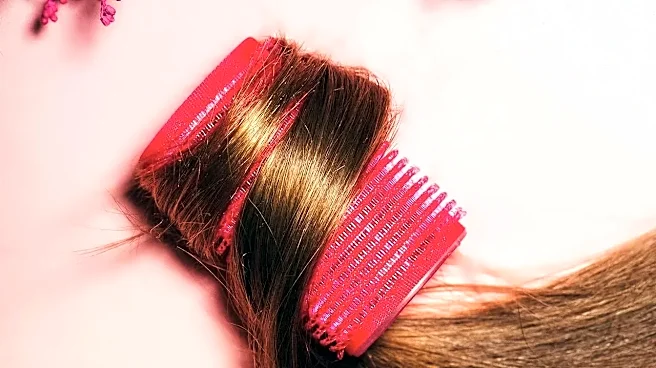
For much of history, curling hair was an ordeal. Ancient Egyptians used sun-baked wooden sticks, while Greeks favored metal rods heated in ash. By the 20th century, options had progressed to harsh, dry heat from early curling irons or time-consuming overnight
sets in uncomfortable plastic rollers. These methods often led to damage, singed strands, and brittle results. The arrival of electric dry hot rollers in the 1960s, popularized by brands like Clairol, offered speed but still relied on intense, moisture-stripping heat to shape the hair. The choice was often between style and hair health, a compromise many were tired of making.
The Dawn of a Gentler Heat
Steam curlers entered the scene as a revolutionary alternative. While steam-powered curling machines existed as early as the 1920s, it was the at-home kits of the 1970s and 80s, from brands like Remington and Caruso, that brought the technology to the masses. Instead of baking hair into submission with dry heat, these devices used moist heat. Small pods or rollers were infused with steam for a few seconds before being applied to dry hair. The concept was simple but transformative: the steam opens the hair's cuticle to allow moisture to penetrate while styling. This hydrated the hair, resulting in curls that were soft, shiny, and far less prone to damage and static.
Peak Popularity and Bouncy Curls
Throughout the 1970s and 1980s, steam setters became a staple on vanities across America. They were championed for creating voluminous, bouncy curls that lasted longer than those from dry hot rollers. For those with fine or hard-to-curl hair, steam was a game-changer, providing hold and volume without the frazzled ends. The process was a ritual: filling the small reservoir with water, waiting for the steam, and carefully placing each roller. The result was a signature soft-set look that defined an era of feathered bangs and full-bodied styles, all while promoting a healthier approach to heat styling.
Why They Faded from the Spotlight
By the 1990s and 2000s, the fast-paced evolution of hair tools pushed steam curlers into the background. Sleek, straight hair came into vogue, powered by increasingly affordable and effective flat irons. Curling wands offered a quicker, more deconstructed wave. These tools were faster and seemingly more modern, catering to a desire for immediate results. Steam rollers, which required a few minutes to heat and about 10-15 minutes to set, began to feel dated in a world of plug-in-and-go styling. They never truly disappeared—many loyalists and professional stylists have sworn by them for decades—but they lost their prominent place in mainstream hair culture.
The Quiet Legacy in Today's Tech
This is where the "quiet" reshaping comes in. While you may not see a classic steam roller set in every bathroom, the core principle of moisture-based heat styling is more relevant than ever. The technology's DNA is evident in some of today's most advanced and coveted hair tools. High-end steam flat irons, like the L'Oréal Steampod, use the same concept: they release a continuous flow of steam to hydrate the hair while straightening, reducing damage and boosting shine. Professional hair steaming treatments used in salons to help deep conditioners penetrate more effectively also operate on this principle of using steam to open the hair cuticle. These modern tools are direct descendants of the humble steam curler, proving that the idea of combining heat with hydration wasn't just a trend, but a foundational shift in how we approach healthy hairstyling.