





An Artist's First Brushstroke
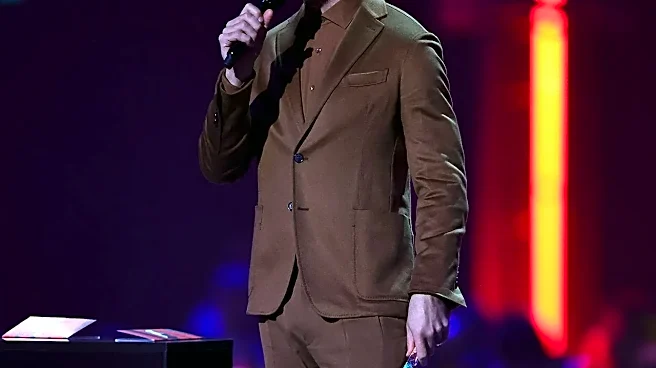
Before a single note reaches the Ryman Auditorium's legendary pews, a crucial artistic choice has already been made. For the sound engineers shaping the live broadcast and in-house mix of the Americana Awards, selecting a vocal microphone isn't just a technical
task—it's the first brushstroke in painting a sonic picture. In a genre that prizes authenticity, grit, and emotional honesty above all else, the microphone is less a tool for amplification and more an instrument of translation. It must capture the spirit of the performance without coloring it, preserving the subtle imperfections and human qualities that make Americana music resonate so deeply with its fans. A mixing engineer for the genre will tell you their goal is to let the song's personality shine through, and that mission begins with the mic.
Defining the Americana Sound
What, exactly, is the sound engineers are chasing? Americana's sonic identity is built on warmth, clarity, and a sense of intimacy. Unlike slick pop productions, the goal isn't perfection; it's realism. The audience should feel like they're in the room with the performer, hearing every breath, every crack in the voice, and every nuanced strum. This aesthetic demands microphones that can deliver a natural, unhyped sound. The historic Ryman, known as the “Mother Church of Country Music,” has acoustics designed for unamplified voices, meaning the room itself is an instrument. Modern sound systems and microphones must work with these unique acoustics, not against them, to maintain vocal clarity and that famous “in the room” feeling. The choice of microphone, therefore, is about serving that live, organic ideal.
The Workhorses of the Stage
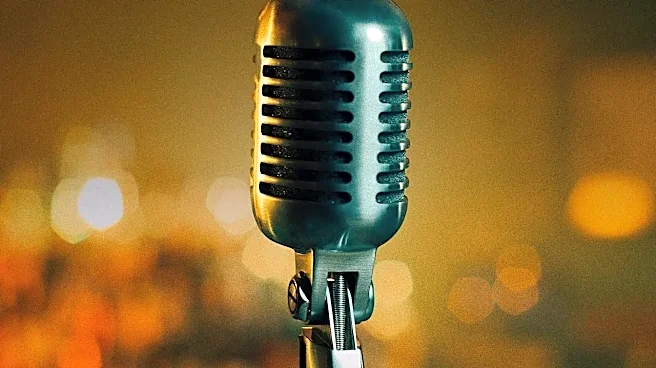
Walk the stage at the Americana Awards and you'll see a few recurring characters. The Shure SM58, a legend for its ruggedness and familiar mid-range punch, is a go-to for its reliability and ability to make a vocal sit perfectly in a dense band mix. It's the sound of countless rock, folk, and country stages for a reason. However, in recent years, another microphone has become a favorite in Americana circles: the Telefunken M80. The M80 offers more top-end clarity and a condenser-like detail, which can be perfect for a vocalist who needs to cut through a mix without sounding harsh. This makes it incredibly versatile, able to capture the bright attack of a snare drum one moment and the intimate details of a singer-songwriter the next. For certain instruments or a single-mic bluegrass setup, you might even see large-diaphragm condenser mics like a Shure KSM32 or KSM44A, chosen for their ability to capture a wide, natural sound field.
Matching the Mic to the Moment
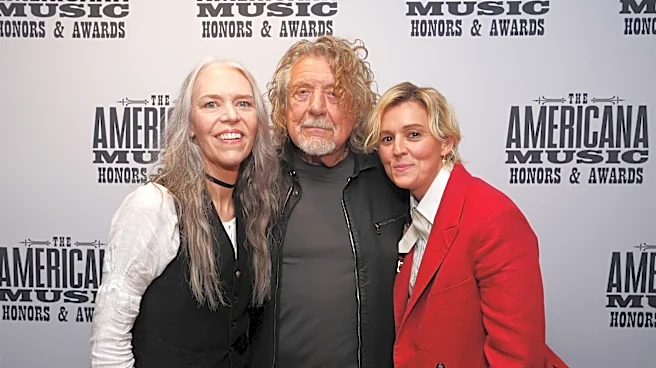
The real artistry lies in matching the right microphone to the right voice. An engineer won't hand Robert Plant, with his powerful and textured vocals, the same microphone they'd give to Brandi Carlile, known for her dynamic range that can shift from a whisper to a roar. A singer with a brighter, thinner voice might benefit from the warmth and body of a certain dynamic mic, while an artist with a deeper, more resonant tone might need the clarity of a different model to avoid sounding muddy. It’s a process of listening intently during soundcheck, understanding the artist’s unique timbre, and choosing the tool that best complements their natural instrument. This choice ensures that when an artist like Molly Tuttle or one of the members of I'm With Her steps up to sing, the character of their voice is what the audience connects with.
Rejecting Noise, Capturing Soul
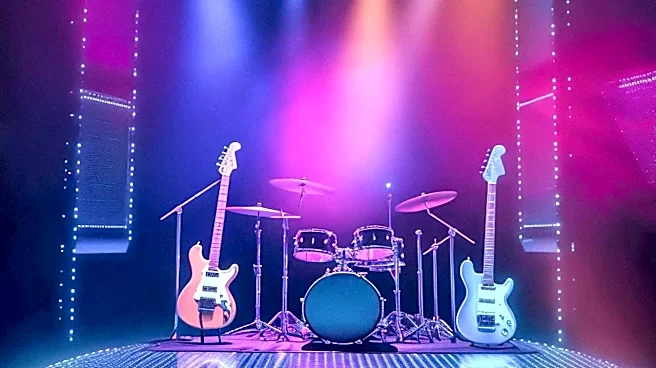
On a crowded awards show stage, with the Americana All-Star Band featuring drums, bass, multiple guitars, and fiddles, control is key. This is where a microphone's polar pattern—its directionality—becomes critical. Most vocal mics used are "cardioid," meaning they primarily pick up sound from the front and reject sound from the sides and rear. In simple terms, the mic is designed to hear the singer, not the drummer behind them or the monitor wedge at their feet. This technical feature serves a purely artistic purpose: it isolates the vocal, allowing the engineer to mix it with clarity and ensuring the emotional core of the song isn't lost in a wash of stage noise. This isolation is fundamental to delivering the intimate, story-driven performance that defines the Americana Honors & Awards.