





The Rules of the Green
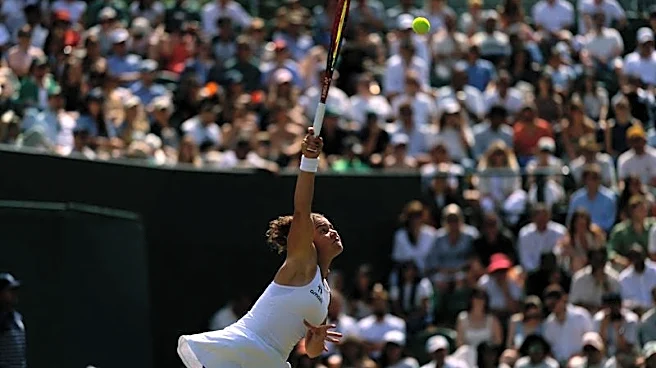
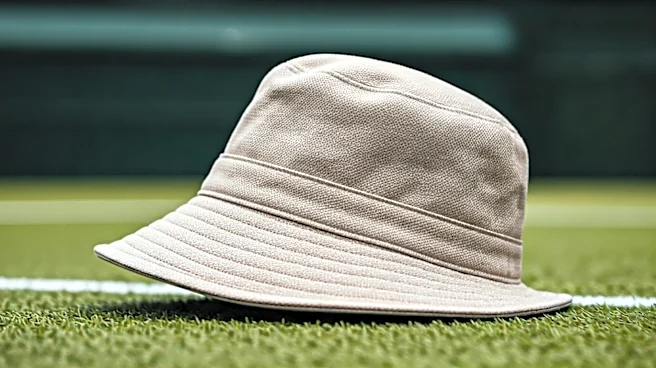
First, a refresher on just how strict the All England Club is. The official rule, tightened over the decades, mandates that players wear "suitable tennis attire that is almost entirely white." This isn't a suggestion; it applies to everything from headbands
to the soles of shoes, with a single colored trim of no more than one centimeter allowed. This tradition, dating back to the Victorian era when white was thought to hide unseemly sweat, creates a unique fashion challenge. With color off the table, players and designers must innovate through silhouette, fabric, and detail, making any discernible trend a significant statement in itself.
Less Flash, More Form
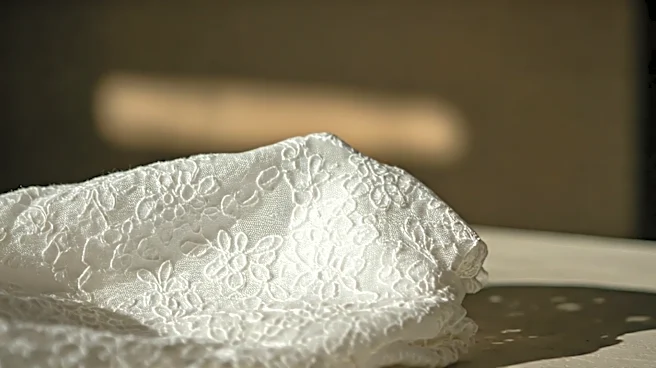
The new wave of on-court style leans heavily into what the fashion world calls "quiet luxury" or an "old money aesthetic." Think less about loud logos and more about the elegant simplicity of a perfectly cut polo, the crisp pleats of a skirt, or a beautifully tailored line. This preppy minimalism is a direct contrast to previous eras that saw players push boundaries with flashier designs and overt branding. Today, the focus is on high-quality materials, refined silhouettes, and a sense of effortless polish that feels both timeless and modern. It’s a look that whispers quality rather than shouts for attention, drawing on the sport's classic country club heritage with a contemporary twist.
The 'Quiet Luxury' Effect
So, why now? This on-court shift is deeply connected to broader cultural trends. The 'quiet luxury' movement, popularized by media and a general fatigue with logo-mania, emphasizes understated, high-quality investment pieces over fast-fashion hype. Tennis, with its aristocratic roots, is the perfect sporting canvas for this aesthetic. Brands like Ralph Lauren, a longtime official outfitter, have always championed this preppy style, but now they are joined by high-fashion houses and innovative sportswear labels interpreting minimalism in their own ways. The result is a look that feels more aligned with heritage and personal style than with pure athletic performance, turning the court into a showcase for wearable, functional refinement.
Courtside Case Studies
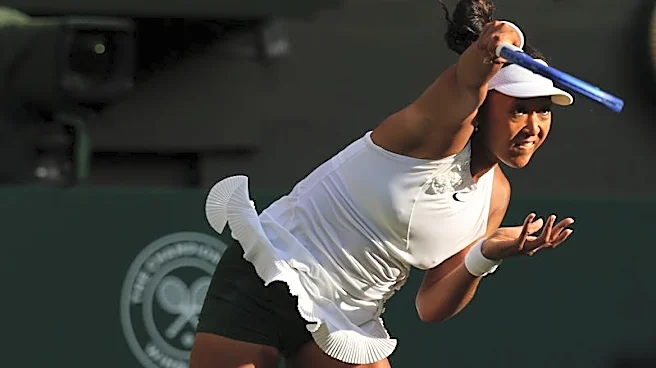
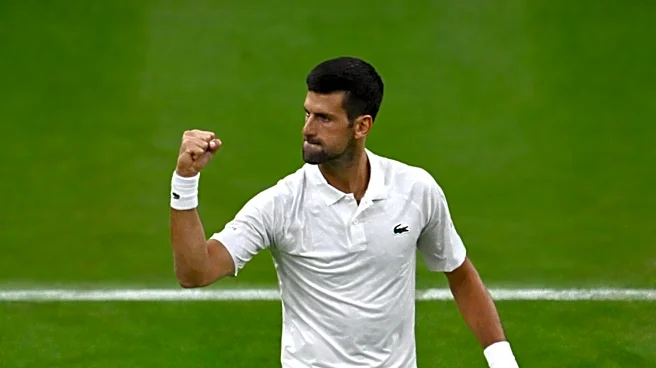
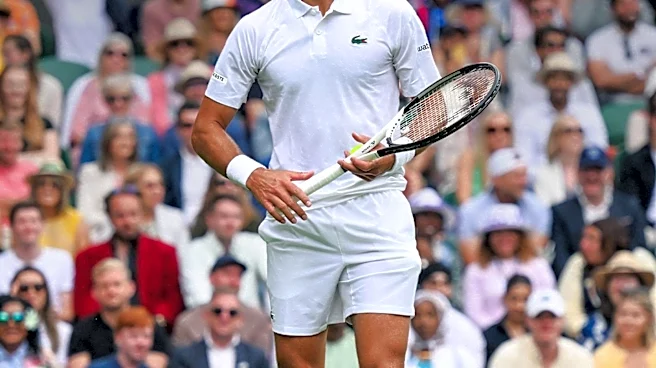
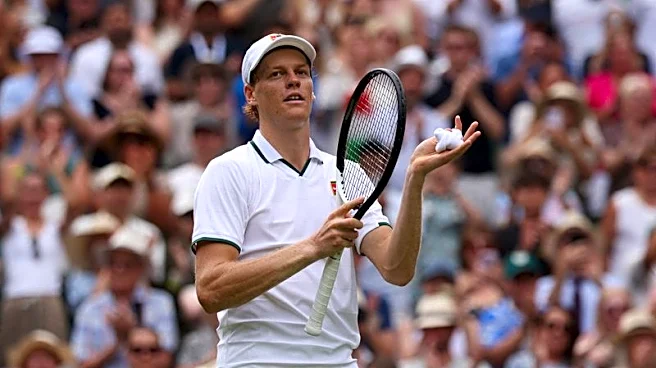
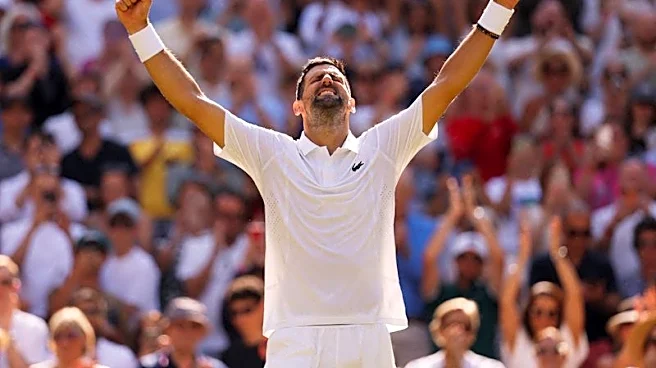
The 2026 tournament has provided a masterclass in this new aesthetic. While some players like Naomi Osaka are making bold, high-fashion statements with custom ensembles inspired by Japanese ceremonial dress, many others are embracing a cleaner look. You can see it in the classic, formal kits worn by players like Novak Djokovic or the bespoke Boss suit Taylor Fritz wore for his walk-on. Even Jannik Sinner’s choice of a custom Gucci duffle bag to carry onto the court speaks to the blending of high fashion and sport. These moments show that within the all-white rule, expression is shifting from how much color or pattern you can add to the quality and thoughtfulness of the design itself, proving that sometimes the most powerful statement is the most simple one.