

Speed vs. Polish
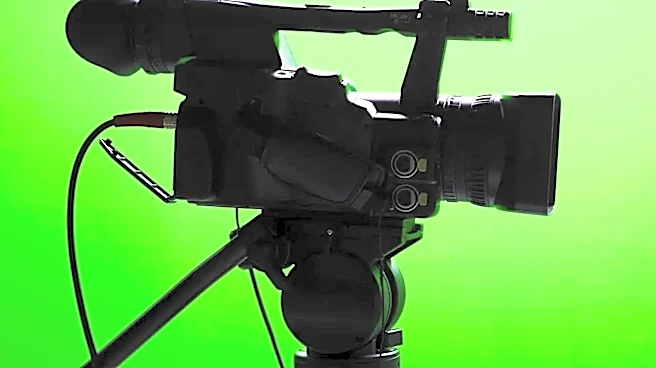
The most visible collision point is the production process itself. Veteran television crews, forged in the world of broadcast schedules and high-stakes advertising buys, are conditioned to prioritize methodical, high-quality execution. Their world is one of specialized
roles: directors, cinematographers, sound mixers, and script supervisors working in a synchronized, hierarchical dance. There is a protocol for everything, from camera setup to post-production color grading, all designed to produce a flawless, premium product. The mandate is to get it right. In contrast, digital-native teams, born from the relentless content churn of YouTube and TikTok, operate on a completely different clock. Their mantra is speed and engagement. They prioritize capturing a moment over perfecting it, often valuing raw authenticity above cinematic polish. For them, a production that takes weeks is a lifetime; they're used to shooting, editing, and publishing within hours, constantly feeding the platform's algorithm. This clash in pacing often leads to friction on set, as the digital team's desire to “just shoot it” runs headlong into the traditional crew's need to “do it properly.”
The Army vs. the One-Person Band
Traditional TV production is built on an army of specialists. Decades of union negotiations have resulted in clearly defined roles, ensuring that a lighting expert handles lights and a sound expert handles audio. This structure guarantees a high level of craft but also creates significant overhead and a rigid workflow. A veteran producer sees this as a well-oiled machine. Now, introduce a creator who, for the last five years, has been their own director, camera operator, editor, and social media manager. These digital natives are used to a flat, fluid structure where roles are interchangeable and everyone does a bit of everything. The idea of waiting for a different department to move a prop can seem bafflingly inefficient to them. This cultural difference isn't just about workflow; it's about identity. The veteran crew sees their specialization as a mark of professionalism and mastery. The digital team sees their versatility as a key to creative freedom and agility. The result is often a mutual misunderstanding of value.
Speaking Different Languages
The language barrier is perhaps the most challenging hurdle. A cable executive might talk about GRPs (Gross Rating Points), day-parts, and lead-ins. Their success is measured in overnight ratings and demographic shares. Meanwhile, the head of the digital team is focused on watch time, audience retention graphs, and click-through rates. They might propose A/B testing different thumbnails for a show's promotional art—a concept entirely foreign to a traditional marketing department. Even the definition of success is different. For broadcast veterans, it's a hit show that anchors a primetime block. For the digital team, it might be a library of content that builds a passionate, niche community and drives merchandise sales. As cable networks desperately try to attract younger audiences who live on digital platforms, they find they must become bilingual, learning to translate the metrics of mass media into the language of online engagement.
Forging a Hybrid Future
While the clashes are real, this collision is not a zero-sum game. The smartest networks and production companies are realizing that the future isn't about one culture winning, but about forging a hybrid. Veteran crews are slowly adopting more flexible, cloud-based workflows that allow for faster iteration and remote collaboration. They are learning from their digital counterparts about building direct relationships with audiences and creating content that feels personal and immediate. At the same time, successful YouTubers and TikTok creators who make the leap to television are discovering the power of high production values and structured storytelling. They are learning that the meticulous craft of traditional TV can elevate their ideas, helping them reach broader audiences without sacrificing their authentic voice. The result is a new form of television: programming with the polish of broadcast and the soul of the internet.