


1. Have the World-Class Venues
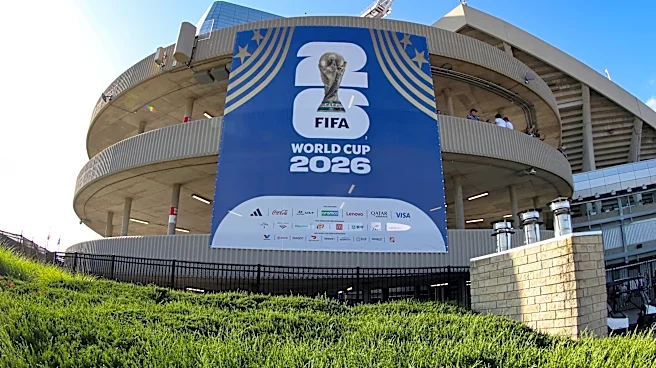
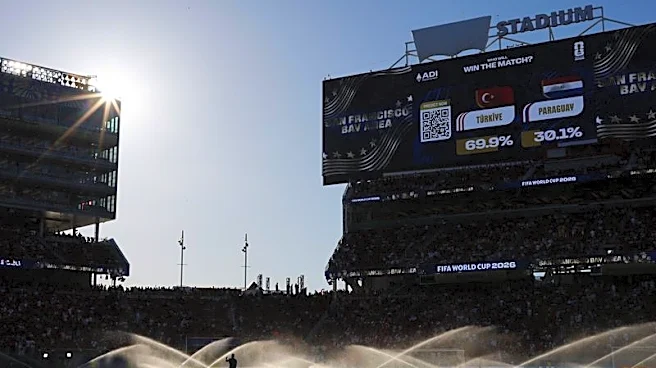
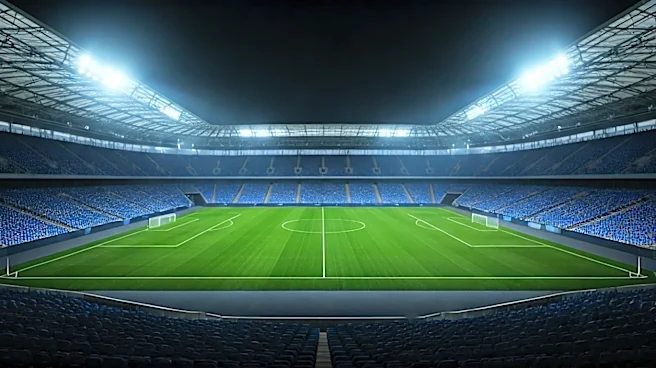
The first item on any checklist is infrastructure. A successful bid requires a stadium that meets the stringent capacity, security, and amenity standards of governing bodies like FIFA. For the 2026 World Cup, organizers required a minimum stadium capacity of 74,000
for the final and natural grass turf. Most U.S. host cities are leveraging existing NFL stadiums, but even these require costly modifications, such as removing seats to widen the field to soccer-specific dimensions. Beyond the main stadium, a host city needs a portfolio of top-tier training facilities for visiting national teams and ample hotel capacity for the influx of teams, media, and fans.
2. Build an Ironclad Bid Committee
No city wins alone. A successful bid is driven by a unified front of public and private leaders. This coalition typically includes the mayor’s office, the state governor, local tourism boards, stadium authorities, and corporate leaders. The story of Kansas City—the smallest U.S. city to host in 2026—is a testament to this strategy. After a failed bid for the 1994 World Cup, local leaders spent decades building a "soccer DNA," culminating in a passionate, coordinated seven-year effort that beat out larger metropolitan areas like Denver and Nashville. This committee is responsible for everything from lobbying and financial planning to proving to FIFA that the city has the operational expertise to handle a global event.
3. Master the Financial Game
Hosting is not cheap, and FIFA's agreements typically place the majority of costs on the host city. These can run into hundreds of millions of dollars for services like security, transportation, and fan events. Cities must present a rock-solid financial plan, often relying on a mix of public funds and private sponsorships. While the projected economic impact can be enormous—with individual cities anticipating hundreds of millions in activity—these benefits aren't guaranteed. A savvy bid committee must show it can cover the costs while having a realistic plan to capture the economic upside for local businesses in hospitality, food, and retail.
4. Get Transportation on Track
Moving tens of thousands of international fans smoothly and safely is a massive logistical challenge and a key factor in any bid. FIFA requires host cities to provide robust public transit options on match days to limit congestion. For some, like Atlanta, this has served as a catalyst to fast-track long-term transit upgrades, such as new railcars and station enhancements. For others, it means creating temporary but highly efficient solutions, like dedicated bus systems connecting airports, downtown fan zones, and suburban stadiums. A city’s ability to present a credible, stress-tested mobility plan is crucial.
5. Sell the Vibe: The Fan Experience
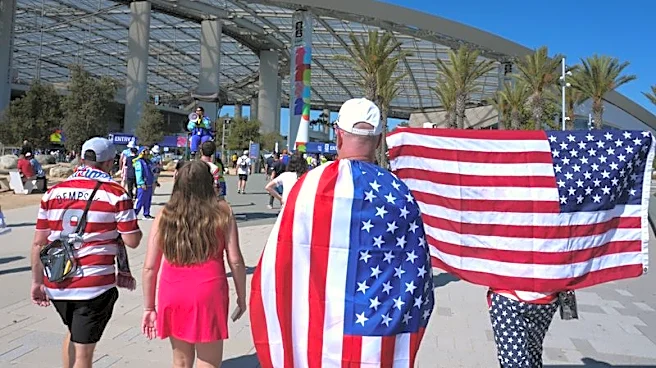
A modern World Cup is as much about the party outside the stadium as the game inside. FIFA and other tournament organizers want to see a plan for a city-wide celebration. This includes well-organized, free-to-enter Fan Festivals where thousands can gather to watch matches on public screens, creating a global atmosphere. The bid must also showcase the city's unique cultural identity. Kansas City leaned into its barbecue and jazz history, while Dallas highlighted its multicultural energy. Proving you can host a great party is as important as proving you have a great stadium.
6. Plan the Legacy, Not Just the Event
In recent years, governing bodies have placed a heavy emphasis on legacy. Bidders are now expected to demonstrate how hosting a tournament will leave a lasting positive impact on the community long after the final whistle. This can be tangible, like upgraded transit systems and renovated public spaces, or social, like increased youth sports participation, a stronger culture of volunteerism, and enhanced community pride. Cities that frame the event not as a one-off party but as a catalyst for long-term urban and social development are more likely to win favor. A strong legacy plan shows the investment will pay dividends for residents for years to come.