




The Singing Cowboy's Flash
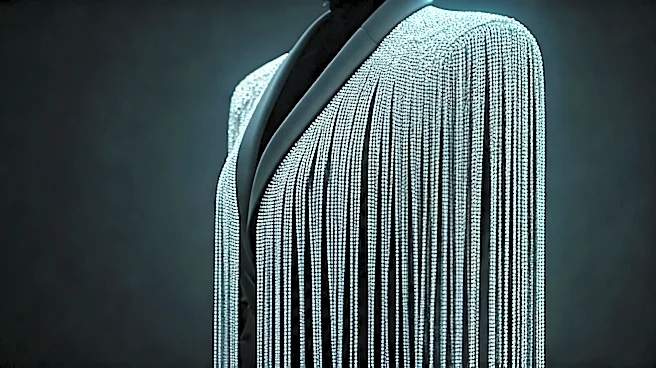
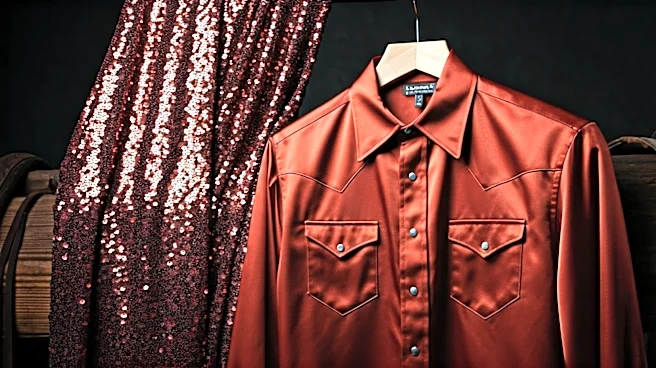
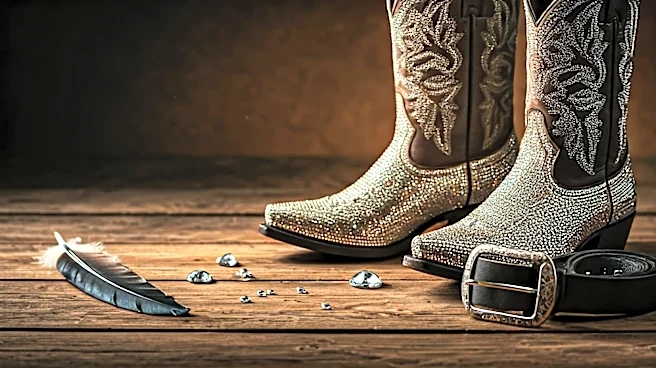
Forget minimalism. The original Western style icons were the silver screen’s “singing cowboys” like Gene Autry and Roy Rogers in the 1930s and ‘40s. Their look, heavily crafted by tailor Nudie Cohn, was pure showbiz. Think chain-stitched roses on yokes,
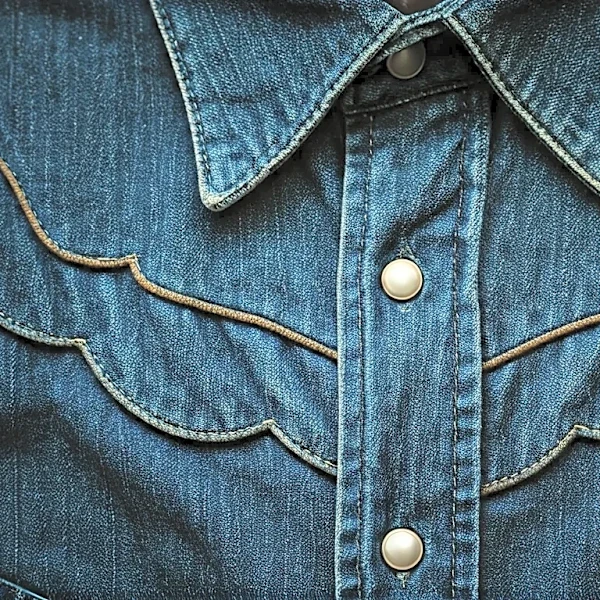
pearl-snap buttons, and fringe that moved with every strum of the guitar. This wasn't practical ranch wear; it was a fantasy of the West, designed to pop in black-and-white films and Technicolor. It established the core principle of country style: performance matters.
Patsy Cline's Gutsy Glamour
Patsy Cline’s voice was heartbreakingly bold, and her style was a masterclass in polished femininity. In the late ‘50s and early ‘60s, she often performed in elegant, self-designed dresses—from gingham frocks to embroidered gowns—that accentuated her figure without being overly revealing. She paired them with classic red lipstick and perfectly coiffed hair. It was a look that communicated both approachability and stardom, proving that a woman could command a stage in Nashville without sacrificing her personal elegance.
Johnny Cash, The Man in Black
In a world of glittering Nudie suits, Johnny Cash chose black. His head-to-toe uniform, adopted in the early 1960s, was a stark, powerful statement. It wasn't just a color; it was an identity. Part outlaw, part preacher, the look was practical, intimidating, and deeply symbolic. He claimed it was for the poor, the prisoners, and the overlooked. In fashion terms, it was the ultimate counter-program, a slice of gothic Americana that remains one of the most potent and enduring style statements in music history. It made rebellion look timeless.
Gram Parsons' Cosmic American Style
What happens when you mix a Bakersfield swagger with a Laurel Canyon hippie vibe? You get Gram Parsons and his custom Nudie suit. His most famous one, featuring marijuana leaves, pills, and a cross, perfectly encapsulated his musical mission: to create “Cosmic American Music.” This fusion of rock excess and country tradition in the late '60s and early '70s created a new fashion lane. It was flamboyant, drug-fueled, and deeply cool, influencing everyone from The Rolling Stones to the modern wave of alt-country artists.
Loretta Lynn's Gilded Gowns
Loretta Lynn sang about the hard realities of a woman's life, but on stage, she looked like royalty. The “Coal Miner’s Daughter” famously wore magnificent, floor-sweeping gowns, often in pastel shades with intricate lacework and puffy sleeves. These dresses, designed by her longtime couturier Tim Cobb, created a powerful visual contrast with her plainspoken, trailblazing lyrics. It was a declaration: a woman from humble beginnings deserved to look and feel like a queen, and she gave generations of fans permission to dream of the same.
Dolly Parton's Unapologetic Maximalism
It costs a lot of money to look this cheap,” Dolly Parton famously quipped. Her style is a masterwork of self-aware, high-voltage femininity. From the ‘70s onward, she embraced what others shunned: towering wigs, skin-tight jumpsuits, and a galaxy of rhinestones. Dolly's look is not about fitting in; it’s about creating her own universe where more is always more. It’s a joyful, powerful rejection of 'good taste' in favor of personal expression, and it has made her a beloved style icon for drag queens, pop stars, and fashion designers alike.
The 'Urban Cowboy' Phenomenon
In 1980, the movie *Urban Cowboy* did for Western wear what *Saturday Night Fever* did for disco. Suddenly, every man in America seemed to own a pearl-snap shirt, a tight pair of jeans, and a pair of boots, whether they’d ever seen a horse or not. John Travolta’s character, Bud, turned mechanical bull riding into a national pastime and made the local honky-tonk the coolest place to be. The film took country style out of the country and dropped it into the mainstream, creating a boom in Western apparel that defined the early ‘80s.
Shania Twain's Pop-Leopard Revolution
When Shania Twain dropped the music video for “That Don’t Impress Me Much” in 1998, clad in a head-to-toe leopard print hooded ensemble, it was a seismic shift. This wasn't Nashville; it was high-fashion pop. Her style throughout the '90s—crop tops, bare midriffs, and sleek silhouettes—broke every unwritten rule of country music. She proved that a country artist could be a global fashion force, paving the way for artists like Taylor Swift who would later blur the lines between country and pop with their image.