


The Global Audition
Long before a single ball is kicked, cities and nations engage in a fierce, multi-year competition just to be considered as a host. This process involves submitting a formal 'bid book' to FIFA, the world's governing body for soccer. It’s a document that
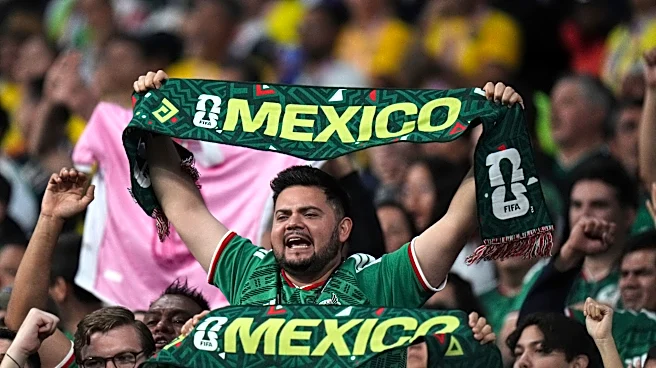
functions as part-promotional brochure, part-technical manual, outlining everything from government support to sustainability plans. For the 2026 World Cup, the joint bid from the United States, Mexico, and Canada beat out a competing bid from Morocco after a vote by FIFA's member associations. This initial phase is a high-stakes political and financial game, where potential hosts must convince FIFA they have the resources, infrastructure, and national enthusiasm to stage the world's biggest single-sport event.
The FIFA Mandate
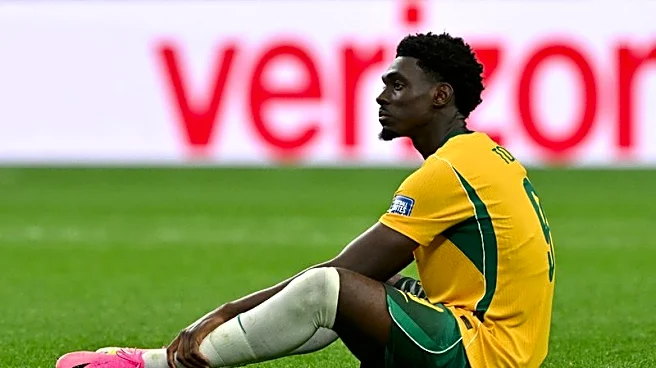
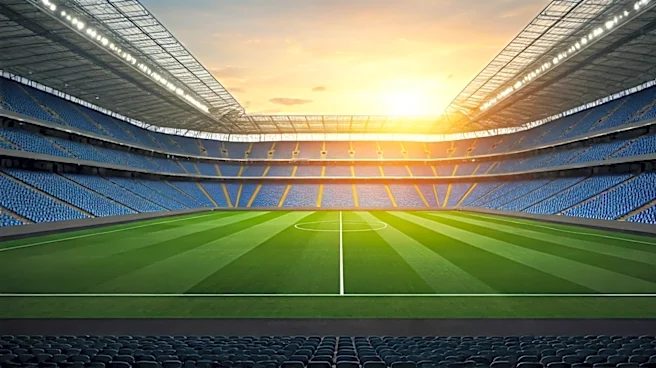
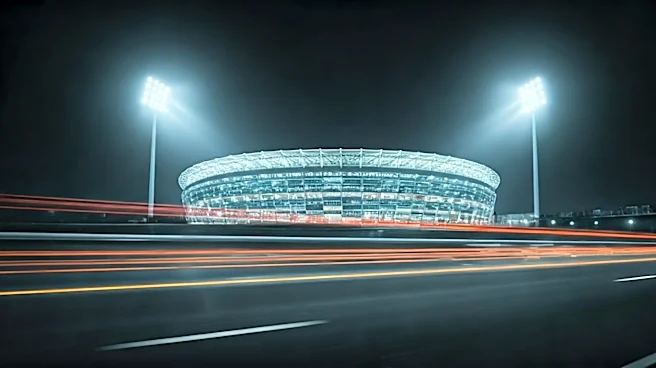
Once a country or group of countries wins the bid, the real work begins for the individual cities and stadiums. FIFA has a thick rulebook with non-negotiable technical requirements. For a stadium to even be considered, it generally needs a minimum capacity of 40,000 seats. That number jumps to 60,000 for semifinals and a staggering 80,000 for the opening match or the final. The playing surface must be pristine natural grass, a rule that often requires American football stadiums with artificial turf to install temporary, real grass fields. Beyond the basics, FIFA scrutinizes everything: transportation links, hotel capacity, security protocols, and even the location of VIP lounges and media centers. During the tournament, stadiums must be free of any non-FIFA sponsors, meaning venues like Germany's Allianz Arena or Dallas's AT&T Stadium are temporarily renamed to generic titles like "FIFA World Cup Stadium, Munich."
Building the Dream (and Paying for It)
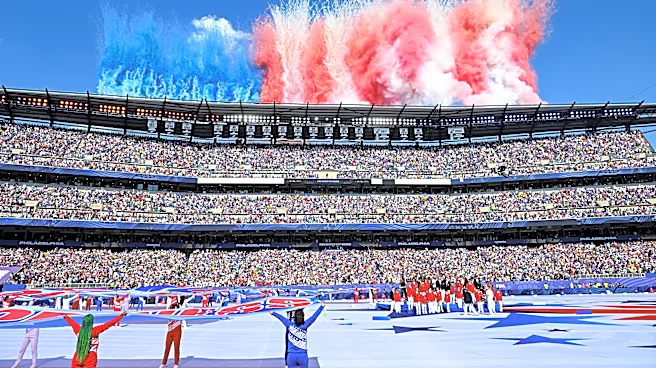
Meeting FIFA’s standards often requires massive investment. For the 2026 tournament, U.S. venues like MetLife Stadium are undergoing significant renovations, in some cases removing seats to widen the field to meet FIFA’s exact dimensions. These upgrades, alongside broader infrastructure projects, are often justified by projected economic benefits, such as boosts in tourism and job creation. Studies for the 2026 World Cup projected billions in economic activity. However, the actual long-term benefit is a hotly debated topic among economists. While local businesses like hotels and restaurants see a temporary surge, the immense cost of construction or renovation can place a heavy burden on host cities.
Where History Happens
A stadium’s journey doesn’t end with construction. It truly becomes part of the World Cup story when it becomes the backdrop for unforgettable human drama. No one remembers a venue for its compliant infrastructure; they remember it for the moments it hosted. Mexico City's Estadio Azteca is legendary, having hosted two finals and witnessing both Diego Maradona's infamous "Hand of God" and his spectacular "Goal of the Century" in 1986. Brazil's Maracanã is forever associated with the “Maracanazo,” the shocking 1950 final where Uruguay upset the hosts in front of a record crowd. These moments elevate a structure of concrete and steel into a cathedral of sport, a place where national identities are forged and sporting legacies are cemented.
The Afterglow or the Afterthought
The final chapter in a venue's World Cup story is its legacy. What happens after the fans go home and the trophy is lifted? The best-case scenario is that the stadium continues to be a vibrant community asset. For the 2026 World Cup, most of the U.S. stadiums, like MetLife Stadium and SoFi Stadium, will simply revert to their primary roles as homes for NFL teams. The worst-case scenario is becoming a “white elephant”—an expensive, oversized venue with no long-term tenant, draining public funds for maintenance. Brazil and South Africa have struggled with this issue. In contrast, Qatar planned for this by designing stadiums with modular components, allowing for post-tournament capacity reduction, with parts being donated or repurposed for community hubs, hotels, and shopping centers.