





The Overture of Dread
A great horror symphony doesn't open with a scream. It starts with an unsettling quiet, a theme, a mood. The best Halloween Horror Nights (HHN) houses embrace this philosophy. Before the first actor jumps out, you are immersed in a world designed to put
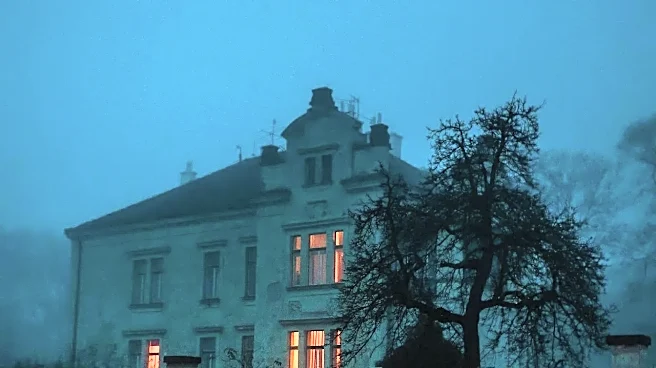
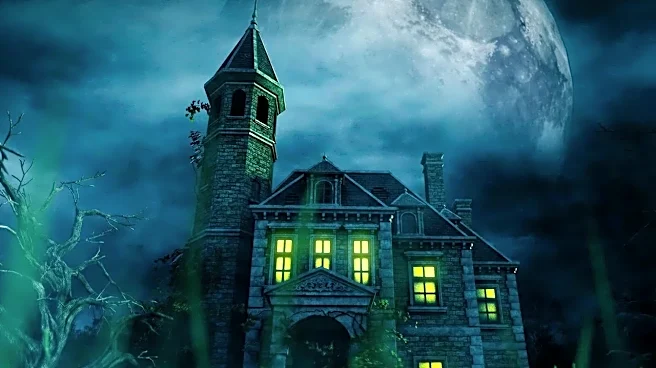
you on edge. This is achieved through detailed facades, atmospheric lighting, and, crucially, sound design. The creative teams, led by figures like John Murdy, understand that fear is an emotional journey. You might enter a house like 'The Haunting of Hill House' and be met not with a monster, but with the unnerving silence and oppressive architecture of the mansion itself, letting your own imagination do the initial work. Sound is critical here; low-frequency infrasound, which humans feel more than hear, can create feelings of anxiety and dread before a single scare has even been deployed. This opening movement establishes the key and tempo for the horror to come.
Building the Crescendo
Once the theme is established, the composition begins to build. This is where the 'peaks' of the experience come in. A well-paced house layers its scares, increasing their intensity and frequency like a rising musical crescendo. It’s a science of timing and distraction. Designers use meticulously planned sightlines and audio cues to direct your attention, ensuring scares land with maximum impact. The first few scares might be simple startles, but they soon evolve. You'll encounter more elaborate effects, more aggressive character interactions, and more complex set pieces. This progression is deliberate. It’s not just a random collection of frights but a carefully structured escalation designed to wear down your defenses. Each scare is a percussive hit, building on the last, driving the rhythm forward and leaving you increasingly vulnerable.
The Power of the Valley
Just as important as the scares are the moments in between. These 'valleys' are the quiet passages in the score, and they are anything but filler. A relentless barrage of jump scares leads to exhaustion, not terror. The quiet, seemingly empty hallways serve a crucial purpose: they allow tension to rebuild. After a high-intensity scene, a moment of reprieve lets your guard down, making the next scare exponentially more effective. These valleys are where atmosphere takes over again—a flickering light, a distant, unidentifiable sound, or a creepy tableau just out of focus. They are the adagio sections of the horror symphony, creating a rhythm of fear and release that keeps guests engaged and unsettled throughout the entire walkthrough. Without these valleys of suspense, the peaks would lose all their power.
Thematic Reprises and Payoffs
The most memorable HHN houses are those with a strong, cohesive theme, and they use 'reprises' to reinforce it. Like a recurring musical motif, a great house will bring back characters, sounds, or visual gags with clever variations. You might see a specific type of puppet in an early room of a house like 'Puppet Theatre: Captive Audience', only for it to reappear in a more menacing context later. This technique does more than just provide another scare; it builds a narrative. It makes the world feel consistent and alive, rewarding attentive guests and creating a sense of a coherent story unfolding around them. These callbacks transform a simple walk-through into a memorable, theatrical experience. The creative directors and their teams often speak of this collaborative, layered process, where ideas are built upon to create a satisfying whole.
The Final, Haunting Chord
Every great piece of music needs a powerful ending, and the same is true for a haunted house. The finale isn't always just the biggest, loudest scare. Often, it’s a lasting, iconic image or a final, desperate encounter that encapsulates the entire theme of the house. This is the grand finale designed to send you out into the night with a final jolt of adrenaline and an image burned into your memory. It might be a climactic confrontation with the main villain or a disorienting sensory overload. The goal is to provide a definitive, impactful conclusion that feels earned. It's the final chord that rings in your ears long after the music has stopped, ensuring the experience doesn't just end the moment you exit, but follows you out into the park.