






The Burden of the Crown
When a team like Brazil or Germany takes the field at a World Cup, they aren’t just playing against the 11 opponents in front of them; they are playing against their own history. For these nations, success isn't just a hope, it's a baseline expectation.
A quarterfinal exit that would be a national celebration for a team like Canada is considered a national failure in Buenos Aires or Berlin. This isn't just about winning; it's about upholding a legacy. The German national team is known as 'Die Mannschaft' (The Team) for a reason—it’s expected to function with ruthless efficiency. Brazil isn't just supposed to win; they are expected to win with 'joga bonito' (the beautiful game), a flair that echoes Pelé and Garrincha. Anything less feels like a betrayal of their identity. This relentless demand for both victory and style creates a psychological pressure cooker that teams with a blanker slate simply do not experience.
Playing Against Ghosts
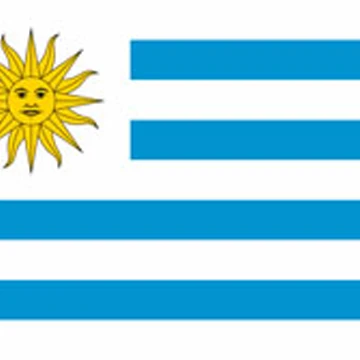
History in soccer is a double-edged sword. Past glories provide a standard, but past failures create ghosts that haunt generations. No story illustrates this better than Brazil's. The national trauma of losing the 1950 World Cup final at home to Uruguay—an event so devastating it was given its own name, the 'Maracanazo'—lingered for decades. It was seen as a national tragedy that could only be exorcised by winning. Fast forward to 2014, when Brazil hosted the World Cup again. The pressure to finally right that 64-year-old wrong was immense. Instead, they suffered an even greater humiliation: a 7-1 semifinal demolition by Germany. The players on the pitch weren't just losing a game; they were collapsing under the weight of two eras of expectation. Similarly, the Dutch national team is forever haunted by the 'Total Football' side of the 1970s that twice lost in the World Cup final. Every great Dutch team since has played in the shadow of Johan Cruyff, trying to finally capture the trophy that their most iconic generation couldn't.
The National Media Machine
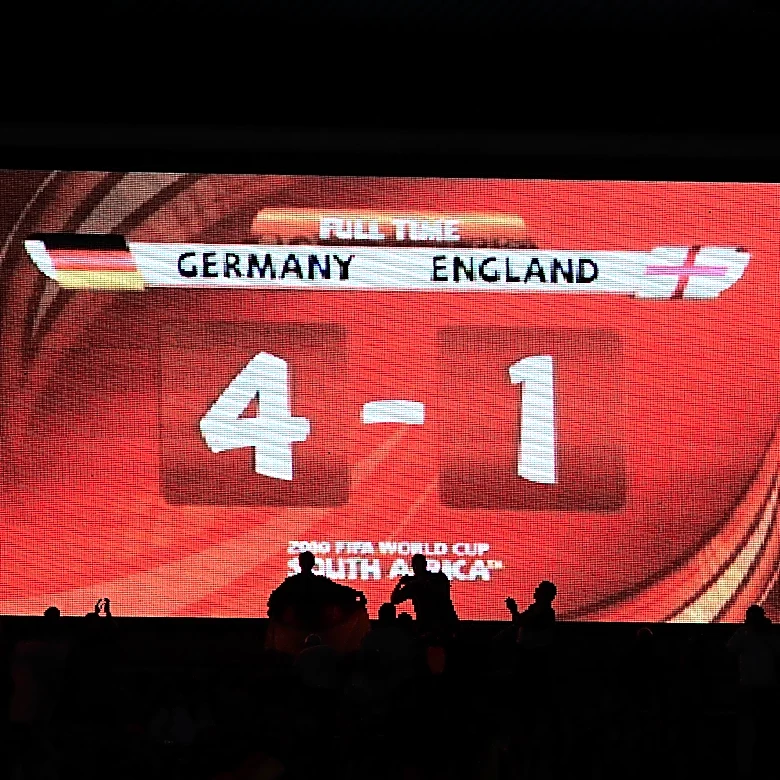
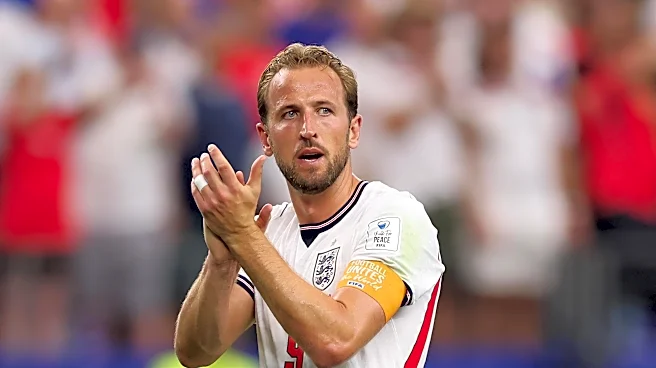
For some countries, the pressure is amplified by a relentless, often unforgiving national media. The prime example is England. With only one major trophy to their name (the 1966 World Cup), every tournament cycle is a spin of hope and inevitable despair, fueled by tabloids that build the team up as world-beaters before a ball is kicked, only to tear them down viciously upon exit. The phrase 'years of hurt' isn’t just a lyric from a fan anthem; it’s a cultural state of being. Every missed penalty and every tactical misstep is dissected with an intensity that borders on inquest. This creates an environment where players seem to play with a fear of failure, rather than a joy for the opportunity. The pressure isn't just to win for the country, but to finally silence the deafening chorus of criticism that awaits them back home.
The Freedom of Having Nothing to Lose
Contrast this with the teams who enter tournaments as long shots or Cinderellas. When Morocco made its historic run to the 2022 World Cup semifinals, they played with a palpable joy and freedom. Each victory was a bonus, a new chapter in a story that had no predetermined ending. The players weren't burdened by the expectations of their grandfathers; they were creating a new legacy from scratch. The same could be said for Iceland at Euro 2016, whose thunder-clapping fans and shocking victory over England became one of the sport's great feel-good stories. For these teams, pressure is a privilege, not a curse. There are no ghosts to exorcise or impossible standards to uphold. They are free to simply play, and in that freedom, they often find a strength that the giants, weighed down by their own history, can only envy.