






The First Perfect Goodbye
Let’s go back to 2010. Toy Story 3 was billed as the end, and it felt like it. The film’s masterstroke was understanding that the story wasn't just about toys; it was about the finality of childhood. The gut-wrenching incinerator scene wasn’t just a thrilling
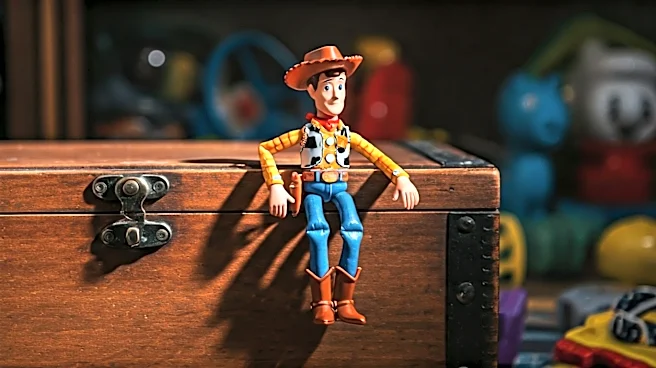
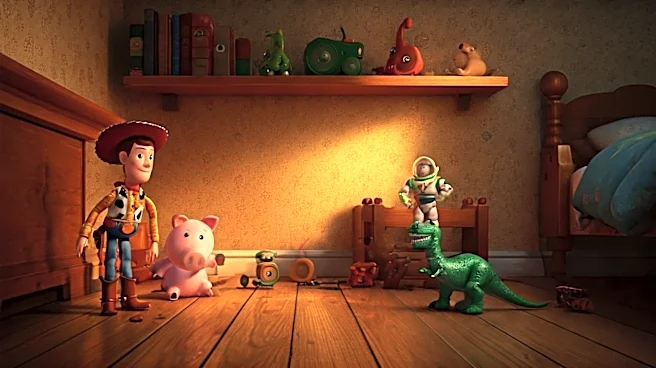
escape; it was a moment of existential acceptance where the gang faced oblivion together. But the real emotional climax came in a quiet front yard. When Andy gives his beloved toys to Bonnie, it’s a transfer of purpose. He isn't just getting rid of old things; he’s ensuring their story continues with someone who needs them. Woody’s final, whispered “So long, partner,” wasn’t just for Andy. It was for us. It was a perfect, heartbreaking, and narratively complete conclusion to the saga’s central theme: a toy’s life is defined by its child. It was, for all intents and purposes, a perfect franchise goodbye.
The Second, Impossible Goodbye
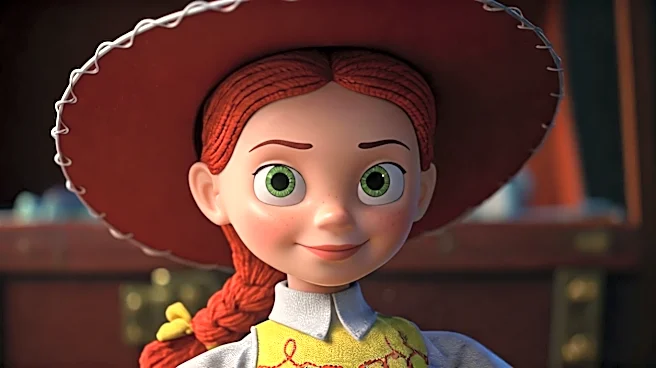
Then came Toy Story 4, a film many thought was unnecessary. Its controversial brilliance was in asking a question no one thought to ask: What happens after your purpose is fulfilled? The film pivoted from the franchise’s core theme to a deeply personal one for Woody. It wasn't about being a toy for a kid anymore; it was about being a person (or, well, a toy-person) for himself. The decision to leave Buzz, Jessie, and the rest of the gang to live a new life with Bo Peep wasn't a betrayal of his friends. It was an act of profound self-actualization. He graduated. It was a second perfect goodbye—not to a child, but to a way of life. It was a risky, mature, and deeply affecting epilogue that gave Woody the one thing he never had: a choice. In doing so, it redefined the entire franchise as a story about growth, change, and letting go.
The Unforgivable Third-Act Mistake
This brings us to the one mistake Toy Story 5 cannot afford to make: narrative regression. The great sin wouldn't be a weak plot or unfunny jokes. The unforgivable mistake would be to undo the emotional work of the last two films. It would be manufacturing a reason for Woody to abandon his new life and rejoin the gang as if his choice in Toy Story 4 was just a vacation. It would be treating a poignant, character-defining ending as a temporary plot point that can be easily reversed for the sake of a familiar ensemble adventure. This isn't just about preserving canon; it's about respecting the story's emotional intelligence. Toy Story 3 taught us that endings are a necessary part of love. Toy Story 4 taught us that our purpose can change. To walk back either of these lessons would be to fundamentally misunderstand what made the franchise so special. It would be the ultimate third-act error: revealing that the profound conclusions we witnessed were, in fact, meaningless.
So, What's Left to Say?
For Toy Story 5 to justify its existence, it cannot be a reunion tour. It can't hit the reset button. The only path forward is to honor the consequences of the past. Perhaps the film is centered entirely on Buzz Lightyear, finally stepping out of Woody’s shadow to become the undisputed leader, facing a challenge that Woody would have solved differently. Or maybe it is a Woody story, but one that reinforces his choice—a challenge to his new life that makes him fight *for* it, not flee from it. The film has to find a new emotional thesis. The first trilogy was about purpose. The fourth film was about self. What is the next universal truth for these characters to explore? Whatever it is, it has to be as brave as a cowboy saying goodbye to his family and as definitive as a young man driving off to college. Without that courage, it's not another Toy Story; it's just a toy.