





An Island for a New Kind of Story
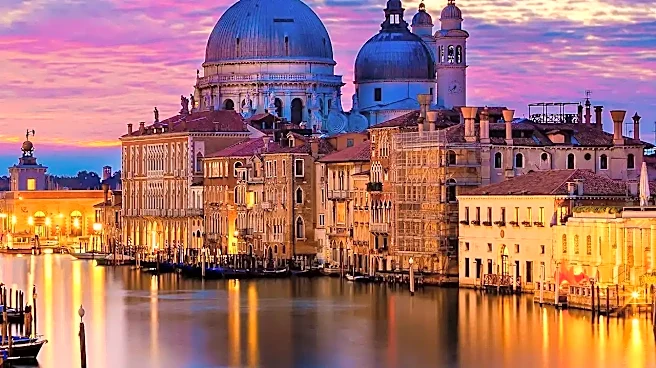
For most of its history, the Venice International Film Festival has been a temple to traditional cinema. But a short boat ride from the main Lido events, on the island of Lazzaretto Vecchio, a different kind of magic is happening. This is the home of Venice Immersive,
the festival’s official section dedicated to Extended Reality (XR). Now celebrating its 10th anniversary, the program has grown from a niche curiosity into a premier showcase for virtual reality, augmented reality, and other interactive digital experiences. This year, it features 68 projects from 26 countries, ranging from 30 in-competition works to a curated selection of the best virtual worlds built by independent artists. It’s the first competition of its kind at a major A-list festival, giving a powerful platform to creators who are using technology to tell stories you don't just watch, but inhabit.
From Passive Viewer to Active Participant
The core difference between cinema and immersive art is agency. A film guides you through its narrative, while an immersive piece often asks you to find your own path. You are no longer just an observer; you are a character, a participant, or even a co-creator of the experience. The 2026 lineup showcases this shift vividly. In an AR drama called "Empire at Sea," an ensemble cast appears as holograms on a tabletop, letting you follow different storylines in a shared space with other audience members. In "Finding Frida," you step into a virtual Art Nouveau villa to explore the life of a forgotten artist, where archival photos and objects become portals into her history. Even documentary is being transformed. Mark Ruffalo lends his voice to "Solwata," a piece about climate refugees, putting the viewer directly into the heart of the issue.
Star Power Meets a New Medium
Once seen as a playground for tech enthusiasts, immersive art is now attracting major Hollywood talent. The 2026 program includes a nature experience narrated by Margot Robbie that explores the Galápagos Islands and a project voiced by Andy Serkis. This influx of established stars signals a growing recognition of XR's artistic legitimacy and its power to connect with audiences in a profound new way. Another highlight is an audio-visual experience built from rare photographs of David Bowie, using advanced spatial audio to place you inside the moments of his life and career. These are not tech demos; they are fully realized artistic works that leverage star power to draw mainstream attention to a medium that is rapidly evolving. By presenting these projects alongside traditional films, Venice is making a clear statement: this is not a sideshow, but a vital part of the future of entertainment.
So, Is It Still 'Cinema'?
This is the question at the heart of Venice Immersive. When you can influence the story, walk around inside the set, and interact with characters, are you still watching a "film"? The answer is complicated. Purists might argue that the curated, directorial vision of traditional cinema is lost when the audience is given control. Yet, the creators in Venice would say they are simply using new tools to achieve the same goals: to evoke emotion, provoke thought, and transport the viewer. They are expanding the language of storytelling. As one director of an underwater immersive piece noted, these projects are often born from "curiosity, improvisation, and belief in an idea." The festival itself doesn't offer a definitive answer, instead providing a space for the debate to unfold. By calling it Venice Immersive and placing it within a film festival, the organizers suggest it's not a replacement for cinema, but an expansion of it—a new branch on the same creative tree.