






The American Viewing Dilemma
Let’s be honest: for a nation raised on the explosive, stop-start drama of football and the methodical cadence of baseball, soccer can feel like a test of endurance. Two 45-minute halves with no commercial breaks, no timeouts to dissect a single play,
and often, no scoring. The common complaint isn’t just that it’s “boring,” but that it’s structurally unfamiliar. American sports are built around pauses. They are designed for us to grab a beer, debate a coach’s decision, or check our fantasy stats. Soccer, with its constant, fluid motion, denies us these built-in breathers. It demands a different kind of attention—one that many of us simply haven’t cultivated.
Baseball’s Rhythmic Genius
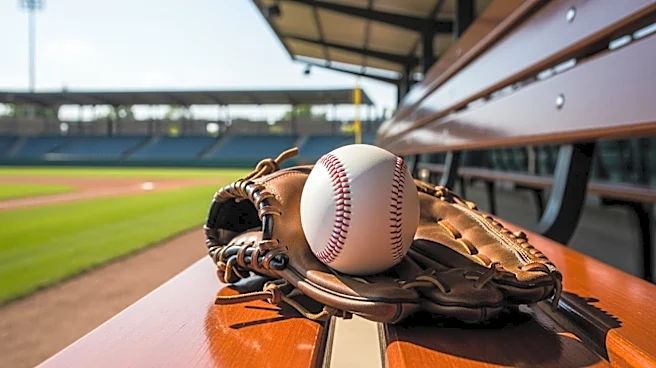
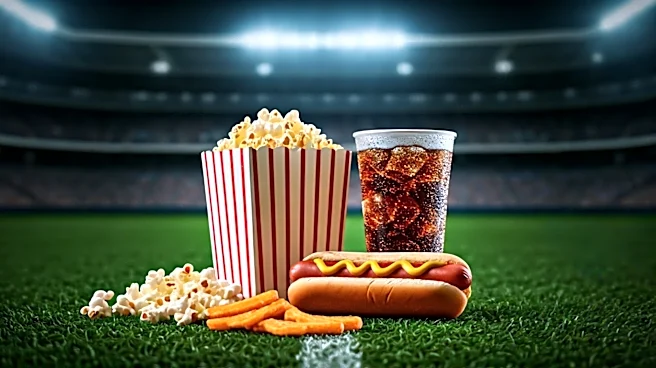
Now, consider a baseball game. It’s a three-hour social event that just happens to have a sport playing in the background. The time between pitches is long enough for a conversation. The break between innings is an eternity, practically begging you to make a pilgrimage for a hot dog and a comically large soda. The game’s rhythm isn’t just slow; it’s leisurely. This pace creates a unique culture of consumption. You don’t scarf down a helmet full of nachos in a panic; you graze. You sip. You crack peanuts. The food isn’t just fuel; it’s part of the ritual, an activity that fills the game’s abundant negative space. It transforms passive viewing into an active, multi-sensory experience.
Applying the Ballpark Mentality
This is the unlock for soccer. Instead of gluing your eyes to the screen for 45 minutes, waiting for a goal that may never come, try treating a soccer match like a day at the ballpark. The problem isn’t the game; it’s our expectation of constant, quantifiable action. By introducing the baseball snacking philosophy, you change the objective. Your goal is no longer just to see a ball hit a net; it’s to enjoy the 90-minute experience. You’re not just watching a game; you’re hosting a small, casual event where the sport provides the ambient tension. A near-miss on goal becomes more exciting when you look up from your bag of chips just in time to see it, and a midfield slog becomes a perfect opportunity to discuss whether cilantro belongs on tacos.
A Game Plan for Your Couch
So, how do you do it? First, prepare. Don’t just grab a bag of pretzels. Think like a concessions manager. Maybe it’s a spread of chips, dips, and some sausages on buns. The key is variety and disposability—things you can pick at. Second, embrace the lull. When the ball is stuck in a midfield battle, that’s your cue. That’s your “bottom of the fifth” moment to reload on snacks and drinks. Don’t feel guilty for looking away. The game will call you back when it matters; the roar of the crowd is your signal. This approach reframes the long, goalless stretches not as failures of entertainment, but as opportunities for conversation and consumption—the very things that make a baseball game so pleasant.
Beyond the Bottomless Soda
Ultimately, this isn’t just about food. It’s about recalibrating your internal clock. Baseball culture teaches us to find joy in the anticipation, the slow build, and the communal experience. Soccer, for all its kinetic energy, is also a game of immense, simmering tension. The difference is that its tension builds over 20, 30, or even 90 minutes before exploding in a single moment of brilliance. By adopting the patient, social, snack-fueled mindset of a baseball fan, you give yourself permission to enjoy that slow burn. You’re no longer tapping your foot, waiting for something to happen. You’re settling in for the long haul, Cracker Jacks in hand, ready to appreciate the subtle beauty of the buildup just as much as the explosive release of a goal.