



The Show Before the Storm
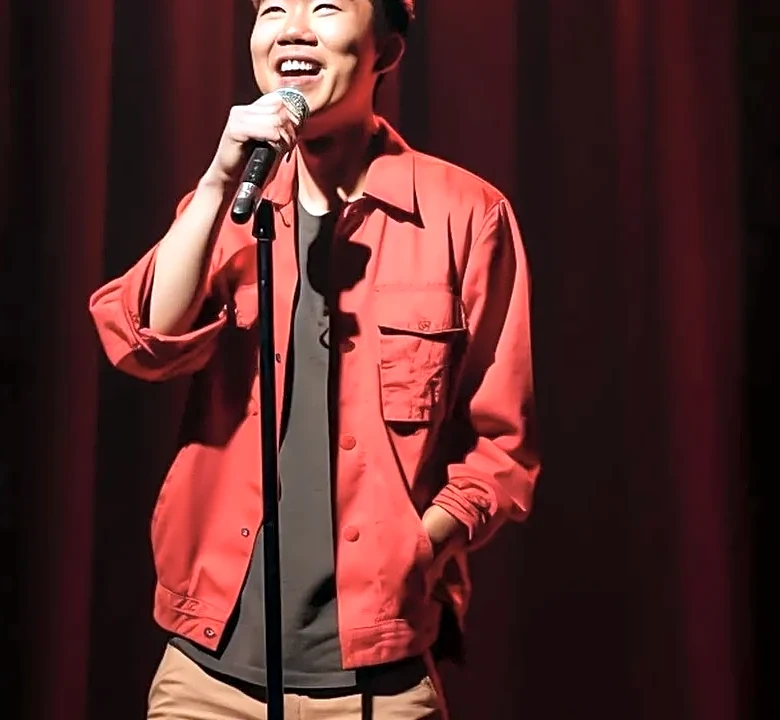
Long before 'Nanette' became a global Netflix phenomenon, Hannah Gadsby was carving out a unique niche in the comedy world that few outside of Australia's festival circuit witnessed. With a degree in Art History, Gadsby wasn’t just telling jokes; they
were delivering fully-formed, deeply researched lectures disguised as stand-up specials. Shows like 'Hannah Gadsby's Nakedy Nudes' were presented as comedic art tours, complete with slide presentations. In these earlier works, Gadsby walked audiences through centuries of Western art, using humor to deconstruct the absurdity of the male gaze and the strange, often sexist, conventions of art history. While audiences were laughing, they were also getting a masterclass in how culture builds and reinforces power structures—one naked, reclining, and oddly passive figure at a time. This wasn't just a quirky gimmick; it was the foundation of everything to come.
Comedy as a Trojan Horse
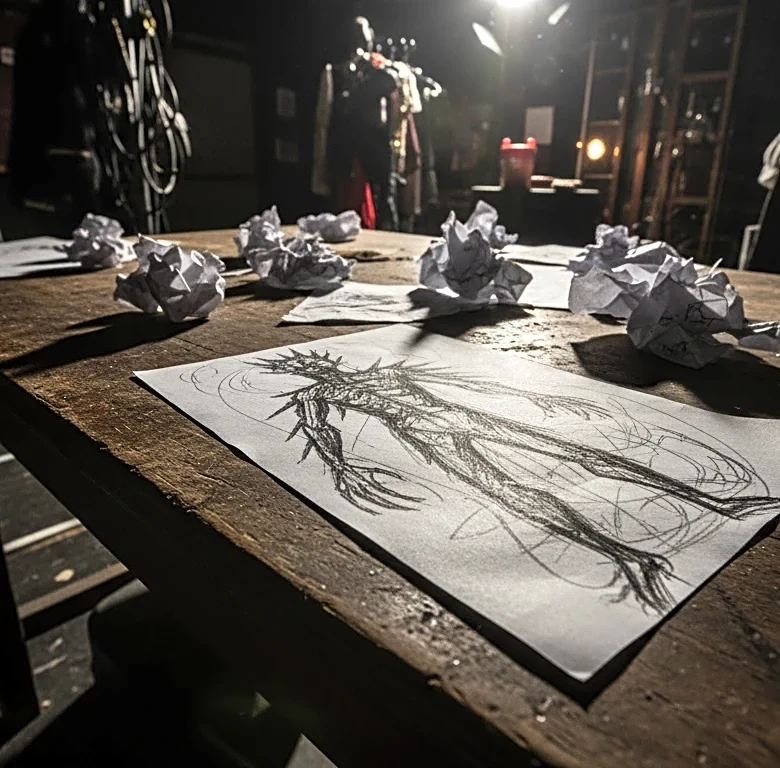
The 'hidden sketch' that defined Gadsby wasn't a single joke but this entire format. For years, Gadsby perfected the art of using a seemingly academic topic as a Trojan horse for intensely personal and political commentary. In shows like 'Nakedy Nudes' and 'Hannah Wants a Wife,' the paintings on screen were never the real subject. The real subject was power: who has it, how they use it, and how it’s codified in the images we revere. Gadsby would point to a Renaissance painting and, through a series of devastatingly funny observations, re-contextualize it, making the audience see the inherent silliness or injustice they'd never noticed before. A critic in 2013 noted that this approach 'redefines what observational comedy might be.' Gadsby was teaching audiences a new way of seeing, training them to look for the story outside the frame and question the narrator. It was all setup, building tension around history, gender, and personal identity.
The DNA of 'Nanette'
When 'Nanette' arrived, many saw it as a shocking departure—a comedian suddenly deciding to quit comedy on stage. But for those who had followed Gadsby's work, it was a logical, if explosive, conclusion. All the elements were already there. The deconstruction of revered figures? They had been doing it to Picasso and the Renaissance masters for years. The raw, personal storytelling interwoven with cultural critique? That was the engine of their art-lecture shows. The central thesis of 'Nanette'—that a story has been flattened and that the narrator is reclaiming their power—was precisely what Gadsby had been saying about the women depicted in classical art. The only thing that changed was the subject. Instead of an anonymous nude in a forest, the subject was now Gadsby themselves. They simply turned their well-honed analytical lens from a painting onto their own life and trauma.
Why the Punchline Had to Go
The true genius of Gadsby's earlier work was how it used the structure of comedy to make complex ideas palatable. The punchline was the spoonful of sugar that helped the art history medicine go down. But as Gadsby explains in 'Nanette,' a punchline’s job is to release tension. For years, Gadsby had been building tension around patriarchy, homophobia, and misogyny, only to dissipate it with a laugh, letting the audience off the hook. 'Nanette' was the moment the Trojan horse finally opened and the soldiers stormed out. It was the art lecture without the safety of distance, the personal story without the release valve of a joke. By refusing to provide the punchline, Gadsby forced the audience to sit in the tension they had spent a career mastering. It was the ultimate fulfillment of their artistic project: not just to make you laugh at the story, but to make you feel the weight of it.