



1. That the Dialogue Matches the Scene
This is the oldest trick in the trailer-editing book. A character delivers a chilling line of dialogue as the camera lingers on another character’s face, implying a direct confrontation or betrayal. More often than not, it’s a clever deception. Editors
routinely pull audio from one scene and layer it over visuals from a completely different part of the episode—or even the season—to manufacture drama. Rhaenyra might be heard vowing revenge while we see a shot of Alicent looking worried, but that doesn't mean the two are even in the same room. The audio could be from a private conversation with Daemon, and Alicent's look of concern could be about her own children. It’s all about creating an emotional reaction, not providing a factual summary. So before you screen-cap that moment as proof of a specific plot point, remember that context is everything, and trailers are designed to strip it away.
2. That You're Watching Events in Order
A trailer is not a timeline; it's a mixtape. The goal is to build excitement through a crescendo of powerful moments, not to give you a chronological summary of the episode. A shot from the finale's opening moments could be placed right next to a clip from the climactic final battle. This technique keeps viewers off-balance and prevents them from piecing together the entire plot. For example, a trailer might show a major character seemingly in peril early on, followed by shots of them looking determined, leading fans to believe they escape and rally. In reality, the “determined” shot could be from a scene that takes place hours before the peril even begins. The entire structure is built for impact, shuffling the narrative deck to keep the true sequence of events a surprise.
3. That the 'Money Shot' Is the Whole Story
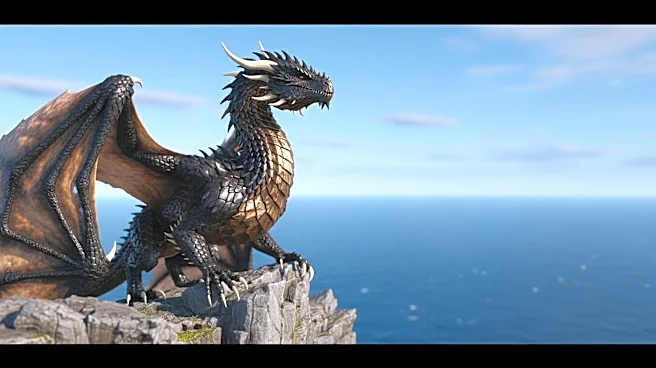
Every great trailer has a jaw-dropping 'money shot'—Vhagar unleashing a torrent of fire, two dragons clashing in the sky, or an army charging into battle. It's the moment designed to go viral and fuel speculation for the week. But these epic shots are often the most misleading. They give you the spectacle without the consequence. A dragon may appear to be burning a specific army, but the trailer might conveniently cut away before you see who they are actually attacking. A character might be shown charging into a hopeless fight, but the trailer won't reveal the surprise ally who turns the tide. These snippets are presented as definitive outcomes when they are really just the climax of a single, isolated moment. The full context could completely change who you perceive as the victor and who is the vanquished.
4. That an Advertised Character Has a Major Role
Sometimes a trailer will prominently feature a fan-favorite character or a long-absent face to generate buzz, making it seem like they will be central to the episode's plot. This is known in the industry as featuring an 'advertised extra'. While not always this extreme, a character might get a heroic, slow-motion shot in the trailer only to appear for a single, brief scene in the actual finale. Marketing teams know which characters drive conversation. A glimpse of a supposedly dead character returning or a minor player finally joining the fray is an easy way to get fans talking. But their screen time in the trailer is not proportional to their importance in the episode. This was a tactic sometimes used in marketing for Game of Thrones and continues to be a reliable way to stoke fan excitement without giving away the true focus of the narrative.
5. That the Trailer's Villain Is the True Threat
Editing can easily frame a character as the primary antagonist of an episode. Through menacing music and carefully selected reaction shots, a character like Aemond or Daemon can be made to look like the architects of every misfortune. However, the actual episode often reveals a more complex reality. The 'villain' of the trailer might be acting on incomplete information, or they could even be a tragic figure whose actions are taken out of context. The real threat might be quieter, operating in the shadows while the more obvious antagonist draws all the attention. The finale of a show like House of the Dragon is rarely about a simple good-versus-evil showdown. The trailer, however, needs a clear and compelling conflict that can be communicated in two minutes, so it simplifies the narrative, often creating a 'bad guy' who may not be the one viewers should have been worried about all along.