





More Than Just a Credit Roll
Let’s be honest: for decades, the opening credits were often a functional but skippable montage of smiling actors set to a catchy, if sometimes cheesy, theme song. It was a list of names, a contractual obligation. But in the modern era of prestige television,
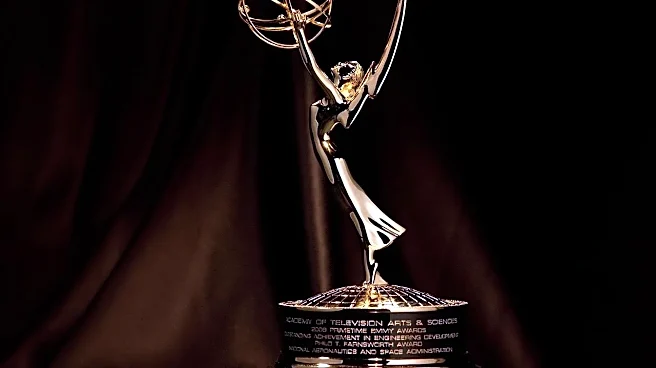
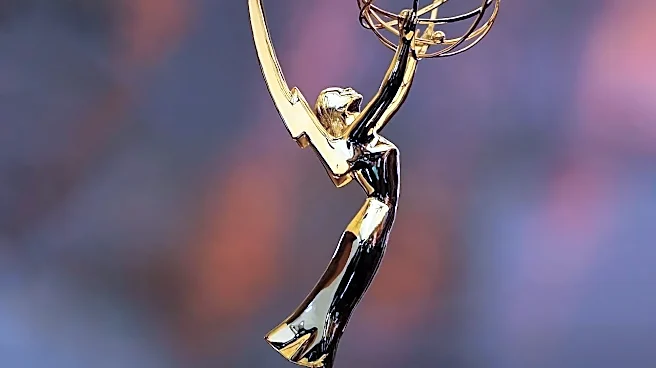
the main title sequence has evolved into something far more potent. It's no longer just the prelude to the show; it is the show in miniature. It’s a series’ first and most consistent branding statement, a visual and sonic handshake that sets the tone, establishes the world, and plants thematic seeds before a single line of dialogue is spoken. The Television Academy recognizes this art form with the Emmy for Outstanding Main Title Design, a category that celebrates the alchemy of graphic design, animation, music, and storytelling. The winning sequences aren't just pretty—they are narrative powerhouses.
The Secret: Distilling Thematic Essence
So, what is the single detail that separates a good title sequence from an Emmy-winning, instantly recognizable one? It’s not a specific visual effect or a typographic trend. The secret is thematic distillation. The best title sequences don't just show you what the series is about; they make you feel it. Every single element—from the font choice to the color palette to the musical score—works in concert to communicate the show's central, abstract idea. It’s about creating a metaphor that runs parallel to the plot. Think of it as the show’s soul made visible. This approach transforms the intro from a simple menu into the first chapter of the story, one that rewards repeat viewing by revealing new layers of meaning as the season unfolds.
Case Study 1: The Glitching Mind of 'Severance'
Look no further than Apple TV+'s Severance, which has been lauded for its main titles. The sequence, created by artist Oliver Latta, is a masterclass in thematic resonance. We see a 3D-animated version of Adam Scott’s character, Mark, in a series of bizarre and unsettling workplace vignettes. He’s subsumed by a black, goopy substance, his own clones perform mindless tasks, and his body glitches between his work and home personas. The animation is uncanny and sterile, perfectly mirroring the show’s corporate horror aesthetic. The sequence doesn't explain the plot of a surgically severed work-life balance, but it perfectly captures the feeling of a fractured identity, of being a cog in a soulless machine. Every surreal image reinforces the core theme of psychological division, making it a profoundly unsettling and unforgettable introduction.
Case Study 2: The Decaying Beauty of 'The White Lotus'
HBO’s The White Lotus provides another stellar example. While its hypnotic theme music won its own Emmys, the accompanying visuals are just as critical. Each season’s titles feature imagery that reflects the location—tropical wallpaper in Hawaii, Renaissance-era frescoes in Sicily—but with a crucial twist. As the credits roll, the beautiful imagery begins to show signs of decay, rot, and subtle chaos. Fruit molds, wallpaper peels, and classical paintings are overlaid with suggestive, modern details that hint at the sordid dramas of the guests. The sequence operates as a beautiful, slow-motion disaster. It tells you that beneath the luxurious, idyllic surface of this vacation paradise, something is deeply wrong. It’s a perfect metaphor for the privileged characters whose seemingly perfect lives unravel over the course of their stay.
The Unskippable Anthem
Of course, this thematic distillation is incomplete without the right music. The score is the emotional engine of a title sequence. The Emmy for Outstanding Main Title Theme Music is a separate but related category, and the most iconic shows often have themes that are inseparable from their visual identity. The fungal, mournful strings of The Last of Us, which won for its Main Title Design, immediately evoke a world of beautiful decay. The jaunty yet menacing harpsichord of The White Lotus or the stately, discordant piano of Succession do more than just provide a backing track; they are the sound of the show’s core conflict. When visuals and music align to serve the central theme, the title sequence becomes more than an introduction—it becomes an anthem. It becomes an essential part of the viewing experience that fans would never dream of skipping.