

1. Prioritizing Chest Size Over Shoulder Fit
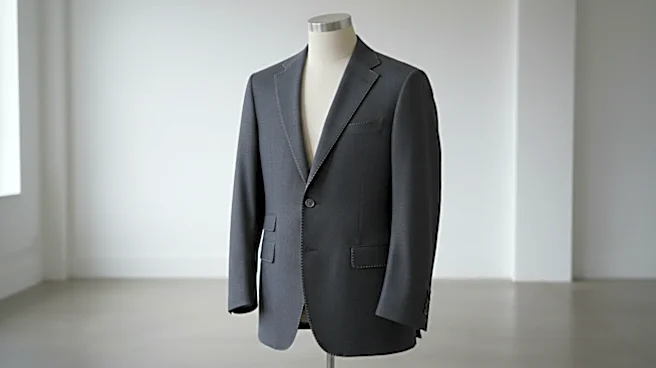
The absolute golden rule of fitting a jacket is to start with the shoulders. Many men with athletic builds buy a size up to accommodate a larger chest or lats, but this often results in shoulder seams that droop down the arm. A tailor can adjust almost
anything on a jacket, but reconstructing the shoulders is complex and expensive. If the shoulders don't fit, the rest of the jacket won't hang correctly, no matter what other alterations are made. Always choose a jacket where the shoulder seams sit perfectly at the edge of your natural shoulder. A good tailor can then take in the fabric around your chest and back for a more sculpted fit.
2. Ignoring the V-Taper
The hallmark of an athletic build is the “V-taper”—broad shoulders and a narrower waist. A standard, untailored jacket or shirt hangs straight down from the armpits, creating a boxy silhouette that completely hides this shape. This is often called the “parachute effect” in shirts. Don't be afraid to ask your tailor to be aggressive with shaping the torso. For jackets, this is called suppressing the waist. For shirts, adding darts in the back is a game-changing alteration that pulls excess fabric taut, accentuating your physique instead of drowning it.
3. Choosing the Wrong Trousers
Leg day enthusiasts know the struggle: finding pants that fit muscular thighs and glutes without having a massive gap at the waistband. Squeezing into slim-fit trousers is rarely the answer, as it can look restrictive and unbalanced. The key is to buy trousers that fit the largest part of your leg—usually the seat and thighs—and then have a tailor take in the waist and taper the leg. This approach gives you comfort and mobility where you need it while still achieving a clean, tailored line down to your shoe.
4. Settling for Billowy Sleeves
Just like a boxy torso, full-cut sleeves can add visual bulk where you don't want it and hide the definition in your arms. This is a commonly overlooked detail, but tapering the sleeves on both jackets and dress shirts makes a significant difference. The goal isn't to have them skin-tight, which can look uncomfortable and strain the fabric. Instead, you want a gentle taper from the shoulder down to the cuff that follows the natural shape of your arm, removing the excess baggy fabric without restricting movement.
5. Going Too Tight
There’s a fine line between a fitted garment and a tight one. While you want to eliminate baggy excess fabric, you don’t want the material pulling or straining. Horizontal stress lines across the back and chest, a lapel that bows outward, or buttons that look like they're holding on for dear life are all signs the fit is too tight. A well-tailored garment should skim your body, not cling to it. Not only does this look more sophisticated, but it also allows for a comfortable range of motion.
6. Underestimating Fabric Choice
The material of your clothing plays a huge role in how it fits and drapes, especially on a muscular frame. Stiff, unforgiving fabrics like some thick cottons have no give and can pull awkwardly across broad shoulders or large biceps. Whenever possible, look for fabrics with a small percentage of stretch. For suiting, high-twist wools and mohair blends offer natural breathability and flexibility that perform better than rigid materials. These fabrics work with your body's movements, providing a sharper and more comfortable fit.
7. Creating an Unbalanced Silhouette
Effective tailoring is about proportion. For example, pairing a well-fitted jacket with overly skinny trousers can create an unbalanced, top-heavy look. Similarly, wide lapels on a suit jacket can help broaden the chest and balance wide shoulders, whereas skinny lapels can make a muscular frame look disproportionately large. A good tailor doesn't just alter individual parts; they consider how all the elements work together to create a harmonious and flattering silhouette from head to toe.