







The Rise of the Soccer Brunch
For decades, the American weekend brunch has been an institution—a sacred time for avocado toast and mimosas. But international soccer tournaments are staging a coup. With many marquee matches kicking off in the morning or early afternoon on U.S. time,
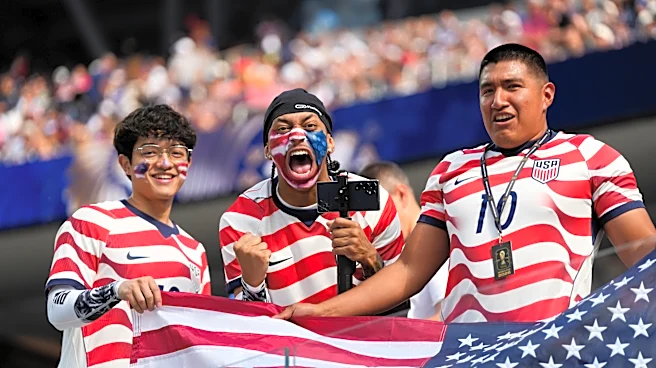
a new social ritual has emerged: the soccer brunch. Bars that once sat empty on Saturday mornings are now packed with fans in colorful jerseys, trading bloody marys for breakfast beers. The appeal is twofold: it’s an excuse to start the weekend festivities early and a way to tap into a communal, high-stakes global event. Unlike a leisurely brunch where conversation meanders, the soccer brunch is driven by a 90-minute narrative of tension and release. It’s an active, participatory social event that feels more urgent and exciting than its relaxed counterpart, transforming a simple meal into a shared emotional experience.
Your Office Slack Is the New Fan Zone
The days of sneaking a peek at scores in a hidden browser tab are over. As soccer’s popularity has surged, so has its visibility in the American workplace. Midday matches, once a productivity killer for a devoted few, are now becoming a source of company-wide camaraderie. Office Slack channels and Microsoft Teams chats light up with goal celebrations, referee complaints, and real-time analysis. Tech companies and more progressive offices have leaned into the trend, setting up projectors in common areas to stream big games. This shift reflects not only the rise of a more flexible, digitally native work culture but also soccer’s unique ability to unite a diverse workforce. In a country built by immigrants, a major tournament is one of the few events where you’ll find colleagues passionately rooting for dozens of different home countries, making the office a microcosm of the global competition.
The Summer BBQ Gets a New Focus
The classic American barbecue is a decentralized affair, with guests mingling around the pool, the grill, and the cooler. But when a big evening game is on, the party’s center of gravity shifts decisively toward the biggest screen. The television, once relegated to playing background music or a baseball game on low volume, becomes the main event. The menu might even adapt, with hosts opting for grab-and-go foods that don’t require a plate and fork, better suited for nervous snacking during penalty shootouts. This doesn’t mean the conversation dies; it just changes. Small talk is replaced by collective gasps, cheers, and groans. It’s a subtle but significant change, turning a laid-back social gathering into a focused, event-driven viewing party that channels the energy of a sports bar into a suburban backyard.
Why Is This Happening Now?
This isn't an overnight phenomenon. It’s the culmination of decades of slow-burn cultural change. The “Ted Lasso effect” made soccer culture feel accessible and charming, while the FIFA video game series groomed a generation of fans who know the players on a first-name basis. The continued growth of Major League Soccer (MLS), boosted by global superstars like Lionel Messi, has created local rooting interests and normalized the sport as part of the American athletic landscape. Furthermore, as the U.S. becomes more diverse, millions of Americans have organic, family-tied allegiances to teams from around the world. What we’re seeing is the maturation of soccer from a niche, youth-oriented sport into a mainstream cultural force that rivals the traditional American sports calendar. It’s no longer just a game; it’s a signifier of a more globalized, multicultural America.