




The One 'Secret' Rule to Remember
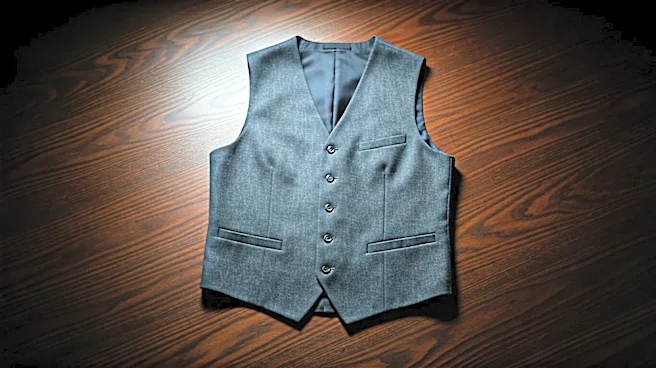
Let’s cut to the chase. The single most important rule for wearing a waistcoat—what Americans typically call a vest—is this: always leave the bottom button undone. That’s it. That’s the secret. It’s the sartorial equivalent of a secret handshake, instantly
signaling to those in the know that you understand the nuances of classic menswear. While it may feel counterintuitive to leave a piece of your outfit purposefully unfastened, doing so is the foundation of a clean, sophisticated layered look. Fastening that last button is the most common mistake men make, and it’s the one that immediately throws off the entire silhouette of a three-piece suit or a smart layered combination. It causes the fabric to pull and bunch, especially when you sit down, creating unsightly wrinkles and ruining the smooth lines the waistcoat is designed to create.
Why This Rule Actually Matters
This isn't just an arbitrary rule made up by fashion snobs. It has roots in both history and practicality. The most popular origin story points to Britain's King Edward VII in the early 1900s. A man of considerable girth and a lover of fine living, the King supposedly found his waistcoats too tight and began leaving the bottom button undone for comfort. Out of respect—or perhaps not to embarrass him—the rest of British high society and eventually the world followed suit. Whether that story is perfectly accurate or a convenient legend, the functional benefit is undeniable. A waistcoat is meant to be a close-fitting garment. When you leave the bottom button open, it allows the pointed tips of the waistcoat to flare out slightly over your hips. This prevents the garment from riding up and bunching around your waist when you sit down, preserving a clean line from your chest to your trousers and providing a far greater range of comfortable movement.
The Forgotten Rule: Perfect Length
While the button rule is the most famous, the second-most important element for a clean look is proper length. This is where many off-the-rack waistcoats fail. A correctly fitted waistcoat should be long enough to completely cover the waistband of your trousers and the top inch or so of your shirt. There should be no sliver of white shirt peeking out between the bottom of your waistcoat and the top of your pants. This visual gap, often called a "belt loop smile," instantly breaks the sleek, continuous line you’re trying to achieve. It looks sloppy and suggests an ill-fitting garment. When trying on a waistcoat, check this from all angles, including the back. It should drape smoothly over your lower back and fully cover the top of your trousers. For taller men or those with longer torsos, this might mean seeking out 'long' sizes or going for a custom-tailored option to get the proportions just right.
Putting It All Together: Shoulders and Chest
With the button undone and the length perfected, the final touches ensure a truly impeccable fit. The waistcoat should lie flat against your chest and shoulders without any pulling or gaping. The armholes should be high and snug; if they are too low, they will expose too much of the shirt underneath and can interfere with the sleeve of your jacket. When you button the waistcoat (all but the last one, of course), it should feel secure but not tight. You should be able to slide a hand between the fabric and your shirt, but not much more. If you see the fabric pulling into an 'X' shape from the button, it’s too tight. Conversely, if there's loose, baggy fabric around your torso, it’s too big and will create lumps under your suit jacket, defeating the entire purpose of its slimming effect.