

The Case for Sharp: Power and Precision
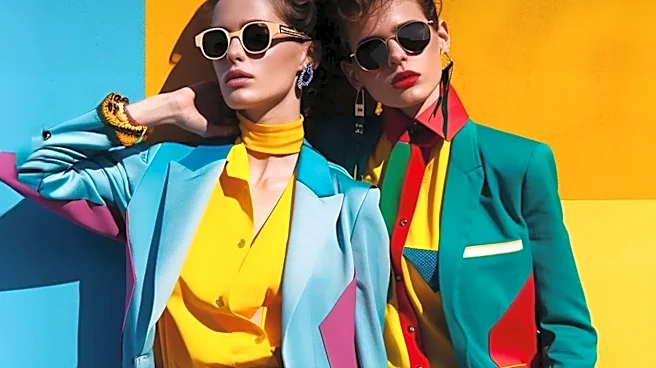
Sharp tailoring is all about structure and control. Think of a classic tuxedo or a suit with a defined, architectural silhouette. It relies on internal architecture—canvas layers and padding—to create a strong, clean shoulder line and a shaped chest.
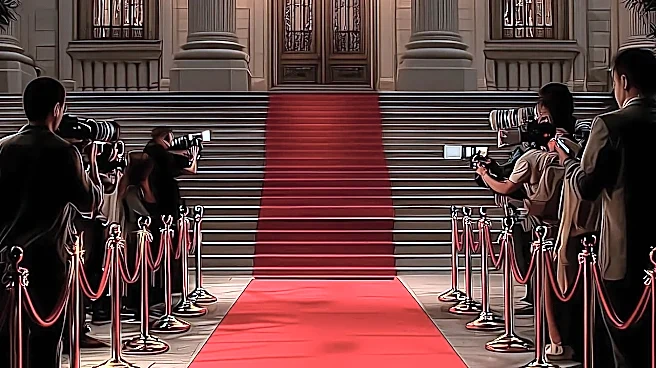
The goal is to frame the wearer, creating a silhouette that conveys confidence and authority. This style photographs beautifully, as its crisp lines and strong shapes aren't easily lost to movement or tricky lighting. It’s the traditional language of power dressing, an impeccably cut suit that announces its presence with quiet force. On a red carpet, this translates to undeniable polish. It’s the choice for a star who wants to project timeless elegance and control, a look that feels classic, intentional, and undeniably glamorous.
Sharp Tailoring in Action
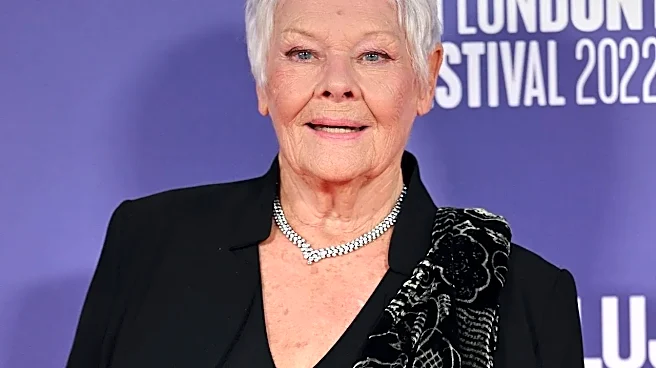
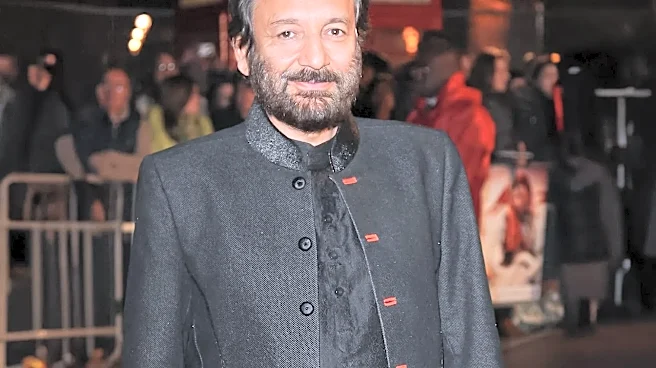
Celebrities often reach for sharp tailoring when the moment calls for high-impact formality. Think of the strong silhouettes seen at major awards shows like the Oscars, where double-breasted suits and tuxedos with prominent peak lapels create a powerful frame. These suits are defined by their precision; every seam and line is deliberate. While it has roots in traditional menswear, modern sharp tailoring can be seen on everyone, often used to create a striking, androgynous look or to simply command attention in a sea of flowing gowns. The effect is one of undeniable presence, a sartorial armor that communicates seriousness and style in equal measure. A star in a perfectly sharp suit isn't just attending the event; they are part of its architecture.
The Allure of Soft: Ease and Elegance
Soft tailoring is the ascendant philosophy in modern style, prioritizing comfort and a natural silhouette. It’s not about being shapeless; rather, it redistributes structure, using lighter fabrics, minimal lining, and a deconstructed shoulder that follows the body’s natural lines. The resulting look is fluid, relaxed, and sensual, designed to move with the wearer. This approach trades the rigid authority of sharp tailoring for an air of nonchalant sophistication. It feels less like a uniform and more like a personal expression of style, blending the lines between formal and casual. It’s a response to a world where comfort has become a luxury and effortless style is the ultimate status symbol.
Soft Tailoring's Festival Moment
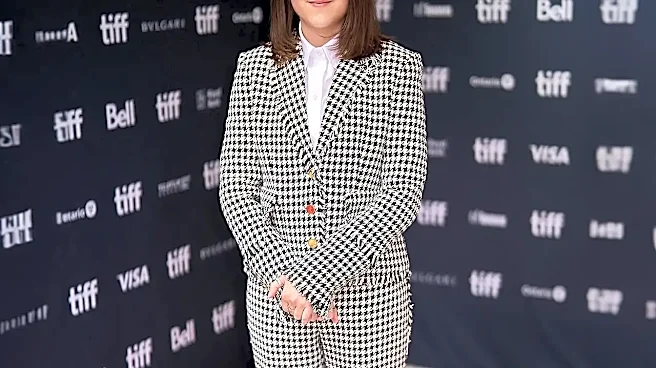
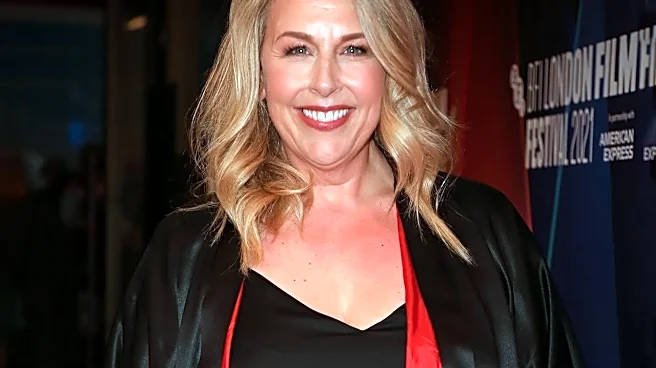
On the festival circuit—think Venice, Toronto, or Cannes—soft tailoring is having a major moment. These events often have a slightly more relaxed atmosphere than the Oscars, with daytime premieres and a more eclectic fashion sensibility. Here, a softly tailored suit in linen or a relaxed wool blend feels modern and chic. It projects a sense of 'quiet luxury', where the quality is in the fabric and the cut, not the rigid construction. Celebrities are embracing looser trousers, unstructured blazers, and monochromatic looks that feel both polished and profoundly comfortable. This style reads as confident and approachable, suggesting a star who is at ease in their own skin and their own clothes. It’s tailoring for real life, just elevated for the carpet.
The Verdict: Context Is Everything
So, which is better? The truth is, it depends on the message. Sharp tailoring will always be the king of high-stakes formality. It’s a statement of power, precision, and respect for tradition. For an event like the Academy Awards or a major gala, its structured glamour is often unbeatable. However, for the nuanced environment of a film festival, soft tailoring often reads as more modern and interesting. Festival style is less about playing a role and more about revealing personality. The relaxed, fluid lines of soft tailoring align perfectly with this shift. It allows for more personality, comfort, and a sense of 'sprezzatura'—a studied nonchalance that is magnetic on camera. While a sharp suit commands respect, a soft suit invites connection. And in the often-crowded, less formal setting of a festival carpet, that can be the more powerful statement of all.