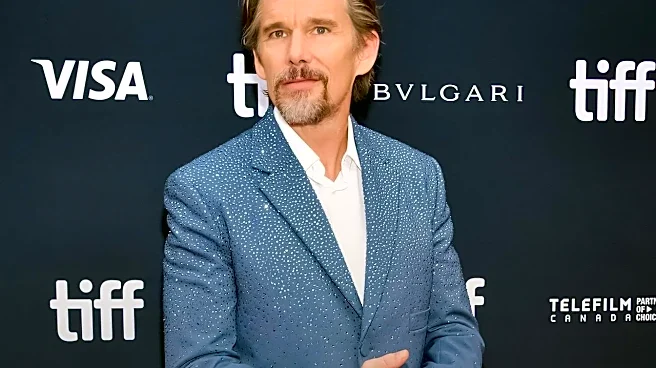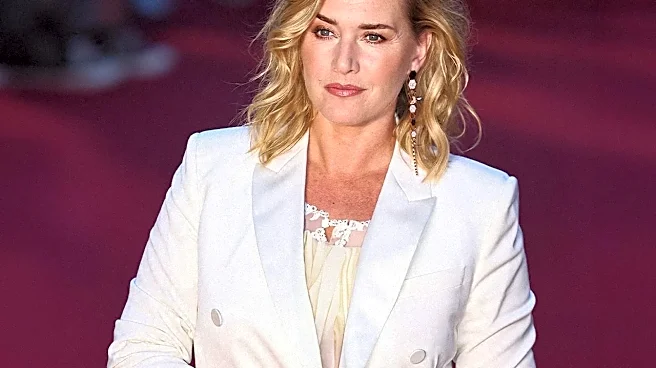

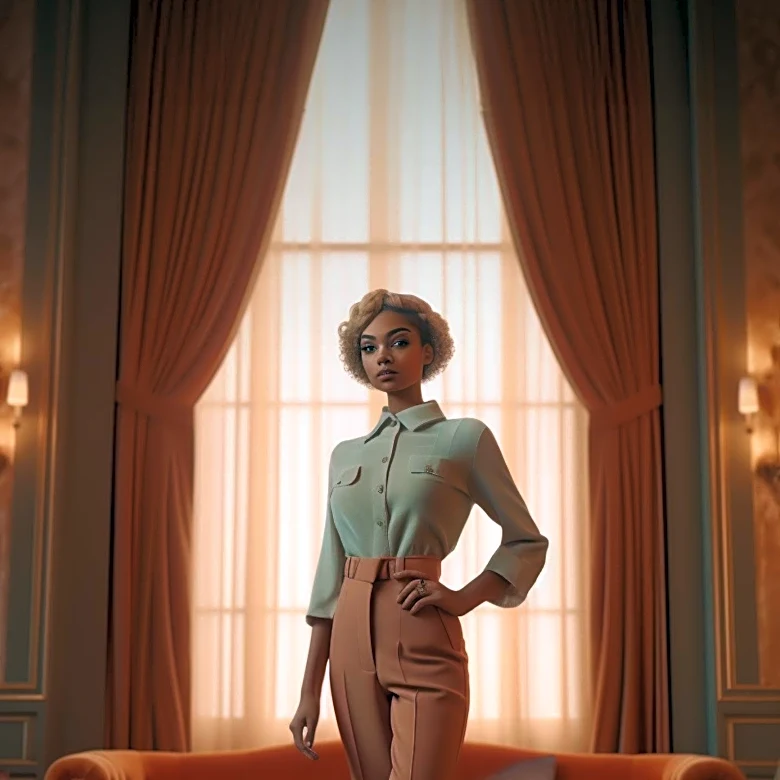

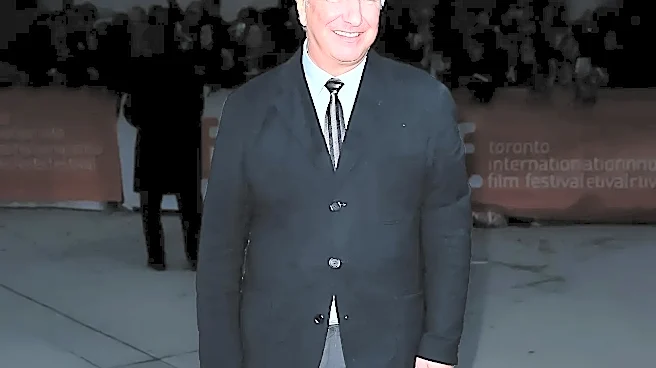
Fabric That Loves the Camera
The first decision is fabric, and not all materials are created equal under camera flash. Tailors and stylists often favor matte or low-sheen natural fibers like wool, which absorb light and prevent a cheap-looking shine. Medium-weight fabrics are ideal
because they hold their shape without looking stiff and are less prone to wrinkling during a long evening of sitting, standing, and walking. While some silks and satins can look luxurious, they are used with caution because they can reflect light harshly, show wrinkles, and reveal every pull line. For this reason, many red carpet pros stick with classic wool blends or textured fabrics that add richness without creating distracting hot spots in photos.
The Unforgiving Shoulder and Collar
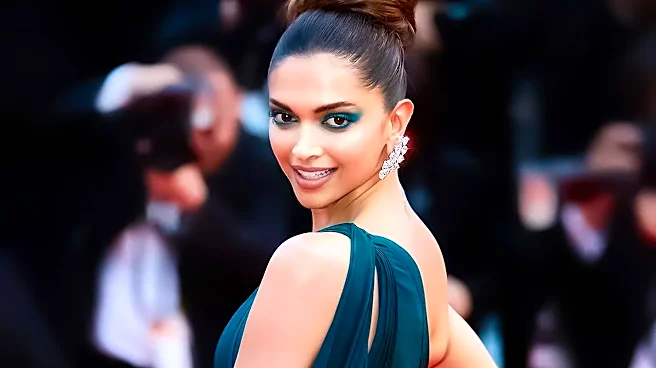
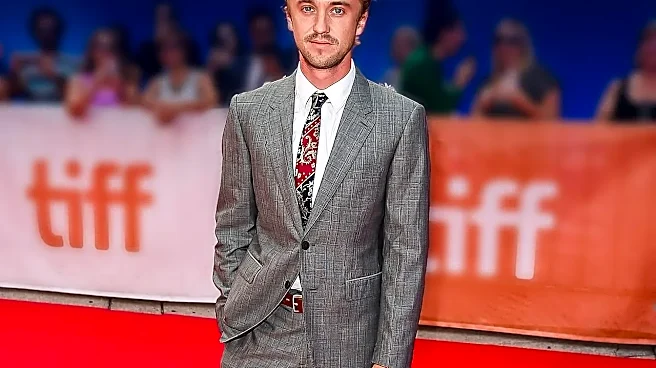
On camera, the shoulder line is paramount. Any pulling, bunching, or gapping is instantly visible and almost impossible to fix in photos. A tailor’s goal is to create a clean line that sits smoothly on the body. Just as critical is the jacket's collar, which should rest snugly against the shirt collar with no space in between. This ensures the jacket properly frames the face and torso, a detail that becomes even more important when an actor turns to look over their shoulder for photographers.
Perfecting the Sleeve Pitch
Sleeve pitch refers to the angle at which a sleeve is attached to the jacket's body, based on a person's natural arm posture. An off-the-rack suit assumes a standard posture, but a bespoke tailor adjusts this for the individual. For a red carpet, where an actor might be waving or posing with an arm bent, the tailor ensures the sleeve hangs cleanly without twisting or creating unsightly wrinkles when the arm is at rest or in motion. It’s a subtle but crucial adjustment that separates a good fit from a perfect one.
The All-Important Trouser Break
The “break” is the subtle fold of fabric that occurs where the bottom of the trousers meets the shoe. It’s a detail that photographers capture in every full-body shot. For a camera-ready look, most tailors aim for a slight break or even no break at all, creating a clean, uninterrupted line from the hip to the shoe. Too much fabric pooling around the ankles can look sloppy and shorten the leg, so tailors meticulously hem trousers to the exact millimeter, taking into account the specific shoes the star will be wearing.
The 360-Degree Fit Test
A suit for TIFF has to look impeccable from the front, side, and back. A tailor doesn't just fit the client while they stand still; they watch them move. They check how the jacket vents lay when walking, whether the seat of the trousers pulls when sitting, and if any part of the suit bunches up when leaning or turning. Celebrity tailor Carol Ai has even noted the need to sometimes add hidden stretch panels, like a gusset in the crotch, for performers who need more movement. This "action test" ensures the suit looks just as good in motion as it does in a static pose.
Mastering the Button Stance
The placement of the top button on a suit jacket—known as the button stance—is the anchor of the entire silhouette. A good tailor knows that placing this button correctly can create a more flattering V-shape on the torso, visually slimming the waist and broadening the shoulders. It’s a small detail that fundamentally affects the suit’s proportions. For the red carpet, where every line matters, this single button dictates how the entire jacket drapes and is a key point of focus during the fitting process.