







The Loneliness of the Crowd
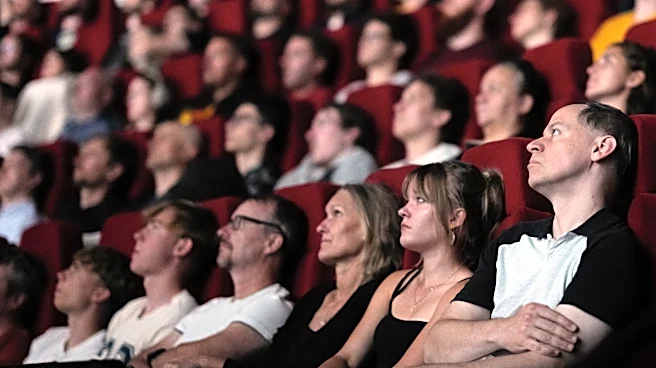
There's a specific type of isolation that can only be found in a large crowd. Psychologists call it 'perceived isolation'—the feeling of being unseen and unheard despite being physically surrounded by others. Your brain, wired for meaningful bonds, can register
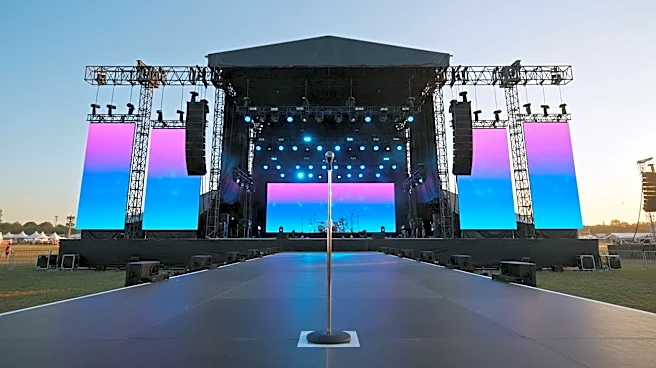
the anonymous, shoulder-to-shoulder experience of a concert or a packed premiere as a social void. The interactions are superficial, if they happen at all. You are one of thousands, a passive observer in a space filled with people who are also just passive observers. This experience can amplify feelings of loneliness because it highlights the gap between your physical reality and your unmet need for genuine connection. Everyone is looking forward at the stage or screen, not at each other. You are sharing a space, but you aren't sharing an experience in any interactive way.
The Architecture of Online Connection
Now, contrast that with watching the same event online. Whether it’s the series finale on a streaming service with a live chat, a video game tournament on Twitch, or a YouTuber’s premiere, the experience is fundamentally different. These aren’t just video players; they are social venues. Online communities are built on shared interests, creating a self-selected group of people who are already primed to connect. The environment is designed for interaction. A scrolling chat feed, custom emotes that serve as an inside language, on-screen polls, and donation alerts that trigger a response from the creator all work together to create a dynamic and responsive atmosphere. This digital architecture transforms viewing from a passive act into a collective, participatory event.
From Passive Observer to Active Participant
This is the crucial difference: activity versus passivity. In a physical crowd, you are a consumer of the spectacle. Online, you are a contributor. When you type “OMG!” into the chat, you are adding to the roar of the digital crowd. When you use a specific emote, you’re part of an inside joke. Studies on social media use show that active engagement—commenting, sharing, and creating—boosts feelings of connection, while passive scrolling can increase feelings of loneliness. Being an active audience member means you are engaging with, interpreting, and responding to the media in real time. Your comment might get a direct reply from the creator, or it might spark a conversation with another viewer. This feedback loop makes you feel seen and acknowledged in a way that simply standing in a field with 30,000 other people never could.
Finding Your Niche in the Digital Roar
Online platforms also allow for the rapid formation of micro-communities. In a massive live chat, you can find people who share your specific passion or point of view. You’re not just a fan of the show; you’re part of the sub-community that loves a particular character, or the group that correctly predicted the plot twist. This sense of belonging is powerful. These digital spaces offer a haven for those who might feel isolated in their offline lives, connecting people based on genuine enthusiasm rather than geographic convenience. The anonymity of the internet, often criticized, can here become a benefit, allowing people to express their authentic excitement without fear of judgment from those who don't 'get it'. This creates a space where connections feel more authentic because they're based on a shared, passionate interest, not just shared physical space.