



Meet the Main Character: The Silly Hat
The most visible culprit this season was the accessory-as-protagonist. At Bottega Veneta, the story wasn't just about the beautifully crafted clothes; it was about the hats. Reviewers and social media alike zeroed in on the quirky, impractical headwear
that dominated the runway. Models sported open-knit toppers with comically exaggerated pointed crowns and floppy, woven creations that seemed designed more for a theatrical production than a city street. Other brands like MM6 Maison Margiela joined in, showing deconstructed baseball caps with absurdly upturned brims. While intended to inject a dose of whimsy, these pieces perform a hostile takeover of the entire look. The viewer no longer sees an impeccably tailored coat; they see a woman wearing a strange hat. The craft and commercial potential of the clothing become secondary to the meme-able novelty item perched on top.
If the Shoe Doesn't Fit, Make it a Weapon
The same logic applied below the ankle. At Gucci, designer Demna continued his exploration of bourgeois disruption, but the accessories screamed the loudest. His collection featured what one critic dubbed “exaggerated, almost weapon-like heels.” These weren't just stilettos; they were sculptural statements so extreme they seemed to mock the very idea of walking. This is the mistake in its purest form: creating an item so impractical it poisons the entire outfit with its absurdity. No one is looking at the cut of the trousers or the drape of the silk when the shoe looks like it could double as a defensive tool. It transforms a model from a vision of future style into a character in a surrealist play, making the clothes she wears feel like a costume by association.
How One Bad Apple Spoils the Bunch
This isn't just about a few weird accessories. It’s about how their dominance in the post-show conversation taints the entire perception of fashion week. Milan offered plenty of genuinely inspiring and wearable ideas. Prada, for example, presented a masterful exploration of the skirt in over 60 different ways, a collection that was both intelligent and desirable. Jil Sander showcased a beguiling modern minimalism with subtly twisted tailoring that felt fresh and new. But when the viral moments and headlines are dominated by silly hats and weaponized shoes, the narrative shifts. The overarching message becomes that high fashion is unserious and unapproachable. The meticulous craftsmanship of a Dolce & Gabbana lace dress or the quiet elegance of an Armani suit gets lost in the noise. The contagion of impracticality spreads, reinforcing the tired stereotype that runway fashion is a joke.
What Gets Lost in the Spectacle
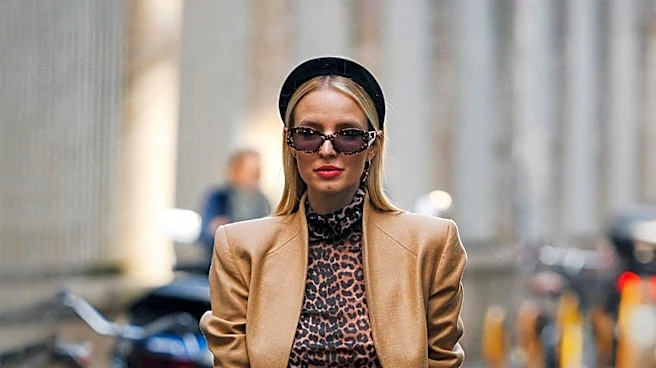
The ultimate irony is that while the runways championed cartoonish accessories, the streets of Milan told a different story. The city's best-dressed attendees showcased how to actually wear trends, favoring wearable pieces like pencil skirts, polished polo shirts, and chic cummerbunds. This is the disconnect that the runway “mistake” creates. Brands are so busy chasing a viral social media moment that they forget their primary purpose: to inspire people to buy clothes. By prioritizing a single, impractical gimmick, they miss the opportunity to show how their more grounded pieces can integrate into a real person’s wardrobe. They are selling a fleeting spectacle instead of a lasting aspiration. The result is an industry that feels increasingly out of touch, talking to itself in a language of absurdity while its audience looks elsewhere for genuine style inspiration.