




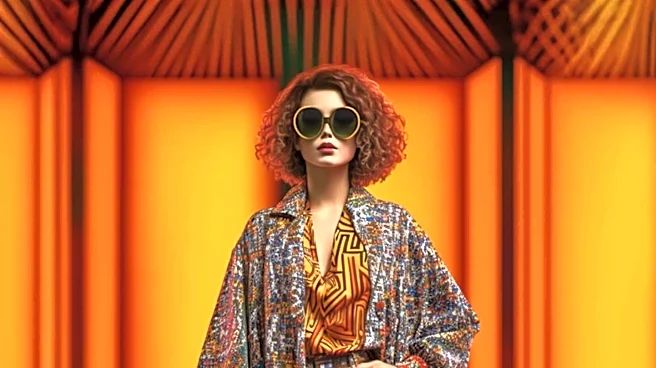
The 1970s: The Rebellion of Glam and Glitter
After the formal, buttoned-up aesthetic of the 1960s, where awards shows were dominated by classic tuxedos and modest gowns, the '70s artists blew the doors wide open. This was the decade of expressive, liberated style. Think of Cher's iconic appearance
in 1974, where her navel was on full display beneath a tiny butterfly bandeau top and a massive, sparkling butterfly hair clip—a far cry from the prim looks of the prior era. David Bowie, with his vibrant Ziggy Stardust persona, and Isaac Hayes in dazzling caftans, treated the red carpet not as a formal event, but as an extension of the stage. The reaction was clear: out with conformity, in with flamboyant, unapologetic individuality.
The 1980s: Power Dressing and Theatrical Excess
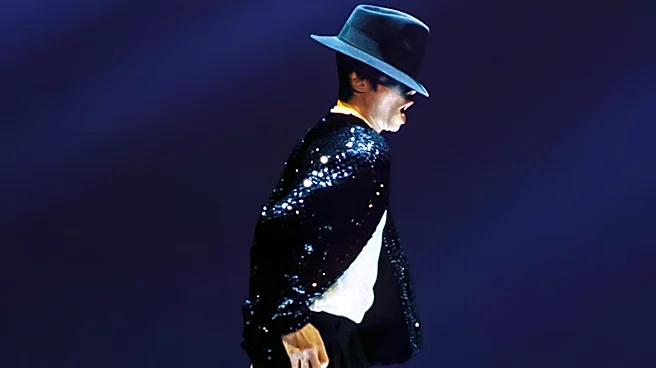
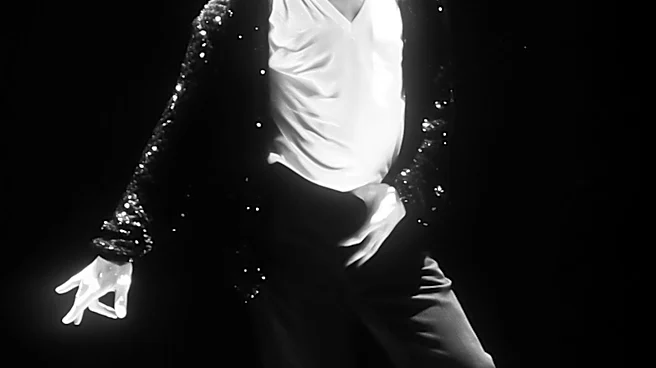
If the '70s were about free-spirited rebellion, the '80s were about manufacturing a statement. The laid-back, flowing silhouettes of disco and bohemia were tossed aside for structured, aggressive, and theatrical fashion. It was the era of excess, defined by huge shoulder pads, bold colors, and avant-garde shapes. No one embodied this more than Michael Jackson at the 1984 Grammys, where he collected a record eight awards in a sparkling blue and gold military-style jacket, complete with his single white glove. It was a costume, a statement of pop royalty. Grace Jones in 1983, with her wide-brimmed hat and futuristic outfit, also treated the event as performance art, pushing back against the '70s earthiness with something otherworldly and powerful.
The 1990s: The Deliberate Cool of Minimalism
The pendulum swung hard against the loud, performative excess of the '80s. The 1990s ushered in an era of intentional anti-glamour. The aesthetic was defined by clean lines, muted color palettes (black, white, grey), and an emphasis on the garment's cut over any embellishment. It was a confident, quiet rebellion. Think of Mariah Carey's simple black dress in 1991 or Paula Abdul's gold fringe cocktail dress in 1990—sleek and chic without shouting. The style, championed by designers like Calvin Klein and Helmut Lang, was a palate cleanser. It was a conscious move away from '80s theatricality, favoring an effortless, almost intellectual coolness that suggested the music—and the artist—spoke for itself.
The 2000s: The Viral Moment and the Return of Spectacle
After a decade of understated cool, the new millennium demanded to be seen. The reaction to '90s minimalism was an explosion of shock, awe, and internet-breaking spectacle. No outfit captures this better than Jennifer Lopez's green Versace dress from the 2000 Grammys. With a neckline that plunged well past her navel, the sheer silk chiffon look was so overwhelmingly popular that it directly led to the creation of Google Image Search. It wasn't just a dress; it was a cultural and technological flashpoint. This era wasn't about subtlety; it was about creating a moment designed to go viral before “going viral” was even a common phrase. Outfits from Destiny's Child in matching green ensembles and Toni Braxton's barely-there dress cemented the decade's reputation for headline-grabbing fashion.
The 2010s: Sculptural Art and Meme-Ready Moments
How do you react when the previous decade was defined by pure shock value? You get weird, conceptual, and artistic. The 2010s evolved from the raw provocation of the 2000s into something more like performance art. The undisputed queen of this era was Lady Gaga. Her arrival at the 2011 Grammys inside a giant, translucent egg (or "vessel") wasn't just an entrance; it was an incubation. Carried down the carpet, she was a living art installation before she even hit the stage to perform "Born This Way." This wasn't about being overtly revealing like J.Lo; it was about creating a bizarre, unforgettable, and highly meme-able image. Fashion became less about the dress itself and more about the architectural, sculptural, and often surreal story it told.