





The Digital Flea Market
Long before a runway show, editors are scrolling through resale apps like Depop. These platforms act as real-time indicators of what’s capturing the imagination of style-savvy individuals. When searches for niche items like '70s suede, vintage soccer
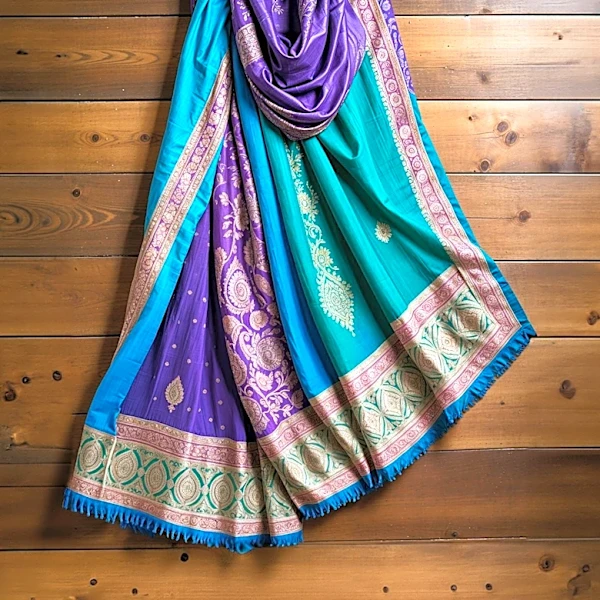
jerseys, or Y2K-era oversized sunglasses suddenly spike, it’s a clear signal. This isn't about looking at what's being sold, but what's being sought after and creatively styled. The revival of aesthetics like 'Sleaze Academia' or the demand for regal purple hues can often be seen on these platforms months before they are reinterpreted by luxury brands. It's a raw, user-driven mood board that predicts the styles people will crave next.
Scrolling Beyond the Algorithm
While TikTok is known for its fast-paced trend cycles, editors look for patterns that have staying power beyond a single viral video. They’re not just watching the popular dance challenges, but monitoring niche aesthetics that gain momentum, from 'balletcore' to 'mob wife.' These digital subcultures are where new style languages are born. An item or a way of styling something might start with a handful of creators before it gets a catchy '-core' name and explodes. Editors track these small shifts—a specific color combination, an unusual layering technique—seeing them as early indicators of a larger cultural mood. The key is to spot the aesthetic before it becomes a hashtag.
Street Style's New Capitals
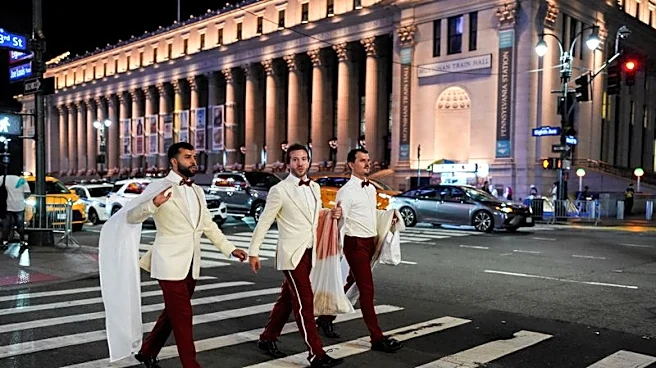
The sidewalks of New York, Paris, London, and Milan still offer plenty of inspiration, but the lens has widened. Street style in cities like Copenhagen, Seoul, and Tokyo is now just as, if not more, influential. Editors pay close attention to what fashion-forward locals are wearing in these creative hubs. It might be the way a trench coat is belted, the rise of a particular denim silhouette, or the comeback of an unexpected accessory. This is where personal style feels most authentic and less influenced by a globalized industry. These are the trends in their natural habitat, and they often provide the most honest glimpse of what's to come.
The Art and Culture Connection
Fashion doesn't exist in a vacuum. It’s deeply connected to art, music, film, and the broader cultural conversation. Editors stay ahead by looking outside of fashion for inspiration. They monitor the aesthetics of emerging indie bands, the color palettes in a new art gallery exhibition, or the wardrobe in a critically acclaimed film. For example, the 'indie sleaze' revival was bubbling up in online music circles long before it appeared on the runway. A trend is rarely just about a garment; it’s about a feeling. By tracking the cultural zeitgeist, editors can anticipate the moods and ideas that will eventually be translated into clothing.
Synthesizing the Signals
Spotting a single micro-trend isn't enough. The real skill lies in synthesis. A professional trend forecaster or seasoned editor sees a thread connecting disparate signals. They might notice a specific shade of yellow appearing in street style photos from Copenhagen, on vintage seller accounts, and in the work of a new ceramicist. When the same idea—a silhouette, a texture, a color—starts to emerge in multiple, unrelated places, that’s when a micro-trend shows its potential to become a macro movement. It’s about connecting the dots that others don’t see yet, transforming a whisper of an idea into the next big thing you’ll see on the runway.