






The Myth of Pure Improvisation
The first thing to understand about the dialogue in ‘The Bear’ is that it isn’t truly improvised. While some actors, like Matty Matheson who plays Fak, have mentioned improvising certain moments, the overwhelming consensus from the writers and cast is that the show
is meticulously scripted. Showrunner Christopher Storer and his writing team craft the show’s signature chaos on the page. The stutters, interruptions, and overlapping lines that feel so spontaneous are, in reality, carefully composed. This approach treats the script less like a simple guide and more like a musical score, where every verbal collision and moment of crosstalk is orchestrated to create a specific rhythm and texture. The illusion of spontaneity is the result of extreme precision, not a lack of it.
The Architecture of Chaos
So how do the writers engineer that feeling of a real, high-pressure kitchen? A key technique is deliberately scripting overlapping dialogue. In a typical TV show, characters wait politely for their turn to speak. In ‘The Bear,’ conversations are a battle for airspace, mimicking the way people actually talk, especially under stress. This forces the audience to feel the same sensory overload as the characters, immersing them in the kitchen's stressful environment. The sound design team plays a crucial role here, ensuring they capture clean audio of each actor even when they are speaking simultaneously, allowing the editors to mix the chaos perfectly in post-production. This technical execution is vital; without it, the carefully written cacophony would just be noise.
Grounded in Kitchen Vernacular
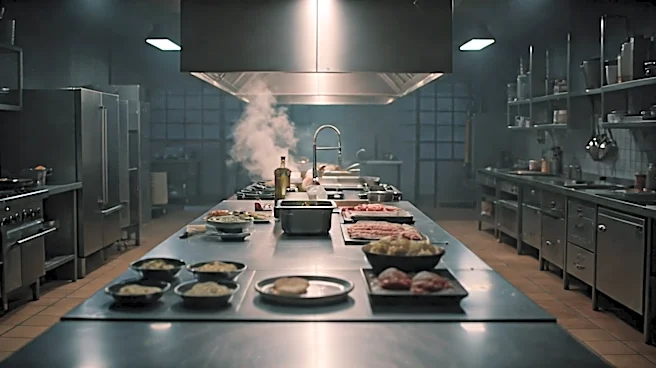
Part of what makes the dialogue feel so authentic is its deep roots in the real-world language of professional kitchens. The constant shouts of “Corner!” “Behind!” and “Yes, chef!” are not just flavor; they are the functional, rhythmic grammar of culinary professionals. The writers conducted extensive research and worked with culinary experts to ensure the language, pressures, and processes depicted were accurate. This commitment to verisimilitude grounds the characters in their profession. When Sydney or Carmy discuss the intricacies of a dish or the logistics of service, their language is precise and credible. This foundation of realism makes the more emotionally charged and chaotic moments feel earned, rather than like manufactured drama.
Performance as the Final Ingredient
A brilliant script can only go so far. The final element that sells the illusion of improvisation is the cast's incredible performance. Actors like Jeremy Allen White, Ayo Edebiri, and Ebon Moss-Bachrach are tasked with delivering this highly structured, overlapping dialogue in a way that feels utterly natural. Their ability to listen and react in real-time, even while sticking to the script, is what breathes life into the chaos. The process demands that they not only memorize their lines but also the precise timing of their interruptions and reactions. It's a testament to their skill that they can perform such a tightly choreographed verbal dance and make it look like they’re just figuring it out as they go. The result is a performance style that feels both heightened and deeply human.