



More Than Just a Famous Voice
It’s a common assumption in the podcasting gold rush: slap a microphone in front of a celebrity, and you have a guaranteed hit. The reality is far more complex. A famous host brings an initial audience, but that's just the start. A great producer is the one who
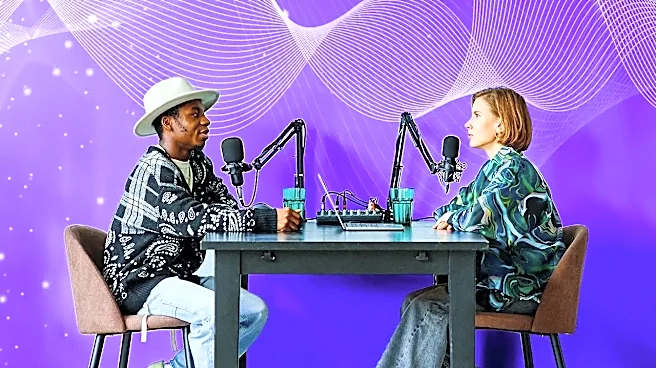
asks the crucial questions before a single word is recorded. What is the show's unique angle in a sea of look-alikes? What is the format—interview, narrative, or comedy panel? Who is the target listener? The producer is the architect who designs the entire blueprint for the show. They work with the host to transform a raw concept into a sustainable, compelling format that can keep listeners coming back after the initial novelty wears off. Without this foundational work, even the most charismatic host can end up with a show that's unfocused and, ultimately, forgettable.
The Unseen Showrunner
Think of the best television shows you’ve ever seen. They have a showrunner, a single creative force who guides the story, tone, and quality. In podcasting, that's the producer. While the host is the on-air talent, the producer is often running the entire operation behind the scenes. This involves everything from researching topics and booking the perfect guests to writing scripts or shaping outlines that play to the host's strengths. A producer can guide a conversation, ensuring it has a beginning, middle, and end, preventing the meandering chats that plague so many celebrity podcasts. Hrishikesh Hirway, who won an Innovator Award for his groundbreaking work on "Song Exploder," exemplifies this perfectly; his show's tight, revelatory format is a direct result of meticulous production, not just casual conversation. This creative partnership is where the magic happens, turning a host's personality into a structured, satisfying listening experience.
Crafting the Sound of Success
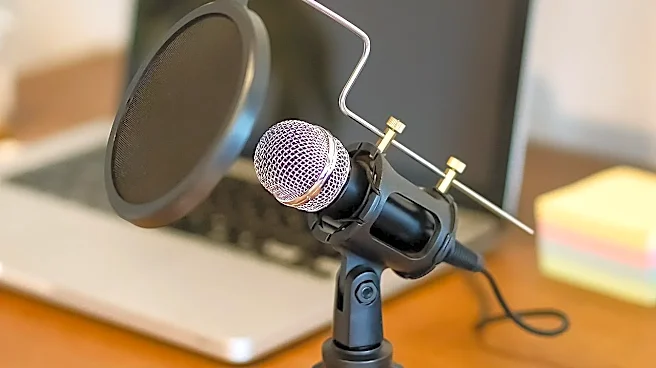
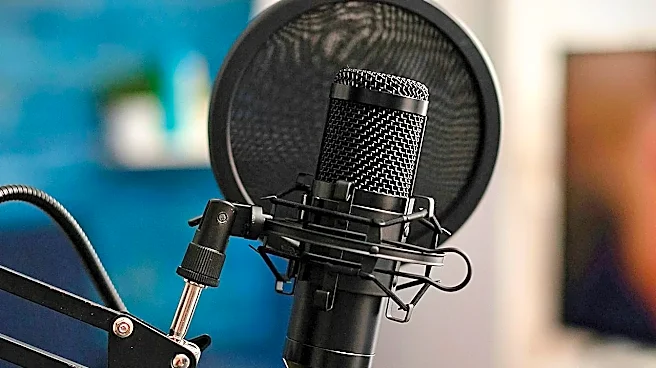
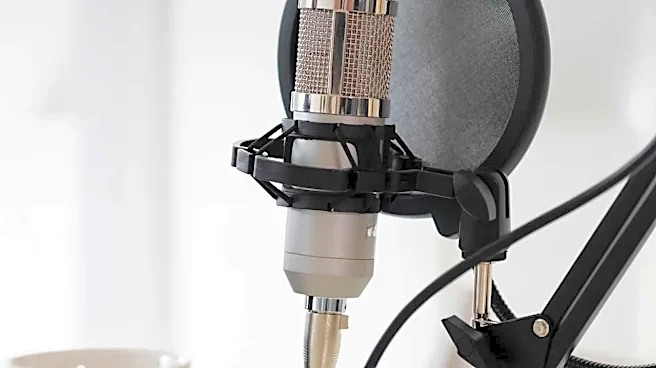
There's a reason why some podcasts sound rich, immersive, and professional, while others sound like a muffled phone call from a basement. That difference is almost always the producer. Beyond creative direction, the producer is the guardian of the show’s audio quality. This technical role is crucial. It includes everything from selecting the right microphones to overseeing the editing, mixing, and sound design. A skilled producer edits for pacing, removes awkward pauses, and adds music or sound effects that enhance the story without being distracting. This is what elevates a podcast from a simple recording to a polished production worthy of consideration by awards bodies like The Ambies or Signal Awards, where craft is heavily scrutinized. A famous voice can't overcome bad audio, but a great producer ensures the voice shines in its best possible light.
The Secret Weapon in a Crowded Field
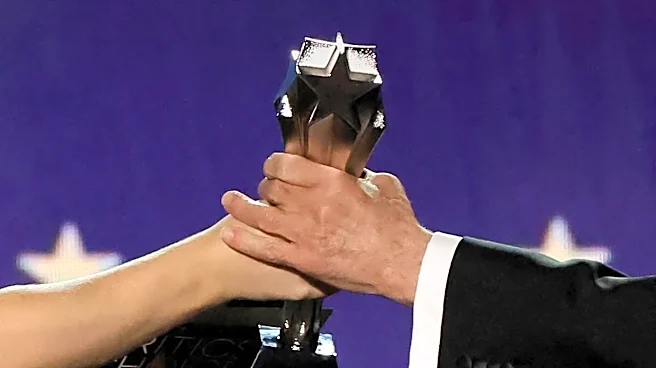
The podcasting universe is more saturated than ever. To stand out and compete for a coveted prize like the iHeartPodcast Awards' "Podcast of the Year," a show needs more than just a big name. It needs a distinct identity. Looking at recent winners like "Giggly Squad" or nominees like "Heavyweight" reveals a common thread: a unique and well-executed concept. A producer is the strategic partner who helps create that identity and maintain its quality week after week. They push the host to be better, challenge lazy ideas, and ensure every episode meets a high standard. In a landscape where listeners and award judges have endless choices, the polish, narrative drive, and creative spark provided by a talented producer is no longer a luxury—it's the essential competitive advantage that turns a good podcast into an award-winning one.