



More Than Just a Party
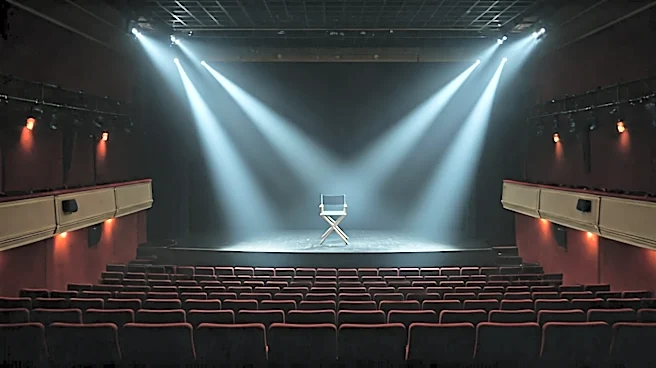
First, let’s get one thing straight: film festivals like Tribeca, Sundance, and Toronto are not just glamorous parties and red carpets. At their core, they are fiercely competitive marketplaces. For an independent filmmaker who has spent years begging,
borrowing, and pouring their soul into a project, a festival premiere is the ultimate job interview. This is where their film, which has no major studio backing, gets its one big shot to find a home. The audience isn't just cinephiles; it's populated with acquisitions executives from Netflix, Hulu, Apple TV+, Amazon Studios, and traditional distributors like A24 and Neon. They are all hunting for the same thing: the next 'CODA' or 'Past Lives'—a film that can generate buzz, win awards, and, most importantly, attract and retain subscribers.
The Currency of Buzz
The moment the credits roll, a frantic, invisible process kicks into gear. It starts with buzz. Did the audience give it a standing ovation? Are critics immediately tweeting their praise from the theater? Positive word-of-mouth spreads like wildfire through the festival grounds. A film that enters the festival as an unknown can become the “hot ticket” overnight. This buzz is currency. It signals to buyers that a film has commercial potential and cultural relevance. Behind the scenes, the filmmaker’s sales agents—specialists hired to negotiate distribution deals—are already fielding calls. They orchestrate a careful dance, arranging private screenings for interested buyers and stoking a sense of competition. The goal is to create a bidding war, driving up the price and securing the best possible distribution plan for the film.
Anatomy of a Streaming Deal
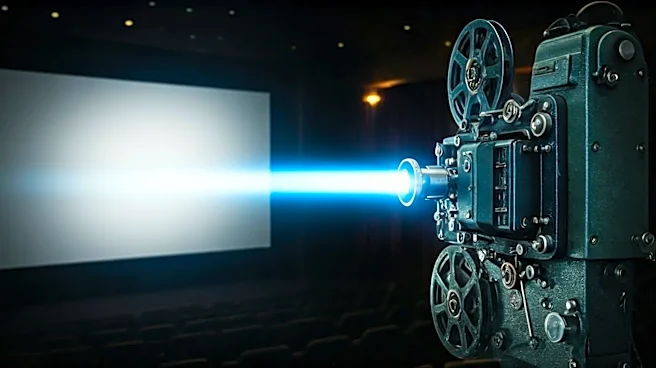
So, what are these buyers actually buying? They're bidding for distribution rights, which can be sliced and diced in countless ways: theatrical rights for a cinema run, video-on-demand rights, and, crucially, subscription video-on-demand (SVOD) rights for streaming. For a global streamer like Netflix, a worldwide rights deal is the holy grail. They can acquire a film at Tribeca for, say, $5 million and launch it simultaneously in 190 countries, instantly adding a “prestigious” new title to their library without the overhead of a traditional theatrical marketing campaign. The negotiation isn't just about the price. It involves commitments on marketing spend, the release date, and whether the film will get a qualifying theatrical run to be eligible for the Oscars—a key consideration for filmmakers dreaming of awards.
Why Streamers Need the Pipeline
You might wonder why companies that spend billions on their own original productions need to go shopping at festivals. The answer is simple: content velocity and variety. The streaming wars are an arms race. To keep subscribers from canceling, services need a constant firehose of new, interesting things to watch. Independent films offer a cost-effective way to fill the pipeline with diverse, creator-driven stories that a studio’s internal development process might never greenlight. These films often come with a built-in narrative of artistic struggle and discovery, which streamers can use in their marketing. Buying a festival hit is cheaper and faster than developing a movie from scratch, and it provides a stamp of curatorial approval that money alone can't buy.
The New Path to an Audience
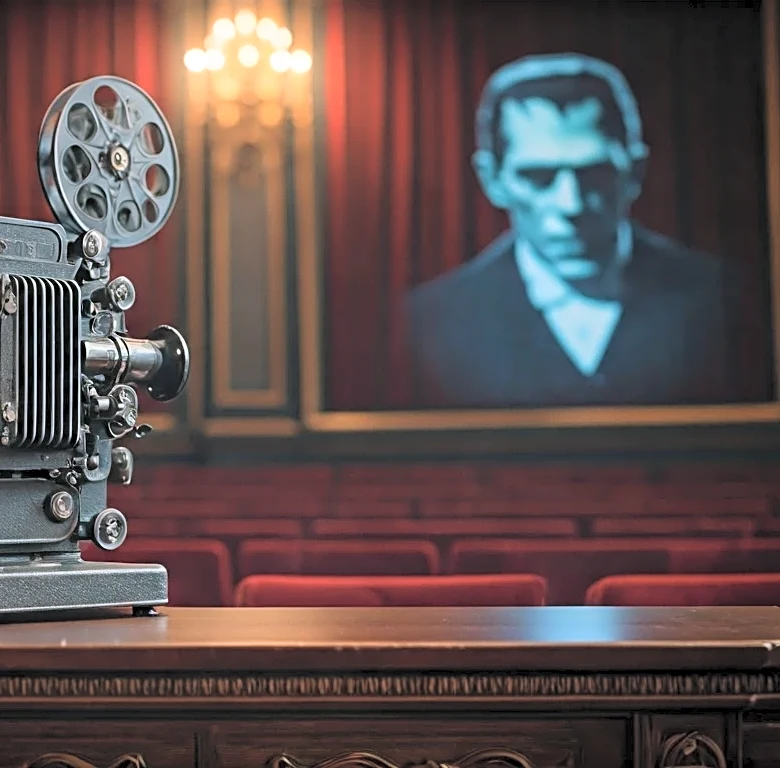
For filmmakers, this pipeline is a double-edged sword. A multi-million-dollar deal with a streamer can mean financial stability and a massive global audience that would have been unimaginable a decade ago. It’s a chance for a small, personal story to be seen by tens of millions of people. However, it often means sacrificing a traditional, robust theatrical release. The film might appear on a crowded streaming homepage for a few weeks before getting lost in the algorithm. For the viewer, the benefit is clear: unprecedented access to a world of independent cinema from the comfort of your couch. The small film that premiered to 300 people in a New York screening room can now be discovered by anyone, anywhere.