










From the Stands to the Street
Not long ago, wearing a full team kit outside of a stadium or a pickup game was a fashion faux pas, the adult equivalent of wearing superhero pajamas to the grocery store. It signaled you were either a die-hard fan on game day or, perhaps, a tourist.
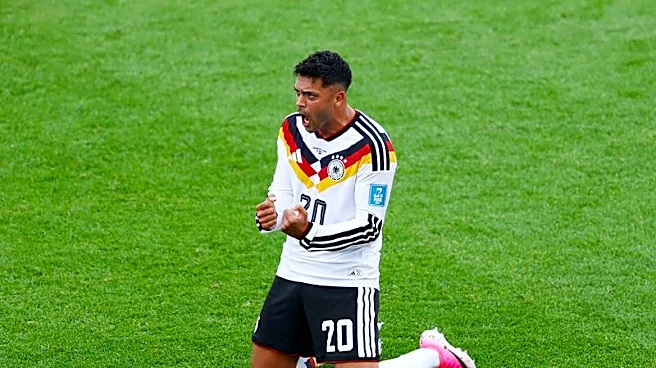
Today, that stigma has completely evaporated. The soccer jersey has officially broken containment, moving from the arena to the realm of everyday style. This phenomenon even has a name: “Blokecore.” Popularized on social media, the aesthetic pairs vintage or current soccer jerseys with casual items like jeans, track pants, or loafers. It’s a relaxed, retro-inspired look that values authenticity over pristine formality. But it’s more than just a fleeting TikTok trend; it’s the visible symptom of a deeper change in how we relate to sports apparel. The jersey is no longer just for cheering; it’s for living.
The New Badge of Identity
For many Americans, a soccer jersey is a powerful and immediate way to signal heritage and cultural connection. In a nation of immigrants and their descendants, wearing the national team kit of Italy, Mexico, Nigeria, or Korea is a proud declaration of identity that transcends sports. It’s a conversation starter and a symbol of belonging, especially for diaspora communities. During a World Cup or Copa América, these shirts transform city blocks into mosaics of global pride. It’s a way of saying, “This is where my family is from,” or “This is a culture I connect with.” This goes beyond simple ancestry. Supporting a club like Argentina’s River Plate or England’s Arsenal can signify an appreciation for a certain style of play, a political leaning, or a connection to a global community of fans you’ve only met online. The jersey isn't a souvenir of a place you visited; it's a passport to a tribe you belong to.
Designed for Hype, Not Just the Pitch
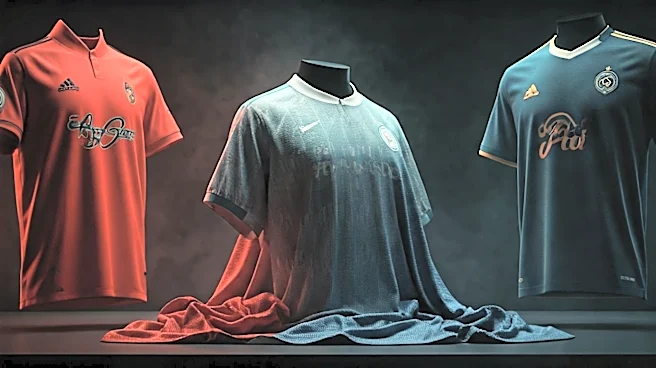
The transformation of soccer merch wasn’t an accident; it was a calculated business decision. Apparel giants like Nike and Adidas realized they weren't just outfitting athletes—they were creating fashion. They began treating jersey launches like sneaker drops, with limited-edition runs, bold artistic designs, and marketing campaigns aimed squarely at the style-conscious. The watershed moment was arguably Nigeria's 2018 World Cup kit. With its electrifying green-and-white zig-zag pattern, it sold out globally after receiving millions of pre-orders. It was worn by people who couldn’t name a single player on the team. Brands now routinely collaborate with fashion designers and artists, creating third and fourth kits that are pure lifestyle plays, never intended to be the primary on-field uniform. They are designed to be collected, coveted, and worn as statement pieces, complete with a resale market that rivals that of rare sneakers.
America's Evolving Fandom
For decades, soccer was a niche sport in the U.S. But as the game’s popularity has surged, American fandom has matured. Thanks to streaming services making international leagues accessible and social media connecting fans globally, the average American supporter is more sophisticated than ever. They don’t just watch the game; they consume the culture around it. This new generation of fans appreciates the global aesthetic, the history embedded in a club’s crest, and the artistry of a well-designed kit. They follow transfer rumors on Twitter, debate tactics in Reddit forums, and see jerseys as a way to participate in a worldwide conversation. The U.S. market is no longer an afterthought for European clubs and global brands; it's a primary target for growing their cultural and commercial footprint, and the jersey is their Trojan horse.