
More Than Just a Cinch
For seasons, the belt was an afterthought, a functional loop of leather or a subtle flash of hardware. But across the runways of London this past week, from the returning British powerhouses like McQueen to emerging talents, the belt has been promoted
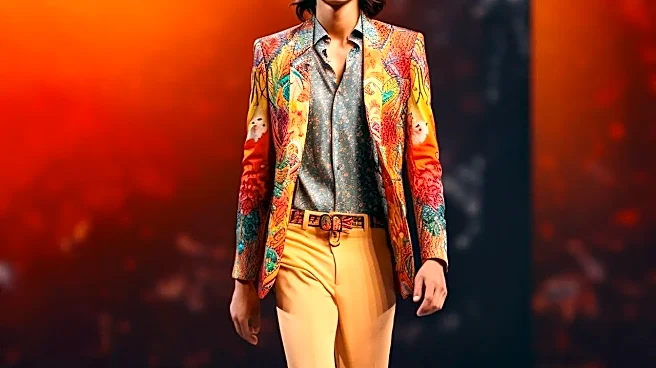
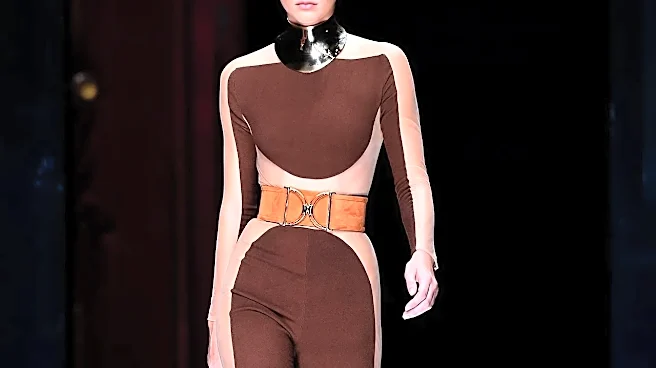
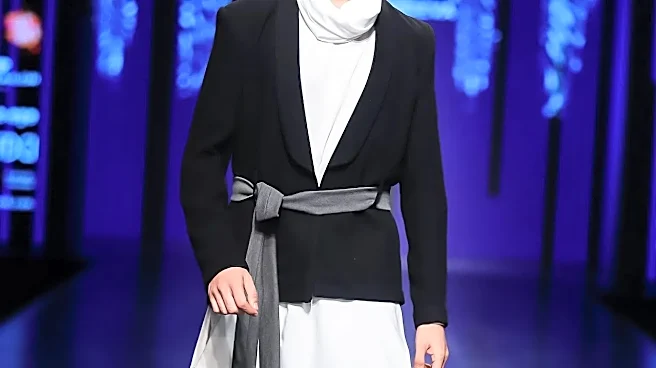
to a starring role. Designers are using it to do far more than just cinch a waist. They’re using it to create new shapes, to interrupt the flow of a garment, and to impose a new visual logic on everything from oversized coats to fluid dresses. The conversation has shifted from accessorizing an outfit to actively changing its silhouette. A wide belt over a bulky blazer doesn't just add a focal point; it carves out an hourglass shape from a boxy form. A skinny belt over a straight dress doesn't just define the waist; it creates two new proportional blocks, changing how the eye perceives the length of the torso and legs.
The Power of Placement and Proportion
The real story on the London runways is where the belt is placed. We’ve seen belts worn high on the ribcage to create an empire-waist effect on an otherwise shapeless coat, a trick that elongates the entire lower body. Others are slung low on the hips, a nod to Y2K nostalgia that gives a slouchy, relaxed feel to tailored trousers or even dresses. This isn’t just about looking cinched; it's about architectural placement. An oversized blazer suddenly gains structure, a bulky knit becomes more defined, and a simple dress feels more intentional when a belt is added. Some designers are even layering belts, using two thin straps to create a more deliberate and texturally interesting focal point, proving that the effect is as much about the artistic composition as it is about function.
Material, Texture, and Attitude
The belt's material is its own form of communication. The Fall/Winter 2026 season has been full of statement belts that do more than just hold things together. Chunky, wide leather belts worn over coats communicate a sense of powerful, defined structure. By contrast, a delicate chain belt, perhaps with stone insets, worn low on the hip over a silk dress, signals a completely different, more jewelry-led mood. London’s runways have showcased an eccentric and punk spirit, with some designers using belts with enormous, armor-like buckles or even crafting them from unconventional materials. These choices show that a belt can do more than just shape an outfit; it can also define its attitude, pushing it from classic to subversive with a simple switch of texture and hardware.
The Unconventional Approach
The most exciting use of the belt is when it abandons its traditional role entirely. Designers in London are treating the belt as a free-floating design element. At some shows, models wore two belts knotted at the side over a simple dress, creating an asymmetrical point of interest. Elsewhere, fringed leather belts were styled over trousers, acting more like a wearable art piece than a practical accessory. This move away from utility and toward pure style is where the idea of "rewriting geometry" truly comes alive. It's no longer about what a belt does—it's about what it suggests. By breaking the rules of where and how a belt should be worn, designers are forcing us to see the clothes underneath in a completely new light, proving that sometimes the smallest accessory can make the most significant statement.