




Follow the Sound Engineer's Lead
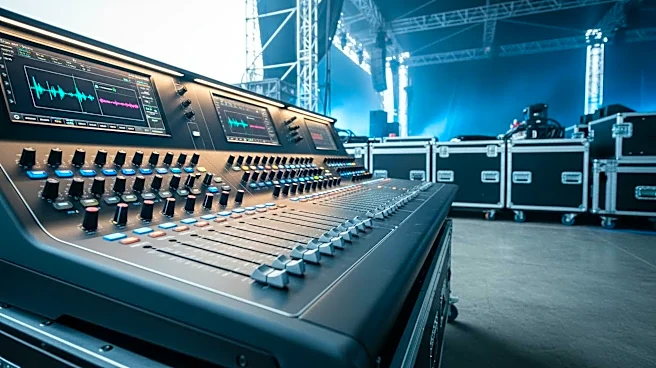
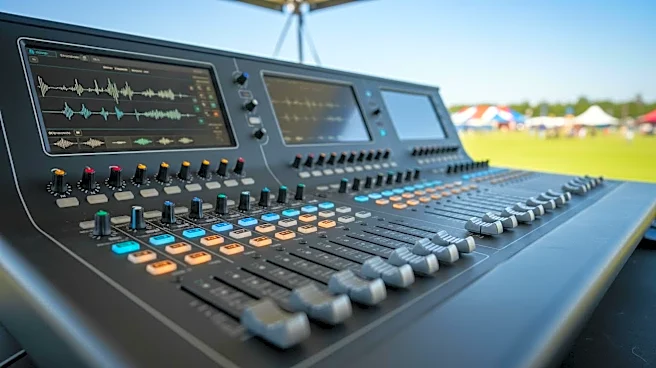
The single most repeated piece of advice from audio professionals is simple: find the soundboard. This area, known as Front of House (FOH), is where the sound engineer stands, actively mixing what the entire audience hears. They are crafting the show's
audio to sound perfect from their exact position. This makes the area directly in front of, or slightly behind, the FOH tent or platform the audio 'sweet spot'. You'll get the balanced mix the artist and engineer intended, with clear vocals, distinct instruments, and powerful, but not overwhelming, bass. It’s the one place in the venue guaranteed to have the optimal sound.
Master the Stereo Triangle
Music at a concert is almost always mixed in stereo, with different sounds coming from the left and right speaker stacks. To hear that stereo image correctly, you need to be positioned where the sound from both sides can reach your ears at roughly the same time. Standing too far to one side will cause you to predominantly hear only one channel, making the mix feel unbalanced and incomplete. Imagine a triangle with the two main speaker stacks as the base and your head as the top point. For the best audio fidelity, you want to be near the centerline of that triangle, which is why the FOH position is naturally so effective.
Beware the Audio Dead Zones
Just as there’s a sweet spot, there are several areas notorious for bad sound. The very front, right against the barricade, is often one of the worst. You're blasted with volume from stage monitors and amps, not the main PA system, resulting in a chaotic, unbalanced sound. Other problem areas include being directly under or behind large speaker arrays, which can be painfully loud and bass-heavy. In indoor arenas, standing directly against side walls or under deep balconies can create muddy sound with weird echoes and reflections. Knowing where not to stand is half the battle.
Read the Crowd as Much as the Stage
The 'best' spot isn't just about audio physics; it's about your personal comfort and desired experience. Crowds naturally segment themselves into zones. The front and center is for the most intense, high-energy fans. Further back, you'll find a more relaxed, spacious area for those who want to dance or just vibe. Observe the flow of people. Look for pockets of space that offer a good sightline without putting you in a high-traffic corridor for people heading to restrooms or concessions. Choosing a spot on the edge of a less-dense zone often provides the perfect blend of good sound, a decent view, and the freedom to move.
Adapt to the Venue Type
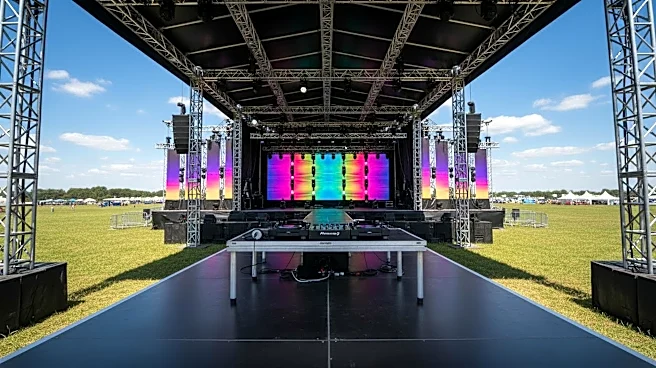
Your strategy should change depending on the environment. At a massive outdoor festival, sound dissipates quickly and can be affected by wind. In these settings, look for the 'delay towers'—smaller speaker stacks placed throughout the crowd. Positioning yourself just in front of one of these towers can give you a much clearer and more direct sound than being in the no-man's-land far from the main stage. In a small club, sound reflects off every surface, so staying away from the walls is key to avoiding a boomy, indistinct mess. For amphitheaters, the natural slope often provides great sightlines, but the sweet spot for sound remains central.