




Anxiety in the Toy Box
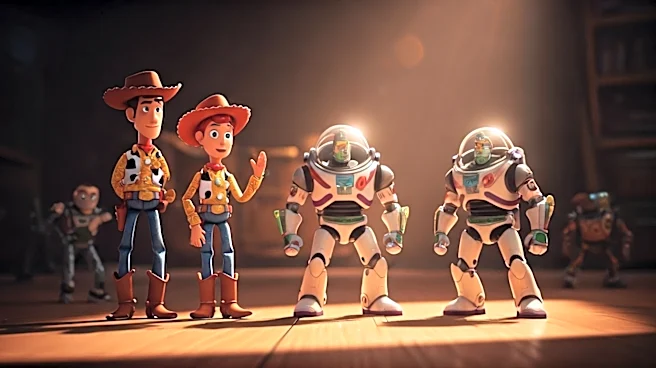
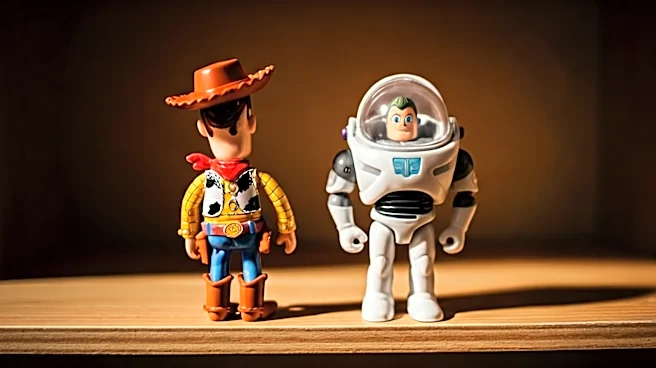
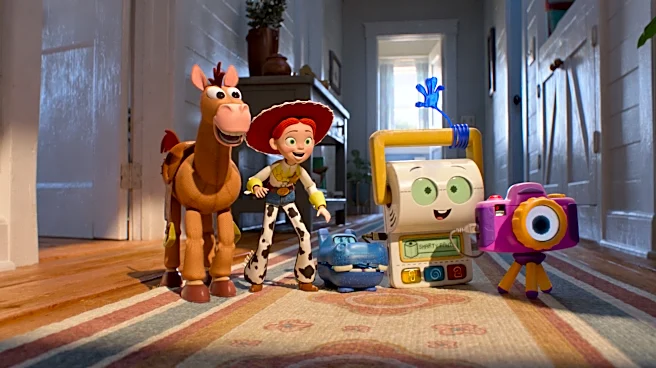
From the moment Buzz Lightyear crash-landed in Andy’s bedroom, the Toy Story saga has never really been about toys. It’s been about our fear of replacement. In 1995, Woody’s panic wasn’t just about a cooler, sleeker toy; it was a perfect stand-in for
the anxieties of aging, of being rendered obsolete by the new and exciting. Buzz was a metaphor for every disruptive technology or cultural shift that threatens the status quo. He had lasers, wings, and a voice box that spoke in confident marketing slogans. Woody had a pull-string and the comparatively quaint charm of a 1950s TV show. The conflict was a brilliant, kid-friendly allegory for the perennial clash between the traditional and the modern, a battle that has defined every subsequent chapter of the story.
The Evolving Nature of Obsolescence
Pixar masterfully evolved this core theme with each film. Toy Story 2 questioned the very purpose of play, pitting a life on a shelf as a prized collectible against the messy, finite joy of being loved by a child. Toy Story 3 tackled the ultimate existential dread for a toy: being outgrown. The horror of Sunnyside Daycare wasn’t just its prison-like atmosphere; it was the chilling reality of a world where a toy’s primary purpose is gone forever. Then, Toy Story 4 deconstructed the entire premise, suggesting a toy could find fulfillment outside its relationship with a single owner. Each film presented a new stage of irrelevance for Woody and the gang to confront. They’ve battled new toys, neglect, and the passage of time. But they have yet to face their most formidable, most abstract rival.
The Ultimate Rival: The Screen
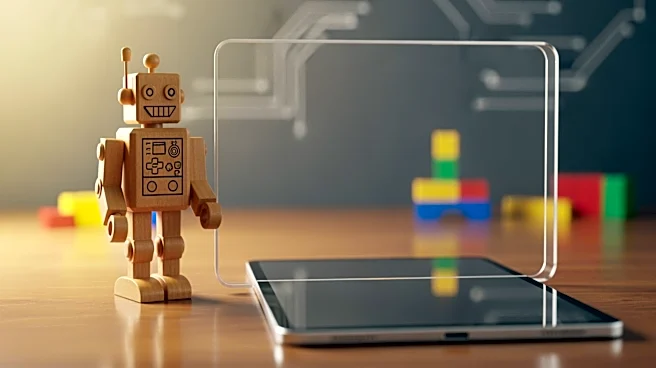
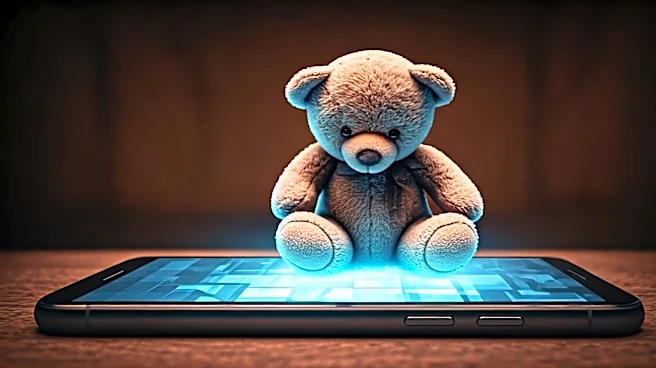
Enter the iPad. The smartphone. The Nintendo Switch. For today’s parents, the “screen-time panic” is the dominant anxiety of child-rearing. It’s a nebulous fear that a glowing rectangle is stealing their child’s imagination, social skills, and attention span. Now, imagine that anxiety from a toy’s perspective. This isn’t another Buzz Lightyear—a physical object you can confront, trick, or eventually befriend. The screen is an intangible portal to another world. It doesn’t live in the toy chest. It doesn’t have a personality. It demands nothing of a child’s imagination and, in return, offers an endless, algorithm-driven stream of stimulation. For Woody, Buzz, and Jessie, the screen is the ultimate enemy. How do you compete with a rival that contains every cartoon, every game, and every unboxing video ever made? How can a simple plastic cowboy possibly win a child’s attention back from YouTube?
A Story for the Parents in the Room
This is where Toy Story 5 has the potential to be more than just a cash grab; it could be the most culturally resonant chapter yet. The franchise has long since become a story for the adults in the audience—the Gen Xers and millennials who grew up with Andy and are now raising kids of their own. A film that frames the screen-time debate through the eyes of beloved characters would be less a movie for children and more a therapy session for their parents. It would give form to our vague fears, transforming the abstract concept of “too much screen time” into a tangible, emotional narrative. We could watch Woody, a character synonymous with the purity of analog play, grapple with his own obsolescence in the face of an iPad. It would be a story about us, our guilt, our nostalgia, and our struggle to parent in a world we barely understand ourselves.