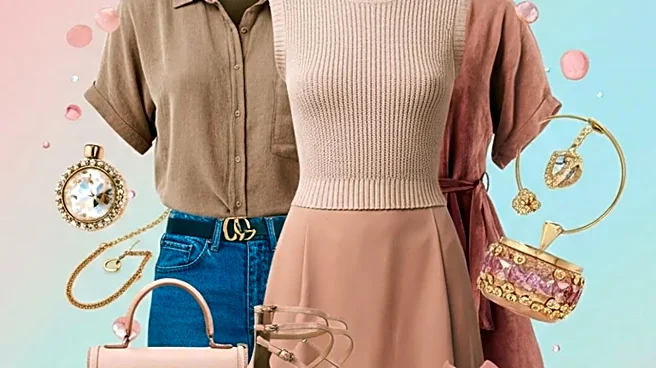

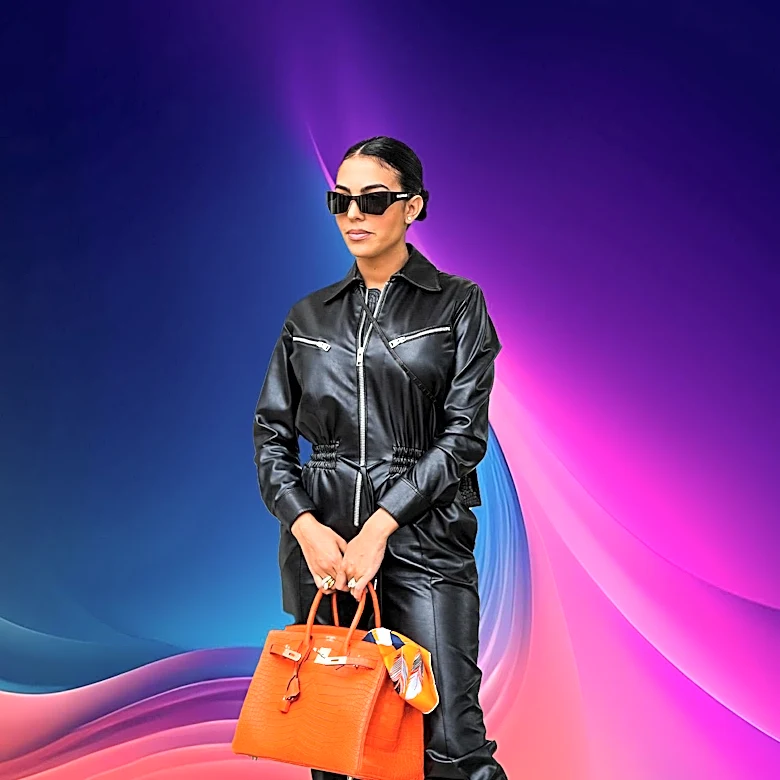

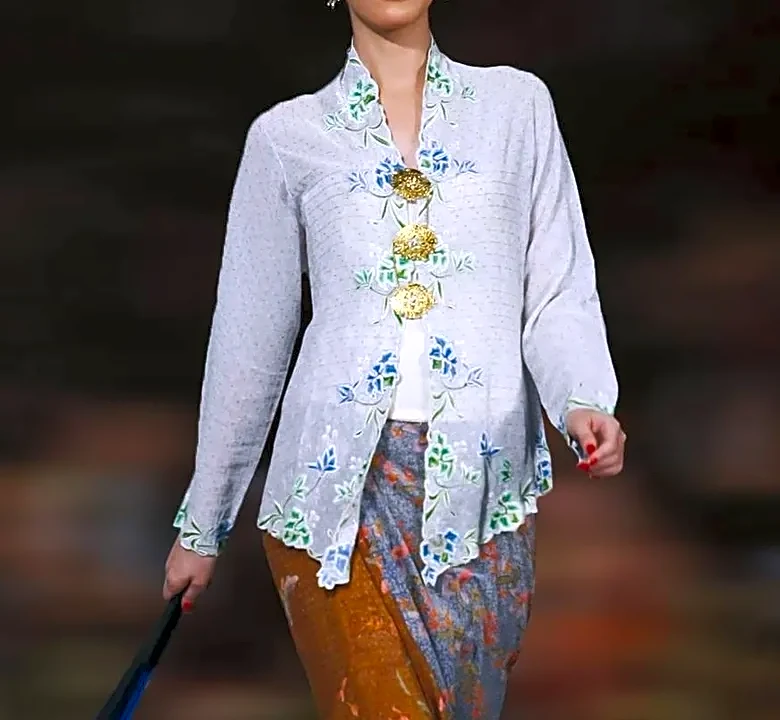
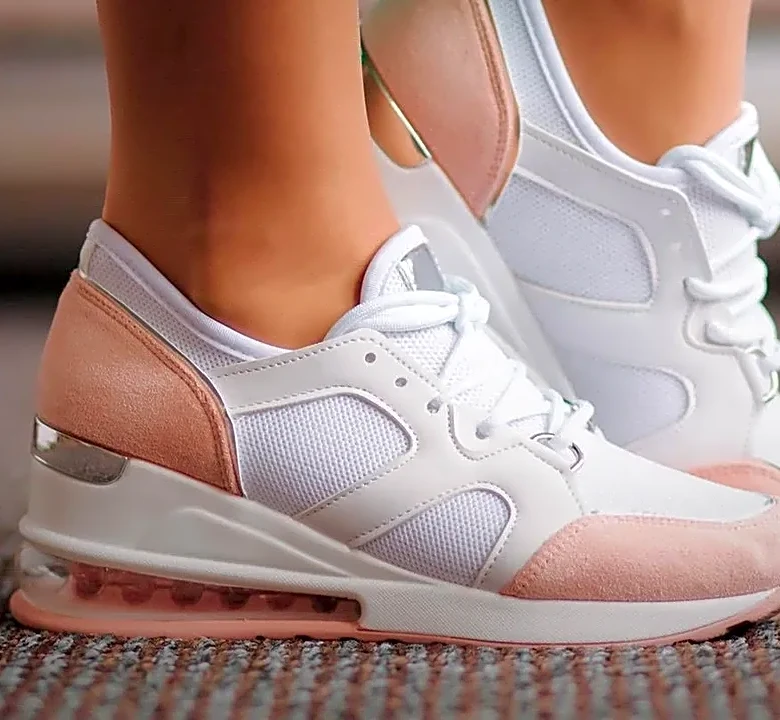


First, What Is a 'Clear Shape'?
In fashion, “shape” refers to the overall outline or silhouette an outfit creates. Think of it as the garment's architecture. Some pieces are designed with a strong, built-in shape: a tailored A-line skirt that flares just so, a boxy blazer with sharp
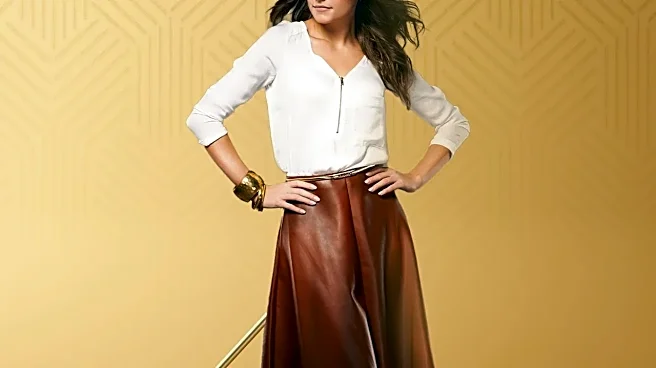
shoulders, or a dress that cinches at the waist and drapes intentionally. These items create a distinct silhouette all on their own. Recognizing this is the first step. Is your base outfit already a column? An hourglass? A voluminous statement? The answer dictates your next move. An outfit with a clear shape has a defined point of view; it doesn't need much help to look complete.
The Layering Trap: When More Is Less
The most common layering mistake is adding a layer that fights with the established shape of the base pieces. Imagine a beautiful silk midi dress with delicate puff sleeves and a defined waist. Throwing a thick, shapeless cardigan over it doesn't just add warmth; it completely erases the dress's thoughtful design, resulting in a bulky, undefined look. The problem isn't the cardigan itself, but its conflict with the dress's silhouette. When a layer competes with, rather than complements, the primary garment, the entire look can feel cluttered and accidental. The key is to ensure your layers work in harmony, with each piece having a purpose. Often, the rule is to stick to three main layers at most: a base, a mid-layer, and an outer layer.
How to Layer With Intent
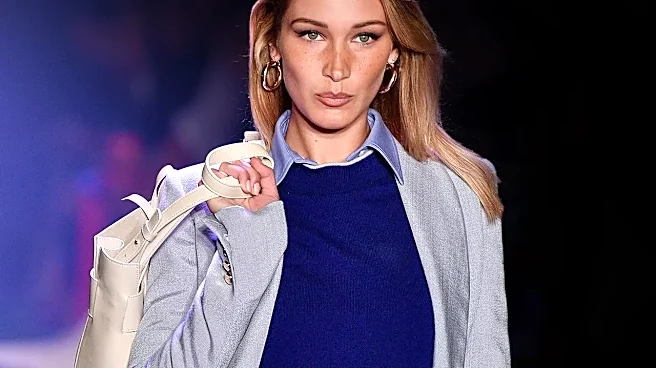
Smart layering enhances an outfit's shape or strategically creates a new one. If your base is simple—like a fitted turtleneck and slim jeans—you have a blank canvas. You can add a long, structured blazer to create a strong vertical line or a chunky knit sweater for a cozy, textured look. The key is balance. When working with volume, let one piece be the star. If you're wearing an oversized blazer, keep the layers underneath and the pants on the bottom half slim and fitted. This creates a pleasing contrast in proportions and prevents you from looking like you're drowning in fabric. Another powerful tool is the belt. Adding a belt over a dress and cardigan or even over a blazer can instantly redefine your waist and bring structure back to a layered look.
Working With—Not Against—Volume
Oversized and voluminous pieces are a style staple, but they require careful handling. If your outfit already features a voluminous dress or a wide-leg pant and slouchy top combination, adding another bulky layer on top is rarely the answer. Instead, think about layering underneath. A thin, fitted turtleneck can be worn under a voluminous dress for warmth without disrupting its grand silhouette. If you are styling an oversized shirt, rolling up the sleeves to expose your wrists can help balance the proportions. Similarly, if your top half is voluminous, ensure your bottom half is streamlined. The goal is to create a focal point and a sense of balance, which is often achieved with an asymmetrical 1/3 to 2/3 ratio, a concept known as the 'rule of thirds' in style.