



The Old Myth of Sprezzatura
For decades, the global image of Italian style was built on the idea of 'sprezzatura'—a studied carelessness, the art of making the difficult look easy. Think of a perfectly cut suit worn with a slightly unbuttoned shirt or a rakishly tied scarf. It was about
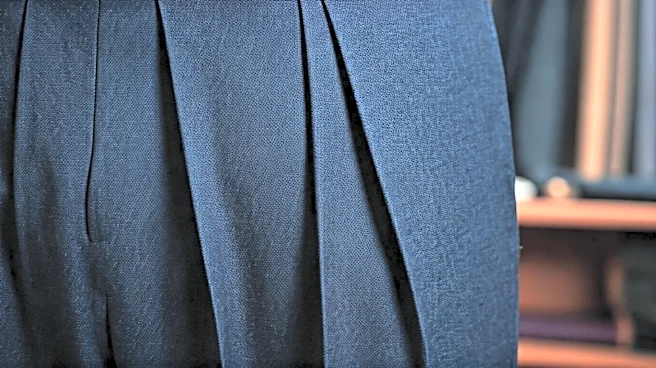
mastering the rules of tailoring so you could elegantly break them. This ideal cemented Milan as the world capital of classic, powerful suiting. Major textile mills and generations of artisanal know-how meant that if you wanted the best suit money could buy, you went to Italy. But over time, this nuanced concept was flattened into a simple, marketable stereotype: the Italian man in a suit. It became a kind of sartorial shorthand, easy for American audiences to digest. The problem is, while the world kept repeating this easy cliché, Milan’s most influential designers moved on. Treating the city’s fashion week as a trade show for traditional tailoring is like judging the entire music industry by what’s on the classic rock station. You’re missing all the innovation, energy, and cultural relevance happening right now.
Prada, Zegna, and the New Softness
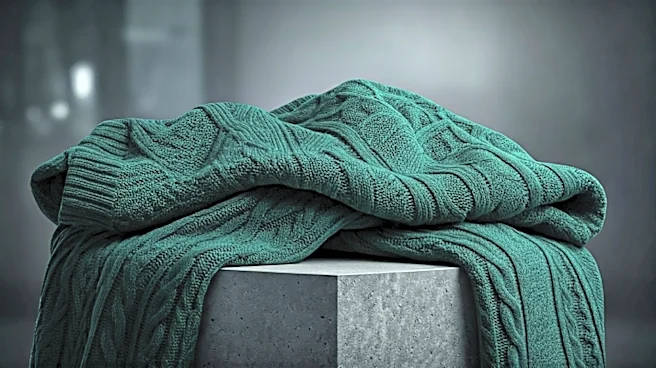
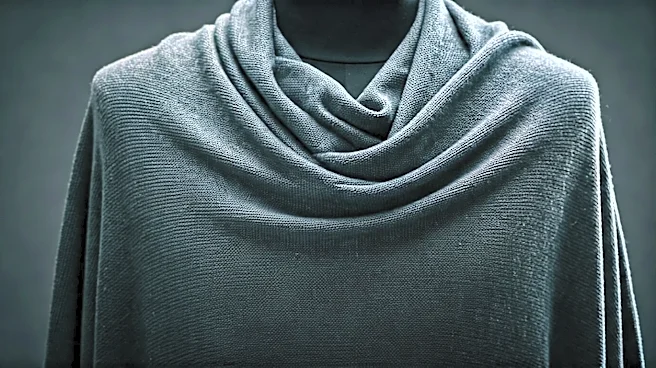
To see the real Milan, you have to look past the suit rack and onto the runways of brands like Prada, Zegna, and Fendi. At Prada, Miuccia Prada and Raf Simons have been conducting a masterclass in intellectual, slightly off-kilter menswear. Their collections favor thoughtful layering, strange-but-beautiful color combinations, and silhouettes that prioritize comfort and a cerebral sensibility over chest-puffing formality. Think less corporate raider, more sensitive artist. Meanwhile, at Zegna, artistic director Alessandro Sartori has almost completely deconstructed the traditional suit. He champions a 'soft tailoring' where cashmere overshirts replace blazers, structured shoulders disappear in favor of gentle slopes, and luxurious knitwear becomes the centerpiece of an outfit. His vision is one of supreme comfort and quiet confidence, built from the world’s finest fabrics but shaped for a modern, more relaxed life. These aren't just clothes; they are proposals for a new way of being. They suggest that true power dressing is no longer about projecting an armor of formality, but about embracing ease and vulnerability.
It's a Conversation About Modern Masculinity
This is where the mistake really matters. By fixating on suits, we overlook the fact that Milan has become a key battleground for defining contemporary masculinity. The shift away from rigid tailoring is a direct reflection of a broader cultural conversation. The new Milanese aesthetic makes room for softness, introspection, and even playfulness—qualities traditional menswear often suppressed. The rise of gender-fluid elements, the emphasis on tactile, comforting fabrics like cashmere and mohair, and the focus on clothes that feel good to live in are not just design trends. They are a response to a world where men are re-evaluating their roles and identities. When a brand like Fendi shows men carrying intricately designed handbags or wearing cropped sweaters, it’s not a gimmick. It's a recognition that the old boundaries are dissolving. Ignoring this evolution is to willfully ignore one of the most visible ways our culture is working through questions of what it means to be a man today.
The Business of Looking Forward
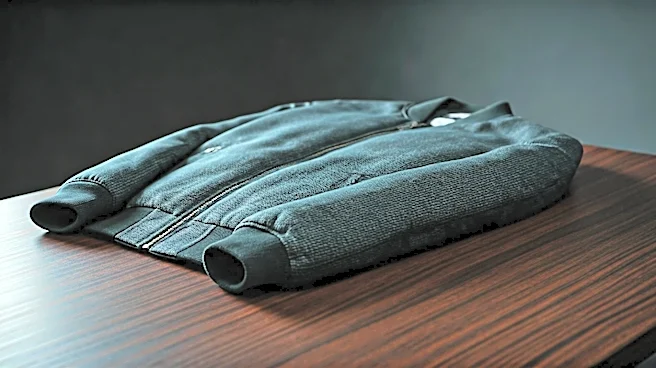
Finally, there’s the simple matter of business. The global luxury market is driven by novelty, emotion, and cultural relevance. The customer buying a $3,000 Zegna cashmere hoodie or a $2,000 Prada nylon jacket isn’t looking for another version of what their father wore. They are buying into a forward-thinking vision. The brands that are thriving are the ones leading the conversation, not the ones resting on the laurels of their tailoring heritage. When industry buyers, editors, and consumers write off Milan as 'the classic one' compared to the conceptualism of Paris or the youthful energy of London, they misread the market. They fail to see where the real creative and commercial energy is. The city's enduring power lies not in its ability to perfectly preserve the past, but in its unique capacity to use its unparalleled heritage in craft and materials to build a compelling, and highly profitable, future.