



Go Beyond a 'Pan-Polynesian' World
One of the most significant critiques of the 2016 animated film was its tendency to blend distinct Pacific cultures into a single, generic 'pan-Polynesian' aesthetic. The original story pulled from Samoan, Tongan, Māori, Tahitian, and Hawaiian traditions,
among others. While this was done with input from the respected Oceanic Story Trust, it sometimes led to a beautiful but amalgamated world that flattened the rich diversity of the Pacific Islands. The live-action film, which stars Dwayne Johnson reprising his role as Maui and Australian actress Catherine Laga'aia as Moana, has the opportunity to be more specific. By grounding the village of Motunui and its people in a more clearly defined cultural context—whether inspired more directly by Samoan, Tongan, or another specific tradition—the story can offer a portrayal that feels less like a sampler platter and more like a deeply realized world. This doesn't mean other influences can't be present, but a specific anchor would provide a stronger, more authentic foundation.
Give Mythology Its Proper Weight
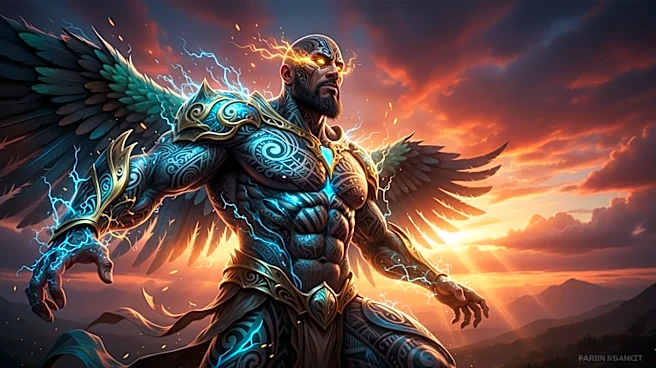
Dwayne Johnson's Maui was a breakout star—charismatic, funny, and central to the plot. However, his depiction as a boisterous, egotistical, and sometimes buffoonish figure was jarring for some Pacific Islanders, who revere Maui as a powerful and significant hero in their oral traditions. His oversized physique was seen by some critics as playing into American stereotypes of Polynesian men. The live-action remake can add more dimension to the demigod, honoring the humor while also exploring the gravitas of his mythology. Johnson, who also serves as a producer and has described the project as deeply personal, has a unique chance to reshape this portrayal. The myths in 'Moana' shouldn't just be plot devices or backdrops for musical numbers; they should be treated as the foundational beliefs of a culture, full of weight, consequence, and reverence.
Integrate Culture Into Character
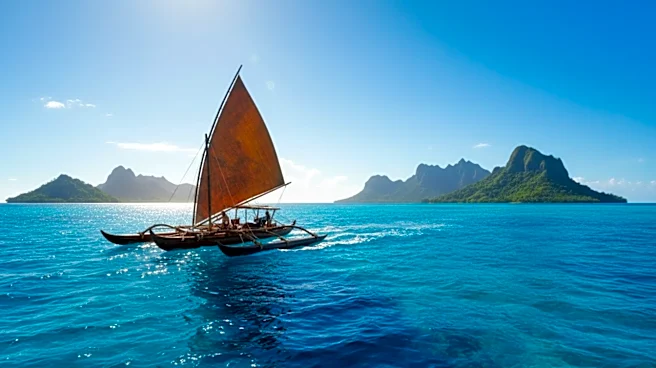
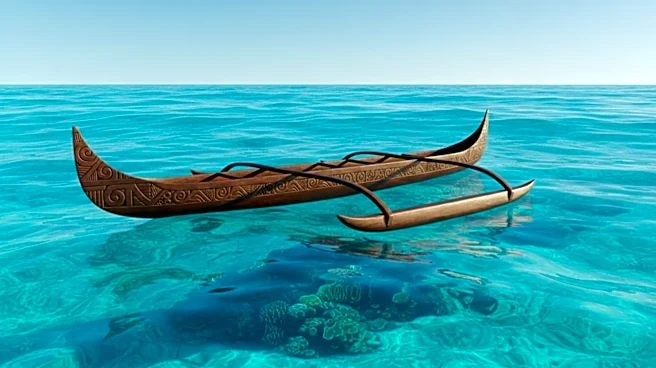
The phrase 'background texture' implies something that is beautiful to look at but ultimately separate from the main story. To avoid this, cultural details must be woven into the very fabric of the characters' motivations and actions. Wayfinding, the traditional Polynesian art of navigation, is a perfect example. The animated film celebrated it, but the live-action version can go deeper. Instead of just a skill Moana learns, it can be a spiritual and intellectual discipline that shapes her worldview. Show the audience how she learns to read the stars and swells, making it a core part of her hero's journey. Likewise, practices like the art of traditional tattooing (tātau) or the social structures of the village can be more than set dressing. They can inform character relationships, create conflict, and drive the narrative forward in a way that feels inseparable from the world itself.
Empower Polynesian Creators Off-Screen
True authenticity comes from who is telling the story. Disney made commendable efforts with its Oceanic Story Trust for the original film and its sequels, bringing in experts to consult on everything from mythology to choreography. For the live-action film, this collaboration appears to be even more extensive. Auliʻi Cravalho, the original voice of Moana, is an executive producer. The screenplay is co-written by Dana Ledoux Miller, who is of Samoan heritage. This represents a critical shift from consultation to creative control. The best way to ensure Polynesian culture is not treated as texture is to have Polynesian writers, producers, designers, and artisans in leadership positions, empowered to make key creative decisions. Their lived experiences and cultural knowledge are invaluable assets that can guide the film toward a representation that is not only respectful but also resonant and true.