








Phelps: The Tyranny of Numbers
When you talk about Michael Phelps, you start and end with the numbers, and they are simply staggering. Over the course of five Olympic Games, the American swimmer amassed a record-shattering 28 medals, 23 of which are gold. To put that in perspective,
his gold medal count alone more than doubles that of his nearest competitors in Olympic history. At the 2008 Beijing Games, he achieved the unthinkable by winning eight gold medals in a single Olympics, breaking Mark Spitz’s long-standing record of seven. Phelps’s dominance was a quiet, relentless assault on the record books. His arena was the pool, his adversary the clock. In a sport where victory is measured in hundredths of a second, he was a metronome of perfection. This is one definition of dominance: pure, undeniable, statistical annihilation. He conquered his sport so completely that he holds more Olympic titles than many entire nations.
Soccer Legends: The Weight of the World
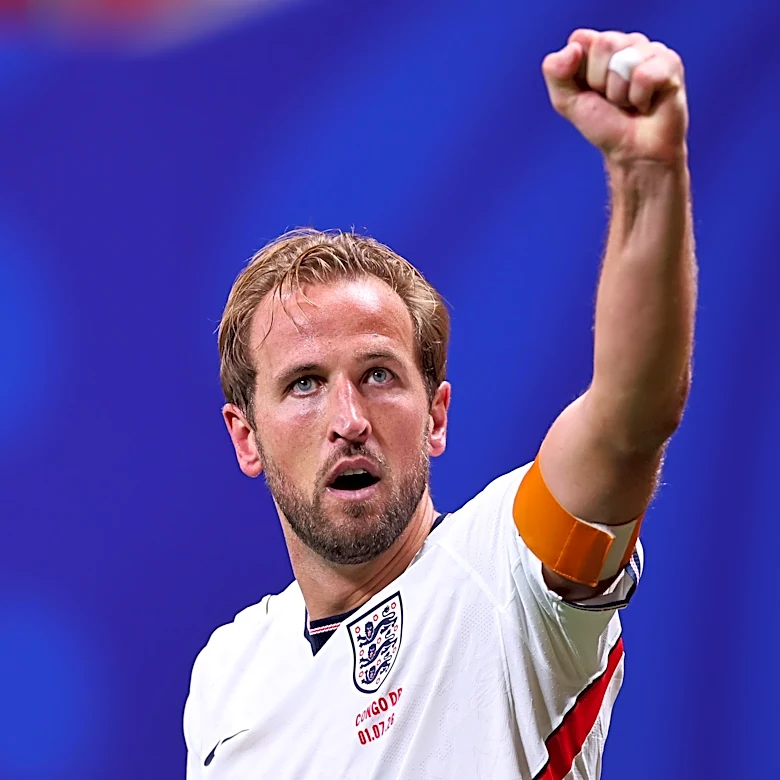
Soccer’s legends operate on a different plane. Their dominance isn't measured just in goals or titles, but in cultural impact and moments of transcendent genius watched by billions. Consider Pelé, the only player in history to win three World Cups. Or Diego Maradona, who almost single-handedly dragged Argentina to glory in 1986 with a performance that remains the stuff of legend. More recently, Lionel Messi cemented his legacy by capturing the one prize that eluded him, the World Cup in 2022, after also winning the Copa América. These players carry the hopes of entire nations in the world's most popular sport. The FIFA World Cup final is a global event dwarfing all others; the 2022 final, for instance, drew an estimated 1.5 billion viewers. Winning isn’t just about being the best player; it's about navigating the chaos of a team sport on the biggest stage imaginable, where one moment of magic can define a career.
Individual vs. The Collective
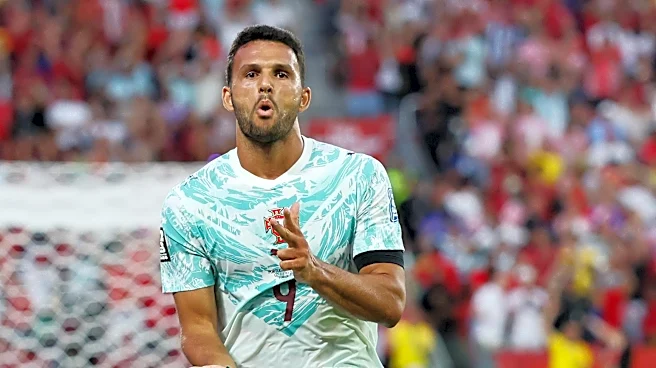
This is the core of the debate: what is a more difficult form of dominance to achieve? Phelps’s greatness was a singular pursuit. He was in complete control of his own performance. While relays involved teammates, his legacy was built on individual events where his success or failure rested solely on his shoulders. This requires a unique mental fortitude and a level of personal accountability that is absolute. On the other hand, a soccer superstar like Cristiano Ronaldo, a European champion with Portugal, can be the best player on the field and still lose. Their greatness is filtered through ten other players. They must lead, inspire, and create within a complex, flowing system. Their dominance is a measure of influence as much as it is of personal skill. They must elevate the entire team to achieve the ultimate prize, a challenge Phelps never had to face in his individual races.
The Arena and The Audience
The context of their sports also defines their dominance. Swimming is a global sport, but its pinnacle event, the Olympics, happens once every four years. The Swimming World Championships, while important, draw a fraction of the global attention of the FIFA World Cup. For Phelps, dominance was concentrated into intense, two-week bursts of Olympic glory. For soccer legends, the pressure is constant. They perform for their clubs week in and week out in high-stakes leagues and the UEFA Champions League, and then are expected to be saviors for their national teams. While Phelps faced the pressure of the entire world watching him for a handful of career-defining races, soccer legends live with that pressure for a decade or more, their every move scrutinized by a global fan base that is orders of magnitude larger than that of any other sport.