


1. Look for Film-Forming Polymers
These are the star players. Ingredients like acrylates copolymer create a flexible film on your skin that repels water. Think of it as a microscopic, water-resistant shield for your lash line.
2. Spot the Silicones
Silicones are key for that smooth, easy glide and added water
resistance. Names ending in "-cone" or "-siloxane," like Dimethicone, are your tell-tale sign.
3. The 'Waterproof' Power Couple
See Isododecane and Trimethylsiloxysilicate together on a label? That's a huge clue. Isododecane is a solvent that evaporates, leaving the tough, water-repelling trimethylsiloxysilicate film behind.
4. Isododecane Means Fast-Drying
On its own, Isododecane is a lightweight liquid that helps the eyeliner spread evenly and then vanishes, leaving pigment and waterproofers behind. It's essential for a quick set and non-greasy feel.
5. Trimethylsiloxysilicate Is the Shield
This silicone resin is what forms the hard, durable, yet flexible film. It’s what gives long-wear makeup its resistance to rubbing and water.
6. Waxes Provide Structure
In pencil and gel eyeliners, waxes like Synthetic Wax, Beeswax, or Carnauba Wax add structure and help the product hold its shape. They also contribute to a smooth application.
7. Synthetic vs. Natural Waxes
Synthetic waxes often have higher melting points than natural waxes, helping the eyeliner resist smudging from body heat or warm weather. They provide more reliable structure.
8. Polybutene for Glide
Often found in pencil liners, Polybutene is a polymer that gives the formula a thicker, stickier consistency, helping it adhere to the skin while also providing a smooth glide.
9. Iron Oxides for Color
For your classic blacks and browns, look for Iron Oxides (CI 77499, CI 77491, CI 77492). They are stable mineral pigments that won't fade when exposed to water.
10. Carbon Black for Intense Black
If you want the deepest, darkest black, look for Carbon Black (CI 77266). This pigment provides intense color and is naturally water-resistant.
11. Hydrogenated Oils for Creaminess
Ingredients like Hydrogenated Cottonseed Oil or Hydrogenated Castor Oil give pencil eyeliners a creamy texture, making them easy to apply without dragging on the delicate eye area.
12. Silica for Oil Absorption
Silica or Silica Dimethyl Silylate can help absorb excess oil from your skin, preventing it from breaking down the eyeliner formula. This is key for smudge-proofing.
13. The Order of Ingredients Matters
Ingredients are listed in order of concentration. If waterproofers like Isododecane or Trimethylsiloxysilicate are in the top five, you can expect serious staying power.
14. 'Aqua' (Water) as the First Ingredient
Don't be alarmed if you see water first in a liquid liner. In these formulas, the water acts as a base that evaporates, allowing the film-forming polymers to lock into place.
15. Polypropylsilsesquioxane for Flexibility
This silicone resin creates a film that's not only durable and water-resistant but also flexible. This prevents the eyeliner from cracking or flaking as your skin moves.
16. Waterproof vs. Water-Resistant
Waterproof means it can handle full-on water exposure, like swimming or tears. Water-resistant can handle light moisture, like sweat or humidity, but may not survive a downpour.
17. Smudge-Proof Is Different
A product can be waterproof but not smudge-proof. Smudge-proofing targets oils and friction. Ingredients that resist oil, like certain polymers, are necessary for a formula to be both.
18. Tocopherol for Conditioning
Tocopherol is simply Vitamin E. While not a performance ingredient, its presence suggests the formula includes antioxidants to help condition the skin.
19. Preservatives Are Necessary
Ingredients like Phenoxyethanol or Sorbic Acid are preservatives that keep your eyeliner free of bacteria and mold, especially crucial for a product used so close to your eyes.
20. The Clue for Easy Removal
If the formula is loaded with silicones and film-formers, water alone won't remove it. You'll need an oil-based makeup remover to break down these tough, water-repelling ingredients.
21. Gel vs. Liquid Formula Clues
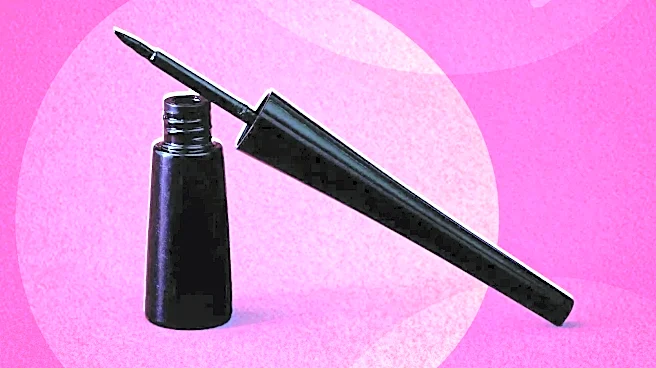
Gel formulas tend to be heavier on waxes and are often found in pots or pencils. Liquid formulas rely more on volatile solvents (like isododecane) and liquid polymers to create a sharp, defined line.