





The Symphony of Stress
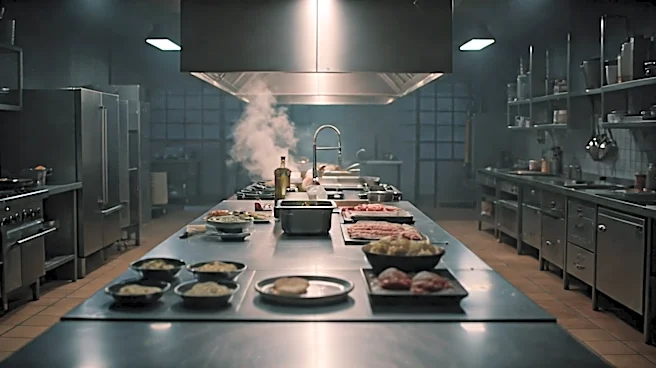
Anyone who has watched an episode of FX’s 'The Bear' understands the feeling. It’s a low-grade panic that builds into a full-blown anxiety attack, mirroring the pressure-cooker environment of a high-end kitchen. The rapid-fire dialogue, the clanging pans,
the relentless ticket machine—it all combines into a wall of sound and motion that feels overwhelming. Yet, you never lose the thread of the story. Characters’ motivations, fears, and triumphs are perfectly clear amidst the storm. This is the central magic trick of the series, and what would likely define a potential fifth season: making chaos legible. It’s not simply a matter of shaking the camera and yelling. It's a meticulously crafted illusion built on specific, interlocking techniques that give the audience the feeling of being out of control, while the filmmakers remain firmly in command.
The Language of the Cut
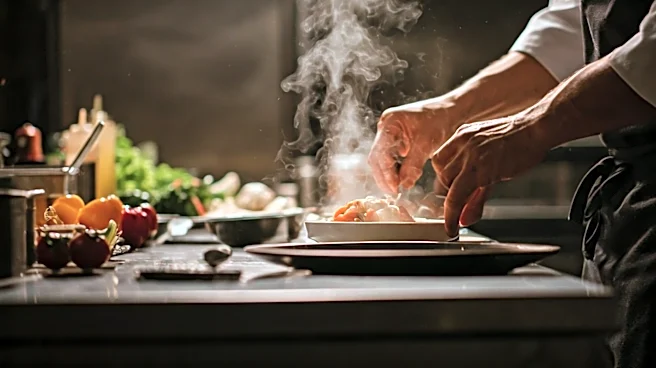
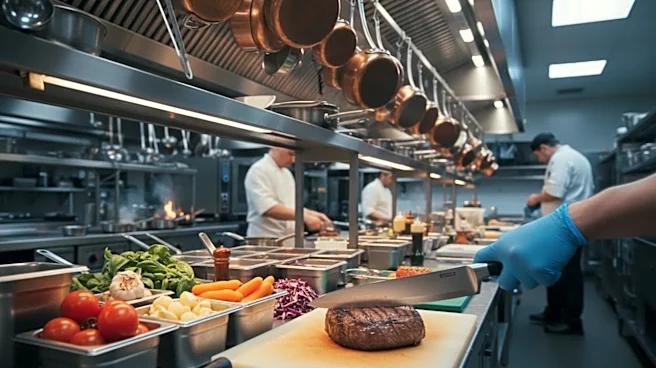
The show’s primary tool for creating tension is its editing. When the kitchen is in full swing, the cuts are brutally fast. We’re bombarded with a flurry of images: extreme close-ups of hands chopping vegetables, sizzling pans, searing meat, and anxious faces. This rapid montage, sometimes called a “hip hop montage,” doesn’t just show cooking; it conveys the relentless pace and sensory overload of the job. But the genius lies in the contrast. When characters step outside the kitchen—for a smoke break, a quiet conversation, or a moment of reflection—the editing pace slows dramatically. The camera lingers, allowing both the characters and the viewer a moment to breathe. According to the show’s editors, this is an intentional choice to reflect the emotional release from the kitchen's intensity before plunging the audience back into the fire. This juxtaposition makes the chaotic scenes feel even more frantic and the quiet moments more profound.
Sound You Can Actually Feel
Just as important as what you see is what you hear. 'The Bear' weaponizes sound to create its signature stress. The dialogue is famously overlapping, with multiple characters shouting orders, jokes, and insults at once. This would normally be a nightmare for audio mixers, but the show’s sound team has perfected a delicate balance. Using advanced tools, they carefully clean up the production audio just enough so that the key lines of dialogue are understandable, but the background noise and overlapping speech remain, preserving the authentic feel of a busy, loud kitchen. It’s a technique that avoids having to re-record dialogue in a sterile studio, which would kill the on-set spontaneity. The result is an immersive soundscape where the sizzle of a pan, the thud of a knife, and the constant shouting all contribute to a palpable sense of anxiety and realism that dialogue alone could never achieve.
The Relentless, Roving Eye
The show’s cinematography is the final piece of the puzzle. 'The Bear' is known for its long, unbroken takes, most famously in the 18-minute sequence from Season 1’s seventh episode. These “oners” create a claustrophobic, relentless feeling by refusing to cut away. The audience is trapped in the kitchen with the characters, unable to look away or catch a breath, which amplifies the tension exponentially. When not employing a long take, the camera is often handheld, weaving through the cramped kitchen space as if it were another member of the crew. It gets uncomfortably close, framing characters with pans, steam, and other bodies, visually reinforcing the high-pressure environment. Cinematographer Andrew Wehde and creator Christopher Storer purposefully designed this visual language not to show off, but to serve the story, ensuring the camera’s movements always reflect the characters' emotional state.