






The Science of Personal Shade
Think of clothing as your own portable shade. When you're standing in direct sunlight, your skin absorbs radiant heat, making you feel hotter. A layer of clothing, even a thin one, acts as a physical barrier between you and the sun's rays. This is the same
principle used by desert-dwelling cultures, who have long worn loose, flowing robes to stay cool. The fabric absorbs the heat before it can reach your skin. By creating this barrier, you're not just preventing sunburn; you're creating a microclimate around your body that is cooler than the surrounding air. It’s like bringing your own personal umbrella into the middle of the crowd.
Fabric Is Everything: The Breathability Factor
Of course, this strategy only works if you choose the right materials. The key is breathability—the fabric's ability to allow air and moisture to pass through it. Natural fibers are your best friends here. Linen is considered the gold standard for hot weather; its loose weave and stiff fibers keep it from clinging to your skin, allowing for maximum airflow. Lightweight cotton, particularly in weaves like voile or gauze, is another excellent choice because it's soft, absorbent, and lets heat escape. On the flip side, avoid heavy, dense fabrics like denim and synthetic materials like polyester that don't breathe. These trap heat and moisture against your body, turning your outfit into a personal sauna.
Let It Flow: The Power of a Loose Fit
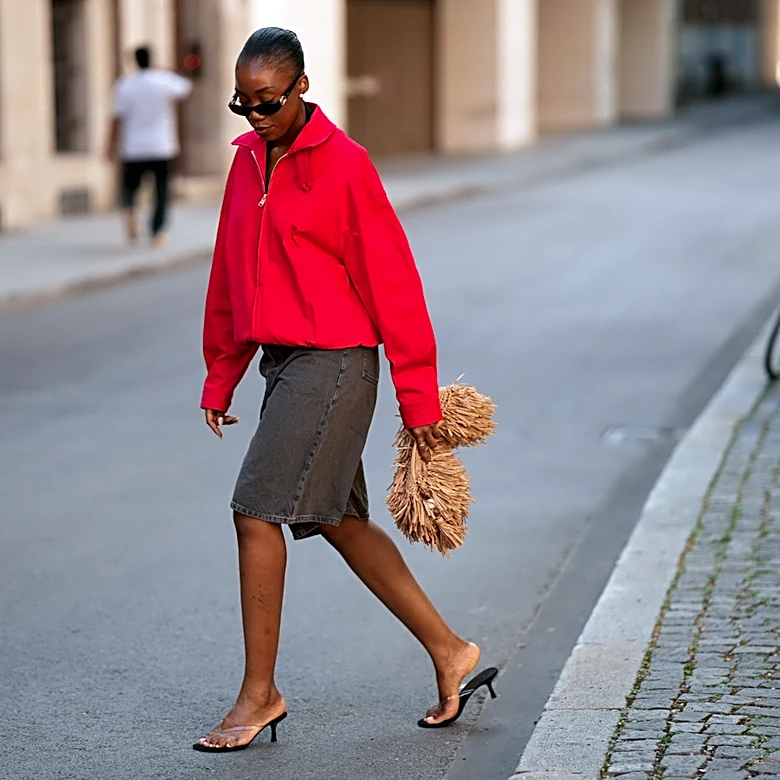
Fit is just as crucial as fabric. Tight clothing traps a layer of hot air against your skin and restricts airflow, making it harder for sweat to evaporate—your body's primary cooling mechanism. Loose-fitting garments, however, are a game-changer. Think oversized button-downs, flowy maxi skirts, parachute pants, or wide-leg linen trousers. This style allows air to circulate freely between the fabric and your body, creating a convection effect that constantly moves heat away from your skin. You get the sun coverage without the stifling, clingy feeling, which is critical when you’re navigating the crowded fields of Grant Park for hours.
Strategic Coverage, Not Winter Layers
To be clear, “more coverage” doesn’t mean bundling up. It means being smart about what you cover. A lightweight, long-sleeved linen shirt worn open over a crop top or tank provides sun protection for your arms without adding much warmth. Parachute pants or a breezy maxi skirt protect your legs from the sun far better than shorts, which leave your skin exposed. And don't underestimate the power of accessories. A wide-brimmed hat is the most effective way to protect your face and neck, and it makes a bigger difference to your overall comfort than you might think. Some clothing even comes with a UPF (Ultraviolet Protection Factor) rating, offering built-in sun protection that's more reliable than sunscreen alone.
Putting It All Together for Lollapalooza
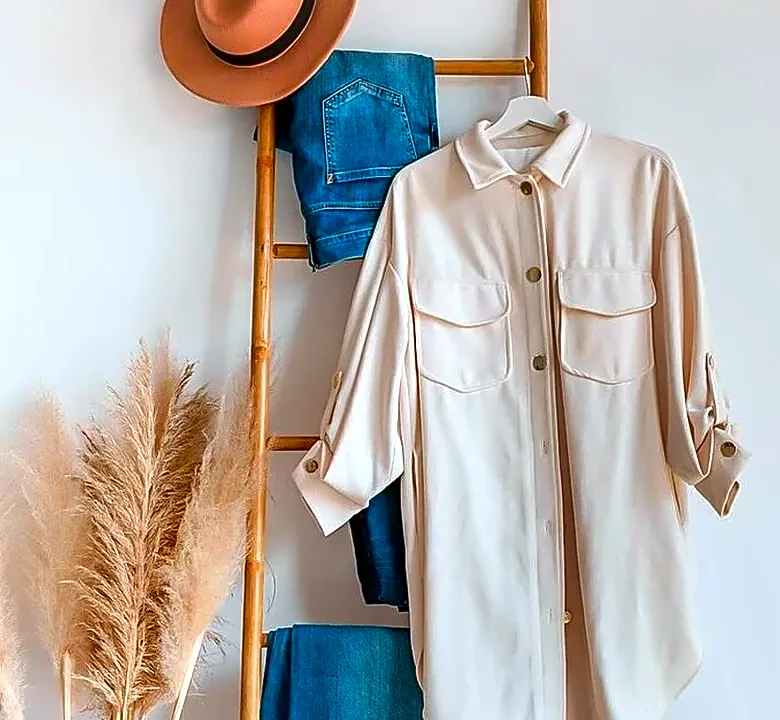
So what does the perfect, cool-but-covered Lollapalooza outfit look like? Start with a comfortable base like a bodysuit or a bralette and shorts. Then, add a strategic top layer. An oversized, gauzy button-down shirt offers sun protection and can be tied at the waist or removed as the sun sets. Alternatively, swap the shorts for a pair of high-waisted, wide-leg linen pants for a look that's both chic and functional. Remember that Chicago's weather can be unpredictable; a light layer is also perfect for when the lakefront breeze picks up in the evening after a hot day. The goal is a system you can adjust, keeping you protected from the afternoon sun and comfortable after dark.