




A Widespread, Hidden Struggle
Female pattern hair loss (FPHL), or androgenetic alopecia, is far from a niche issue. It affects approximately 30 million women in the United States alone, with some studies suggesting up to half of all women will experience noticeable hair loss by age
50. Despite its prevalence, the topic was long shrouded in a unique social stigma, making it an emotionally isolating experience for many. Unlike male baldness, which is often normalized, female hair loss has been viewed as less socially acceptable, creating a culture of quiet suffering and a market gap that the beauty industry was slow to fill. This created a powerful, unmet consumer need waiting for a solution.
From Cosmetic Camouflage to Scalp Science
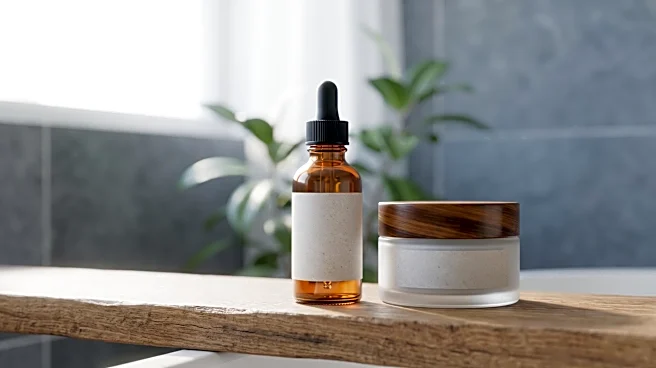
Historically, the industry’s answer to thinning hair was purely cosmetic: volumizing mousses, root cover-up sprays, and thickening shampoos. These products worked on illusion, coating strands to create a temporary appearance of fullness without addressing the underlying biology. The major shift has been the industry's pivot from hair to scalp. The scalp is now treated as an extension of facial skin, giving rise to a booming “skinification” of hair care. The global scalp care market is projected to grow significantly, with some analysts estimating it will reach over $25 billion by 2033. This new focus treats the scalp as the fertile ground necessary for healthy hair growth, moving beyond superficial fixes. Brands are no longer just selling shampoo; they're selling scalp serums, exfoliants, and microbiome-balancing treatments.
The New Language of Hair Care
Walk down the hair aisle today, and you’ll see a vocabulary that didn’t exist a decade ago. Words like “strengthening” and “repairing” are being replaced by more clinical, science-backed language. Brands now openly discuss ingredients like minoxidil, the only FDA-approved topical for FPHL, alongside buzzworthy components like rosemary oil, peptides, and caffeine. Marketing has moved from vague promises to direct education. Brands like Hers and Vegamour built their success by speaking directly and honestly about hair loss, normalizing the conversation. This shift reflects a savvier consumer who researches ingredients and demands transparency, refusing to be placated by marketing jargon that promises miracles without proof.
Beyond the Bottle: A Holistic Approach
The reshaping of hair care isn't confined to topical products. The modern approach is holistic, acknowledging that hair health is influenced by internal and external factors. This has fueled the explosive growth of the hair supplement market, led by brands like Nutrafol and Viviscal, which position themselves as “nutraceuticals” targeting hair wellness from within. This inside-out philosophy also encompasses lifestyle factors, with brands offering content on stress management and nutrition as part of their hair health ecosystems. It’s a recognition that a single product isn’t a silver bullet, but part of a comprehensive routine aimed at foundational wellness.
The Power of Digital Destigmatization
Perhaps the most powerful force in this transformation has been social media. Platforms like TikTok and Instagram have become virtual support groups where women openly share their hair loss journeys. Influencers document their experiences with different treatments, share before-and-after photos, and create a sense of community that dismantles the old taboo. This user-generated content has done more to destigmatize the issue than any corporate campaign could. It has empowered consumers, held brands accountable for their claims, and demonstrated a massive, vocal market that can no longer be ignored. Women are not just buying products; they are advocating for themselves and each other, forcing the industry to finally listen.