
The Squeezed Middle of Hollywood
Remember the kind of movie that used to be Hollywood’s bread and butter? The star-driven drama, the smart romantic comedy, the tense political thriller—films made for between $20 and $80 million, aimed
squarely at adults. For years, these movies have been vanishing from the multiplex. Studios, chasing global box office domination, pivoted to a two-track strategy: make massive, nine-figure franchise tentpoles or make tiny, low-risk horror films and indies. Everything in between was deemed too risky. The economics no longer seemed to work; a $50 million drama couldn't compete with a superhero epic, and streamers became the default home for stories that didn't involve a cape or a car chase. This created a vacuum for smart, character-focused films that audiences still crave but studios are increasingly unwilling to finance for a theatrical run.
A Festival Built for an Audience
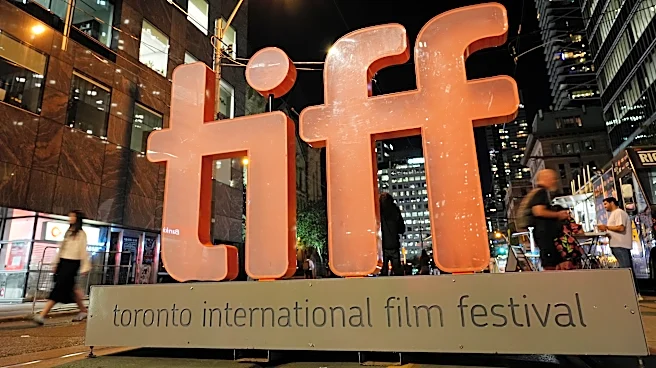
Unlike juried European festivals like Cannes, which are driven by critical consensus, the top prize at the Toronto International Film Festival is the People's Choice Award. Voted on by the public, this award has a stunning track record of predicting Oscar success for films like Green Book, Nomadland, and American Fiction. This makes TIFF a uniquely powerful focus group. For a mid-budget film with an A-list star and awards ambitions—think Andrew Scott's buzzy turn as a tormented actor in Elsinore—a warm reception in Toronto is invaluable. It proves to skeptical distributors that a real, ticket-buying audience exists for their movie. This audience-first approach de-risks the proposition, turning critical buzz into a tangible market signal that speaks the only language Hollywood truly understands: money.
Where Buzz Becomes Business
TIFF isn't just a place to premiere a film; it's a bustling marketplace. Starting this year, the festival has launched an official market, formalizing the dealmaking that has long occurred in hotel lobbies and coffee shops around the city. This new structure creates a dedicated venue for producers to connect with financiers, sales agents, and distributors from around the globe. For a mid-budget movie that arrives in Toronto without a U.S. distribution deal, the festival is a high-stakes audition. A sold-out screening, a wave of positive social media chatter, and glowing reviews can spark a bidding war overnight. It’s the perfect environment for a film that needs both critical validation and commercial momentum to secure a proper theatrical release and marketing budget, ensuring it finds its audience beyond the festival circuit.
A Symbiotic Relationship
The festival needs these movies as much as they need the festival. While other major festivals like Venice and Telluride often snag the world premieres of the most anticipated titles, TIFF's identity is cemented by its sheer size and its deep lineup of quality, star-driven features that form the backbone of its programming. These are the films that attract celebrities, generate international press, and give the festival its reputation as the unofficial kickoff to awards season. Films with actors like Mahershala Ali, Julianne Moore, or Javier Bardem give the festival its glamour and broad appeal. In return for providing a prestigious platform, TIFF gets to host the conversations that will dominate Hollywood for the next six months, reinforcing its own cultural importance.