




The Ending We All Know and Love
Cast your mind back to 1998. After a film's worth of chaotic, borderline-criminal pursuit, Ted Stroehmann (Ben Stiller), the well-meaning but hopelessly neurotic protagonist, finally gets the girl. After exposing all the other suitors—including a sleazy
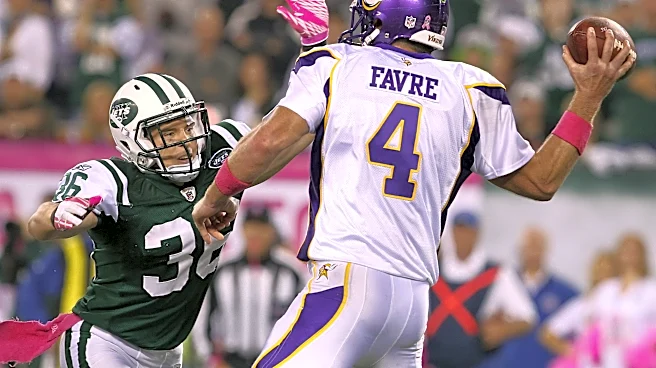
private eye, a fake-disabled architect, and a shoe-fetishist—for the liars and stalkers they are, Ted nobly steps aside for Mary’s (Cameron Diaz) ex-boyfriend, NFL quarterback Brett Favre. But Mary stops him, declaring, 'I'd be happiest with you'. The screen then fills with the entire cast, including the previously shot narrator, joyfully singing 'Build Me Up Buttercup.' It’s a bizarre, fourth-wall-breaking finale that perfectly encapsulates the film's weird, warm heart.
The Studio's Nightmare Scenario
According to director Bobby Farrelly, 20th Century Fox was never fully comfortable with the movie's central premise. The studio was deeply concerned that the story's hero, Ted, was also, technically, a stalker. He hires a private investigator to track down a woman he hasn't seen in 13 years. In the studio's eyes, this made him an anti-hero who didn't deserve a happy ending. Their proposed solution was a radical departure. They wanted Mary to end up with Pat Healy, the truly creepy private investigator played by Matt Dillon. This was the character who lied, cheated, and drugged a dog to get close to Mary. The directors were horrified by the suggestion.
A Fight for the Film's Soul
For the Farrelly brothers, the studio's note missed the entire point of the movie. Their vision was a comedy that walked a tightrope. It pushed the boundaries of taste with infamous gags involving hair gel and a zipper mishap, but it needed a sweet center to work. Ted, despite his questionable methods, is presented as a fundamentally decent guy who is genuinely in love. Healy, on the other hand, is a manipulative sociopath. Having Mary choose Healy would have completely changed her character. 'It would have been a great disservice to women,' Bobby Farrelly has said, arguing it would have made Mary seem foolish for falling for the worst of the bunch. The directors insisted that for the comedy to land, the audience had to root for Ted, and Mary had to be smart enough to see his good heart.
Why the Right Choice Made a Classic
The Farrellys eventually won the battle, and the result was a pop-culture phenomenon that became the fourth-highest-grossing film of 1998. The ending, particularly the 'Build Me Up Buttercup' singalong, became iconic. It was a masterstroke that let the audience leave the theater on a wave of pure joy, forgiving all the reprehensible behavior they'd just laughed at. It cemented the film’s legacy not just as a gross-out comedy, but as a surprisingly effective romance. It proved that audiences could accept a flawed protagonist as long as his heart was in the right place, a concept the studio nearly vetoed. The ending didn't just wrap up the plot; it defined the movie's entire tone and secured its place in comedy history.