



It All Starts with the Fiber
The journey to a long-lasting knit dress begins at the microscopic level: the fiber itself. The material composition is the single best predictor of how a dress will behave over time. Wool is a natural champion of shape retention due to its inherent springiness;
its fibers have a natural crimp that helps them bounce back after being stretched. For this reason, merino wool is often considered a top choice for knits that balance softness, warmth, and resilience. However, 100% natural fibers aren't the only answer. The secret weapon in modern knitwear is often spandex (also known as Lycra or elastane). Blending a small amount of spandex—even just 3-5%—into cotton, rayon, or wool gives the fabric crucial stretch recovery, helping it snap back to its original form. Cotton on its own, for example, is comfortable and breathable but tends to stretch out and sag, especially when heavy. Blends that include synthetics like polyester or nylon also add significant durability and wrinkle resistance, making them workhorses for everyday wear.
Consider the Knit's Construction
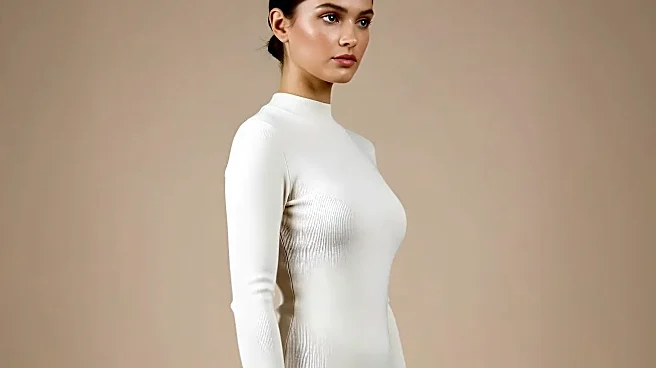
Not all knits are created equal. The way the yarn is looped together drastically affects the fabric's stability and elasticity. A rib knit, characterized by its visible vertical lines, has significantly more stretch and recovery than a standard flat jersey knit. This structure makes it ideal for form-fitting garments, cuffs, and necklines that need to hold their shape after repeated movement. Another high-performer is the interlock knit. As a double-knit fabric, it's thicker, more stable, and looks the same on both sides. Interlock resists curling at the edges and offers excellent shape retention, which is why it's often used in premium apparel. In contrast, a simple, lightweight single jersey knit is more prone to stretching and losing its shape over time. When shopping, feel the weight of the fabric; a knit with a bit of heft and a denser structure is generally a better long-term investment.
Shopping Smart and Checking the Fit
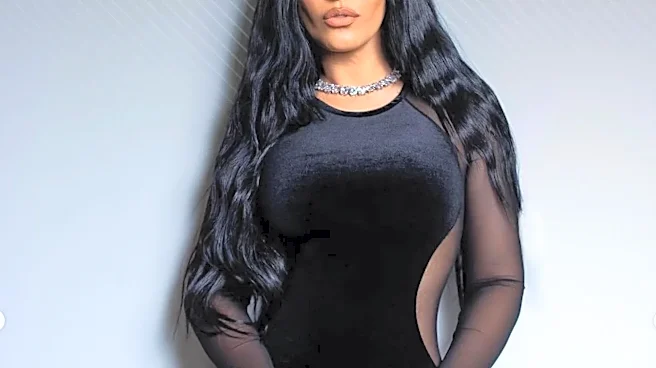
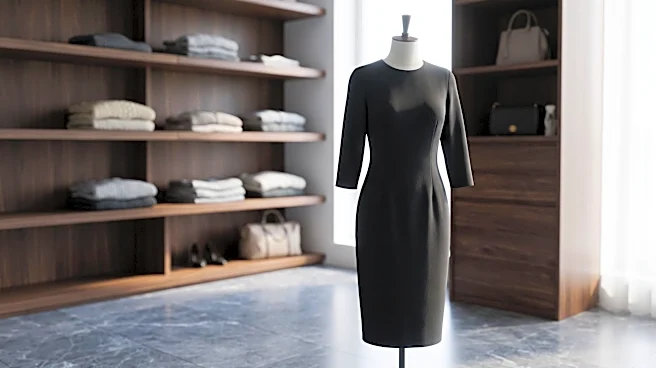
When trying on a knit dress, pay close attention to how it behaves on your body. A quality knit should drape well without feeling excessively heavy. Perform a quick “seat test” by sitting down for a minute or two. When you stand up, check if the fabric has bagged out or if it recovers its shape quickly. High-stretch fabrics can be forgiving, but you shouldn't rely on them by sizing down. Over-stretching a knit can cause the ribbing to spread, make the fabric appear shiny, and put stress on the seams, leading to permanent distortion. Look for dresses with thoughtful construction details. Seams provide structure and help prevent a garment from stretching out of shape over time, which is why seamless, top-down knitted garments can be more prone to sagging. A well-made knit dress will feel intentional, not like a simple tube of fabric.
The Golden Rules of Care
Even the most expensive knit dress can be ruined by improper care. Heat and agitation are the primary enemies of knitwear. Always read the care label first, as it provides instructions specific to that fabric blend. When in doubt, hand wash in cold water with a gentle detergent. If you must use a machine, select the gentlest cycle, use cold water, and place the dress in a mesh laundry bag to prevent snagging. The single most damaging step is often the drying process. Never, ever hang a wet knit dress. The weight of the water will pull on the fibers, causing irreversible stretching, especially at the shoulders. Instead, gently squeeze out excess water (do not wring it) and lay the garment flat on a clean, dry towel or a mesh drying rack away from direct heat or sunlight. Once dry, the final rule is to fold, not hang. Storing a knit dress on a hanger for long periods will cause it to lengthen and develop bumps at the shoulders.