
The Short Half-Life of a Recap
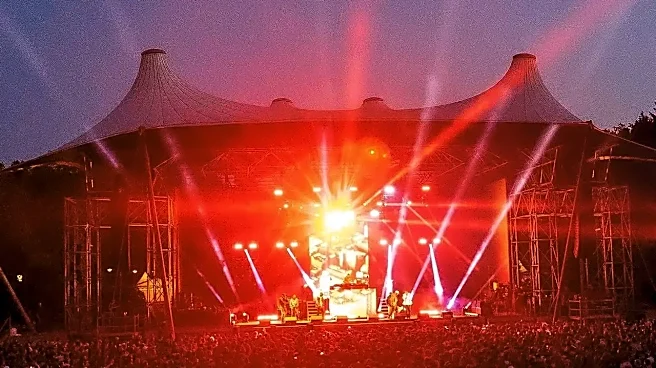
Every year, it’s the same cycle. The last chord rings out, and within hours, the internet is saturated with professional content. Music publications post their thoughtful reviews, photographers upload their stunningly lit galleries, and the festival’s
own social media team drops a slickly edited video montage set to an anthemic track. This content is expensive, well-crafted, and designed to induce maximum FOMO. Yet, its cultural footprint is surprisingly shallow. A week later, who’s still talking about it? Festival recaps are a top-down declaration of what was important. They tell you what you were supposed to have enjoyed. They are informative but passive. You watch them, you might appreciate them, but you rarely feel a part of them. They are a pristine, sealed memory of an event, and like most pristine things, they’re kept on a digital shelf and rarely revisited.
Enter the Meme: The People's Recap
Then there’s the meme. It’s rarely a photo of the headliner. More likely, it’s a picture of someone caked in mud after a sudden downpour, a screenshot of the absurd price for a bottle of water, or a relatable image capturing the pain of a set-time conflict between two favorite bands. Unlike a formal review, a meme isn't created by a publication; it’s born from the collective experience of the crowd. It’s user-generated, chaotic, and often unflattering. But its power lies in its authenticity. It’s not trying to sell you a ticket for next year; it’s a digital inside joke shared by thousands. While the official recap says, “Look how cool this was,” the meme says, “Remember when this ridiculous thing happened to us?” That simple shift from a broadcast to a shared secret is everything.
The Psychology of a Shared Joke
The longevity of a meme comes down to one key factor: participation. Sharing a festival recap is like forwarding an email from the principal. Sharing a meme is like passing a note in class. One is an act of information distribution; the other is an act of social bonding. Memes function as a coping mechanism and a source of validation. They take a common struggle—the heat, the crowds, the exhaustion—and reframe it through humor, making the experience feel shared and manageable. Studies on internet culture show that memes create a sense of community by reinforcing shared experiences. When you see a meme that perfectly captures your feeling of being miles from the stage and unable to see anything, and you see it has thousands of likes, you feel understood. That feeling of validation is far more powerful and lasting than simply being told a concert was good.
An Archive of Feeling, Not Fact
While festival recaps document the event, memes document the feeling of the event. Years from now, you might not remember the exact setlist from The Smashing Pumpkins, but you’ll remember the collective groan when the heavens opened up. The memes are the archive of that feeling. They are cultural artifacts that preserve the messy, human, and often hilarious reality of the festival experience. Think of the iconic images that have come to define public moments—they’re often candid, unpolished, and meme-ified. The same principle applies to Lollapalooza. The official history is written by the organizers, but the cultural memory is written by the attendees, one relatable and shareable image at a time. This user-generated narrative is seen as more trustworthy and authentic, which is why it sticks.