



The Case for Linen: Effortless and Airy
A linen shirt carries an air of relaxed sophistication. Made from the fibers of the flax plant, it is one of the oldest and most respected fabrics for warm weather, and for good reason. Its primary advantage is superior breathability. The natural, hollow
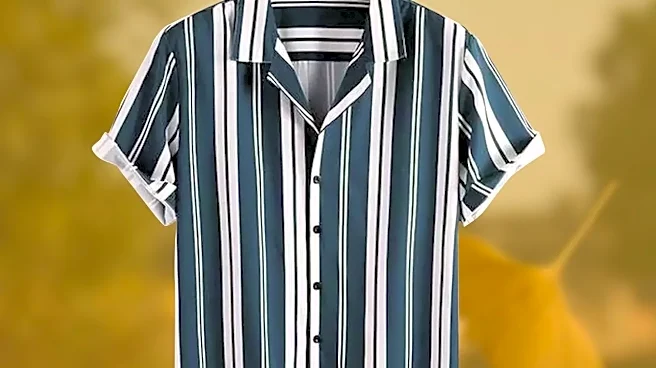
fibers and looser weave allow air to circulate freely, which helps regulate body temperature on a sweltering August day. Linen also absorbs a significant amount of moisture before feeling damp and dries quickly. The look is another major selling point. A crisp, light-colored linen shirt projects a sort of timeless, worldly elegance. It suggests you're there to enjoy the match in comfortable style. While the U.S. Open has no strict dress code, the vibe is polished, and a well-chosen linen shirt fits perfectly into the elevated but relaxed atmosphere seen in the stands.
The Case for the Polo: Sporty and Sharp
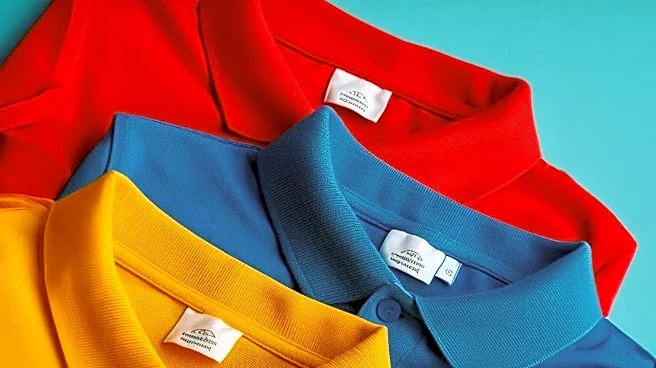
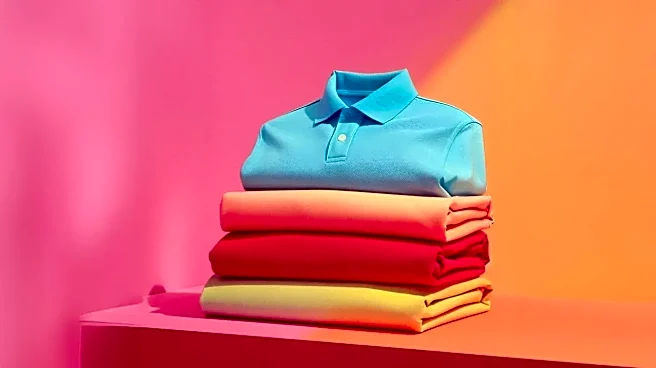
The polo shirt is intrinsically linked with tennis, making it an obvious and appropriate choice. Nothing says classic tennis style quite like a crisp polo. While its origins are on the court, today’s polo shirts have evolved far beyond the basic cotton piqué. Modern performance polos are engineered with technical fabrics, often polyester blends, designed to wick moisture away from the skin, keeping you dry and comfortable. Unlike linen, which absorbs moisture, these performance materials pull sweat to the surface of the fabric where it can evaporate quickly. This makes them highly effective for managing perspiration in the heat. A polo offers a more structured and athletic silhouette than a linen shirt. It’s a clean, preppy look that is virtually guaranteed to be appropriate, from the general admission grandstands to the more exclusive suite levels.
The Wrinkle in the Plan
The single biggest drawback to linen is its tendency to wrinkle. In fact, it's famous for it. For some, these creases are part of the fabric's natural charm, a sign of its relaxed character. For others, arriving with a perfectly pressed shirt only to have it look crumpled after an hour of sitting can be frustrating. You can mitigate this by choosing linen blends, hanging the shirt immediately after washing while still damp, or using a steamer. However, there's no escaping it entirely. This is where the polo shirt scores a major victory. Most performance polos are wrinkle-resistant, looking just as sharp at the end of a long day as they did at the beginning. If a low-maintenance, consistently neat appearance is your top priority, the polo is the undisputed champion.
The Style Scoreboard: What's Your Vibe?
The choice also comes down to the personal style you want to project. The U.S. Open is a major New York social event, and fashion is a big part of the experience. A linen shirt leans into a more sartorial, European-summer aesthetic. It pairs perfectly with tailored shorts or lightweight trousers and loafers for a look that is both comfortable and chic. A polo shirt projects a sportier, more traditionally American and preppy vibe. It’s clean, classic, and signals an appreciation for the athletic heritage of the event. Think of it this way: linen is for looking cool while staying cool, while the performance polo is engineered to keep you cool. Both are excellent options; they just speak slightly different style languages.
The Verdict: How to Make Your Choice
So, which shirt gets the ticket? It depends on your priorities. Choose the linen shirt if: Your main goal is maximum breathability and airflow. You appreciate a relaxed, sophisticated aesthetic. You don’t mind a few natural wrinkles as part of the look. Choose the polo shirt if: Managing sweat and staying dry is your top concern. You want a sharp, structured, and athletic look. You need a wrinkle-free option that looks neat all day long. Ultimately, you can't go wrong with either. Both are staples of smart summer style and are perfectly suited for a day of world-class tennis.